Beyond Chatbots: The Dawn of Fully Autonomous AI Agents in 2026

Beyond Chatbots: The Dawn of Fully Autonomous AI Agents in 2026
Welcome to February 2026. If the last two years were about the world "discovering" Generative AI, this year is definitively about Agentic Autonomy. We are no longer impressed by an AI that can write a poem; we are looking for AI that can build a backend, manage a supply chain, and act as a personalized consultant for every consumer on the planet.
 Illustration
Source: Dev.to AI
Illustration
Source: Dev.to AI
In today's deep dive, we’re analyzing three pivotal developments that illustrate where we stand in 2026: the rise of specialized shopping agents, the technical breakthrough of "hardcore" backend coding agents, and the sobering reality of digital infrastructure vulnerability.
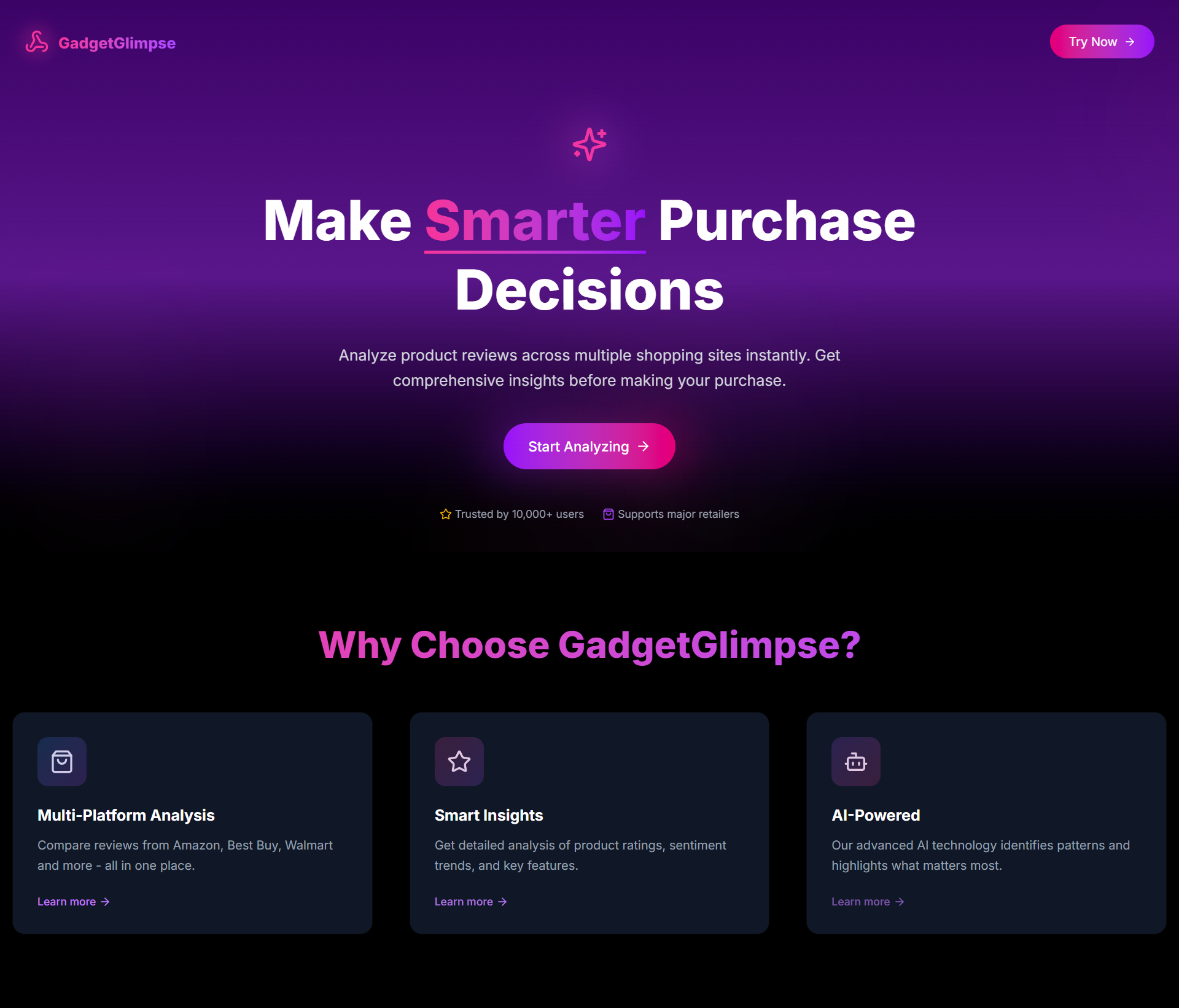
1. From Search Bars to Shopping Consultants: The GadgetGlimpse Era
For years, e-commerce was a game of SEO and filters. In 2026, that model is dying. Tools like GadgetGlimpse represent a fundamental shift in how consumers interact with the digital market.
Instead of scrolling through hundreds of tech products and reading conflicting reviews, users now utilize AI-powered assistants that provide "Product Insights" based on real-time data and specific user queries.
The Business Value for 2026:
For business owners, this means your product's visibility no longer depends on keyword stuffing, but on Agent Compatibility.
- Reduced Decision Fatigue: By offering personalized recommendations, these agents increase conversion rates by cutting through the noise.
- Trust as a Currency: In an era of AI-generated misinformation, platforms that provide objective, data-driven comparisons (like GadgetGlimpse) are winning the consumer's trust.
Actionable Takeaway: If you are in retail or tech, ensure your product data is structured for AI consumption. If an agent can't "read" your product's unique value proposition, it won't recommend it to the user.
2. Hardcore Automation: AutoBE and the Death of Manual Boilerplate
 Illustration
Source: The Verge AI
Illustration
Source: The Verge AI
The technical community is buzzing this month about AutoBE, an open-source project that is pushing the boundaries of what coding agents can do. Unlike the early LLMs of 2024 that often produced buggy code, AutoBE operates on a "Hardcore Function Calling" framework.
Why This Matters for Tech Professionals:
AutoBE doesn't just write text; it interacts with the compiler’s Abstract Syntax Tree (AST). This means the AI is thinking like a senior architect, not a copywriter. It uses extensive function calling in every phase of backend development, ensuring that the generated code is logically sound and fits perfectly within existing architectures.
- Precision over Prediction: We are moving away from probabilistic text generation toward deterministic logic execution.
- Speed of Innovation: Backend tasks that used to take weeks of manual coding and debugging are now being scaffolded in minutes, allowing human developers to focus on high-level system design.
Actionable Takeaway: Tech leads should pivot their teams toward mastering Agent Orchestration. Your value in 2026 isn't in writing the function; it's in defining the constraints and benchmarks that an agent like AutoBE must follow.
3. The Digital Fragility Factor: Lessons from Recent Blackouts
While we celebrate the heights of AI in 2026, we are also reminded of the fragility of the systems they run on. Recent reports on the prolonged internet blackout in Iran serve as a stark reminder. When the internet goes dark, the most sophisticated AI agent becomes unreachable.
For businesses relying heavily on cloud-based AI, this presents a significant risk. We’ve seen how information flow can be throttled, impacting both social movements and economic stability.
Building Resilient AI Systems in 2026:
- Edge AI Integration: To mitigate the risk of blackouts or connectivity issues, 2026 is the year businesses must look into deploying smaller, efficient AI models on-premises or at the "edge."
- Decentralization: Relying on a single point of failure (like a specific cloud provider or a national gateway) is no longer a viable strategy for global enterprises.
Strategic Outlook: How to Thrive in Late 2026
As we navigate the rest of this year, the message is clear: Autonomous agents are the new standard. Whether it's helping a customer buy the right laptop or helping a developer build a scalable API, the "human-in-the-loop" is moving from a "doer" to a "reviewer."
Your 2026 Checklist:
- Adopt Agentic Commerce: Don't wait for customers to find you; build interfaces that speak directly to their AI assistants.
- Benchmark Your Automation: Use tools like AutoBE’s benchmarks to evaluate your internal coding standards. If your AI isn't using function calling effectively, you're behind.
- Plan for Disruption: Always have a local or decentralized backup for your critical AI workflows. The digital world of 2026 is powerful, but it remains vulnerable.
At the portfolio of Abo-Elmakarem Shohoud, we specialize in bridge-building between these cutting-edge technologies and real-world business applications. The future isn't just coming; it’s being coded right now.
What’s your agent strategy for 2026? Let’s build it together.