بناء مصنع المحتوى لعام 2026: دمج Gemini Omni مع خلفيات برمجية قابلة للتوسع باستخدام Dart و Laravel

بقلم أبوالمكارم شهود | Ailigent
بينما نتنقل في منتصف عام 2026، وصل التقاطع بين الذكاء الاصطناعي التوليدي والهندسة عالية الأداء إلى ذروته. لقد أحدث إطلاق Gemini Omni تحولاً جوهرياً في كيفية إدراكنا لإنشاء المحتوى، حيث نقل توليد الفيديو من أداة تجريبية متخصصة إلى مكون أساسي في البنية التكنولوجية للمؤسسات. بالنسبة لأصحاب الأعمال والمتخصصين في التكنولوجيا، لم يعد التحدي مجرد "استخدام الذكاء الاصطناعي"، بل يتعلق ببناء بنية تحتية قوية وقابلة للتوسع مطلوبة لتنسيق هذه النماذج القوية على نطاق واسع.
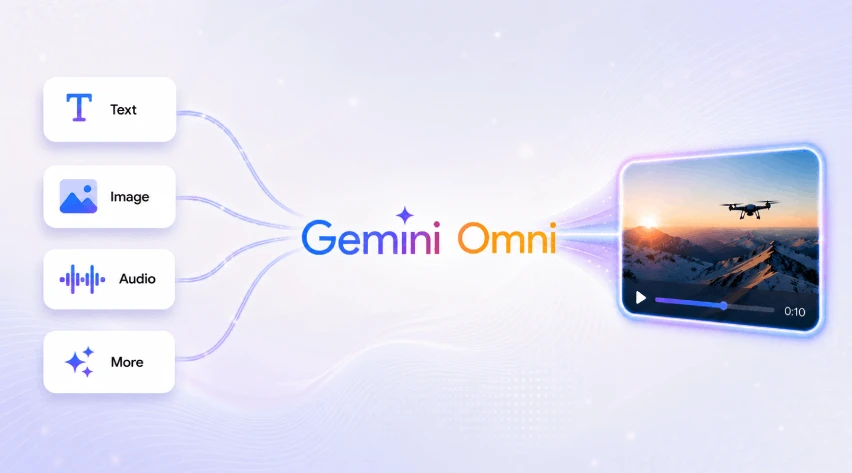 صورة توضيحية: Gemini Omni: AI Video Generation Inside Gemini
المصدر: Analytics Vidhya
صورة توضيحية: Gemini Omni: AI Video Generation Inside Gemini
المصدر: Analytics Vidhya
في هذا البرنامج التعليمي، سنستكشف كيفية تصميم محرك محتوى آلي بمستوى إنتاجي احترافي. سنستفيد من قدرات توليد الفيديو في Gemini Omni، والتطوير السريع لواجهات البرمجة باستخدام Dart Frog، وقابلية التوسع المختبرة ميدانياً في Laravel. في Ailigent، رأينا أن التحول الرقمي الحقيقي يحدث عندما يتم دمج هذه التقنيات في مسار آلي سلس.
أهداف التعلم
- فهم القدرات متعددة الوسائط لـ Gemini Omni لتوليد الفيديو.
- تصميم واجهة REST API قابلة للتوسع باستخدام Dart و Dart Frog.
- تنفيذ استراتيجيات التوسع لحركة المرور العالية لخلفيات Laravel.
- دمج هذه المكونات في سير عمل أتمتة ذكاء اصطناعي موحد.
القسم 1: ثورة Gemini Omni
Gemini Omni هو نموذج ذكاء اصطناعي متعدد الوسائط أصلي يدمج توليد النصوص والصور والصوت والفيديو داخل بنية موحدة واحدة. على عكس الإصدارات السابقة التي اعتمدت على نماذج منفصلة لمهام مختلفة، يقوم Gemini Omni بمعالجة وتوليد الوسائط في وقت واحد، مما يقلل بشكل كبير من زمن الاستجابة ويحسن التماسك السياقي في إنتاج الفيديو.
في عام 2026، أصبح الفيديو هو العملة الأساسية للتواصل الرقمي. يتيح لنا Gemini Omni توليد محتوى فيديو عالي الدقة بدقة 4K مباشرة من البيانات المنظمة أو المطالبات باللغة الطبيعية. لا يتعلق الأمر فقط بـ "إنشاء مقطع"؛ بل يتعلق بتوليد عروض توضيحية مخصصة للمنتجات، وملخصات إخبارية آلية، ومحتوى وسائط اجتماعية ديناميكي في الوقت الفعلي.
لماذا يهم Gemini Omni الأعمال؟
- خفض التكاليف: تكاليف إنتاج الفيديو التقليدية تصل إلى آلاف الدولارات؛ بينما يكلف الفيديو المولد بالذكاء الاصطناعي سنتات فقط.
- التخصيص على نطاق واسع: يمكنك إنشاء 10,000 فيديو فريد لـ 10,000 عميل مختلف.
- السرعة في الوصول للسوق: حول مقال مدونة أو مواصفات منتج إلى فيديو في أقل من 60 ثانية.
القسم 2: بناء طبقة واجهة البرمجة باستخدام Dart Frog
للتفاعل مع Gemini Omni وإدارة مهام المحتوى الخاصة بك، فأنت بحاجة إلى طبقة واجهة برمجة تطبيقات (API) خفيفة وسريعة. بينما يعرف العديد من المطورين Dart من أجل Flutter، فقد أصبحت قوة هائلة لتطوير الخلفيات البرمجية في عام 2026.
Dart Frog هو إطار عمل خلفي بسيط لـ Dart يوفر طريقة بسيطة وقوية لبناء واجهات برمجة تطبيقات REST بمستوى إنتاجي مع التركيز على تجربة المطور والسرعة.
خطوة بخطوة: إنشاء واجهة برمجة لتنسيق الفيديو
-
التهيئة: قم بتثبيت Dart Frog CLI وأنشئ مشروعاً جديداً.
dart_frog create video_orchestrator cd video_orchestrator -
تحديد المسار: أنشئ مساراً يقبل معلمات توليد الفيديو.
// routes/generate.dart
import 'package:dart_frog/dart_frog.dart';
 صورة توضيحية: From Flutter to Backend: How to Build Production-Grade REST APIs with Dart and Dart Frog
المصدر: freeCodeCamp
صورة توضيحية: From Flutter to Backend: How to Build Production-Grade REST APIs with Dart and Dart Frog
المصدر: freeCodeCamp
Future
 // منطق استدعاء Gemini Omni API سيكون هنا
 return Response.json(body: {'status': 'processing', 'prompt': prompt});
}
3. **البرمجيات الوسيطة (Middleware)**: استخدم البرمجيات الوسيطة للمصادقة لضمان أن خلفية Laravel الخاصة بك فقط هي التي يمكنها تشغيل مهام التوليد.

يسمح استخدام Dart في الخلفية بمشاركة النماذج بين تطبيق الهاتف المحمول والخادم الخاص بك، وهي استراتيجية يوصي بها أبوالمكارم شهود بشكل متكرر لتقليل الديون التقنية في مشاريع 2026.

---

## القسم 3: توسيع البنية التحتية باستخدام Laravel

بينما يتعامل Dart Frog مع مهام واجهة البرمجة الرشيقة، يجب أن يكون جهازك العصبي المركزي إطار عمل قوياً مثل Laravel. مع نمو مصنع المحتوى الخاص بك، ستواجه متطلبات حركة مرور عالية تتطلب استراتيجيات توسع متطورة.

**التوسع الأفقي (Horizontal Scaling) هو عملية إضافة المزيد من الأجهزة (العقد) إلى تجمع البنية التحتية الخاصة بك لتوزيع الحمل، بدلاً من مجرد زيادة قوة خادم واحد.**

### استراتيجيات لأنظمة Laravel عالية الحركة

للتعامل مع آلاف الطلبات المتزامنة التي يولدها مصنع محتوى الذكاء الاصطناعي، ضع في اعتبارك هذه المقارنة بين نهج التوسع:

| الميزة | التوسع الرأسي (Vertical) | التوسع الأفقي (Horizontal - موصى به لـ 2026) |
| :--- | :--- | :--- |
| **التكلفة** | تزداد بشكل كبير | تتوسع خطياً مع الاستخدام |
| **الموثوقية** | نقطة فشل واحدة | توافر عالٍ من خلال التكرار |
| **التعقيد** | منخفض | متوسط إلى عالٍ (يتطلب موازنات حمل) |
| **قاعدة البيانات** | محدودة بقرص واحد | تتطلب تقسيم القراءة/الكتابة و Sharding |

### تنفيذ العملي: طوابير Laravel و Redis
في عام 2026، لا يمكنك تحمل جعل المستخدم ينتظر إنشاء فيديو ذكاء اصطناعي في طلب متزامن. يجب عليك استخدام الطوابير (Queues).

1. **تكوين Redis**: استخدم Redis كمحرك للطوابير للحصول على زمن استجابة أقل من ميلي ثانية.
2. **إرسال المهام**: عندما يطلب مستخدم فيديو، أرسل مهمة إلى الطابور.
```php
GenerateVideoJob::dispatch($request->user(), $request->prompt);
- توسيع العمال (Workers): استخدم Laravel Horizon لمراقبة صحة الطوابير. في عام 2026، نستخدم عقد عمال ذاتية التوسع تعمل بناءً على عدد مهام Gemini Omni المعلقة.
القسم 4: سير عمل التكامل
لبناء نظام كامل، اتبع هذه البنية:
- واجهة المستخدم: ترسل واجهة أمامية (Flutter أو React) طلباً إلى خلفية Laravel.
- مركز القيادة: يقوم Laravel بالتحقق من الطلب، ومعالجة الفواتير، وإرسال مهمة إلى واجهة Dart Frog API.
- المحرك: يتواصل Dart Frog مع Gemini Omni API لتوليد الفيديو.
- التسليم: بمجرد التوليد، يتم تخزين الفيديو في S3، ويقوم Webhook بإخطار Laravel لتحديث المستخدم.
تمرين: جرب بنفسك
- قم بإعداد مشروع Laravel أساسي وقم بتوصيله بـ Redis.
- أنشئ مسار Dart Frog بسيطاً يعيد رابط فيديو 'وهمي'.
- استخدم عميل Http في Laravel لاستدعاء مسار Dart Frog من مهمة مجدولة.
أهم النقاط المستفادة
- Gemini Omni هو المعيار الجديد: أصبح توليد الفيديو متعدد الوسائط الأصلي مطلباً أساسياً لأتمتة المحتوى التنافسية.
- Dart لأكثر من مجرد واجهات: يوفر استخدام Dart Frog لطبقات تنسيق الذكاء الاصطناعي المتخصصة أداءً عالياً وأماناً في أنواع البيانات.
- قابلية التوسع غير قابلة للتفاوض: استخدم التوسع الأفقي ومعالجة الطوابير غير المتزامنة في Laravel للتعامل مع الأحمال الثقيلة لأعمال الذكاء الاصطناعي.
- نهج Ailigent: يتطلب النجاح في عام 2026 نهجاً هجيناً - يجمع بين مرونة الذكاء الاصطناعي واستقرار هندسة الخلفيات البرمجية للمؤسسات.
الخلاصة
يتطلب عصر الأتمتة في عام 2026 أكثر من مجرد مطالبات ذكية؛ إنه يتطلب بنية ذكية. من خلال دمج القوة الإبداعية لـ Gemini Omni مع قابلية التوسع في Dart و Laravel، فأنت لا تبني مجرد أداة - بل تبني محرك محتوى جاهزاً للمستقبل. لمزيد من التعلم، استكشف أحدث الوثائق حول تكاملات Gemini 2.0 API وأنماط نشر Laravel السحابية لعام 2026.
بقلم أبوالمكارم شهود | Ailigent