من بايثون إلى الإنتاج: بناء وتصور أسراب الوكلاء المستقلين في عام 2026

بقلم أبوالمكارم شهود | Ailigent
أهلاً بكم في فبراير 2026. لقد ولى زمن برامج الدردشة الآلية البسيطة. اليوم، تكمن الميزة التنافسية لأي عمل تجاري في قدرته على نشر "أسراب الوكلاء المستقلين" (Autonomous Agent Swarms) — وهي أنظمة ذكاء اصطناعي مترابطة لا تكتفي بالإجابة على الأسئلة، بل تنفذ سير عمل معقد، وتدير البنية التحتية، وتتواصل مع أصحاب المصلحة عبر وسائط بصرية عالية الدقة.
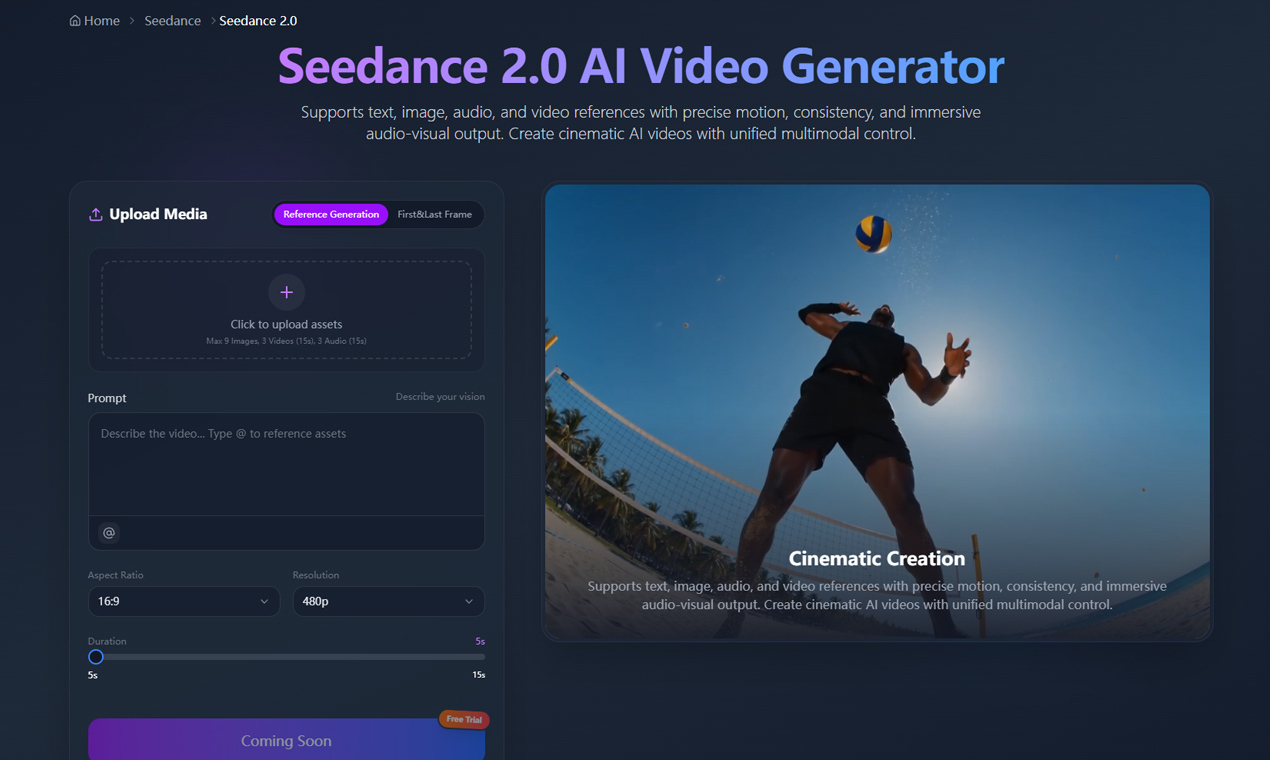 صورة توضيحية: How I Started Making Motion Videos Without Becoming a Keyframe Wizard
المصدر: Dev.to AI
صورة توضيحية: How I Started Making Motion Videos Without Becoming a Keyframe Wizard
المصدر: Dev.to AI
في هذا الدليل التعليمي، سنقوم بسد الفجوة بين هندسة الواجهة الخلفية (Python)، والبنية التحتية (Kubernetes)، والتواصل الإبداعي (Seedance 2.0). سواء كنت قائداً تقنياً أو صاحب عمل، فإن فهم هذا المسار أمر ضروري في الاقتصاد الرقمي لعام 2026.
أهداف التعلم
- فهم المنطق الوكيل: إتقان المبادئ الأساسية للوكلاء المستقلين المعتمدين على بايثون.
- التوسع باستخدام كوبرنيتيس: تعلم كيفية تنسيق أعباء عمل الذكاء الاصطناعي في بيئة إنتاجية.
- تصور النجاح: استخدام Seedance 2.0 لتحويل البيانات التقنية إلى فيديوهات متحركة احترافية دون الحاجة إلى ضبط الإطارات الرئيسية (Keyframes) يدوياً.
- التكامل: دمج هذه الأدوات في استراتيجية أتمتة أعمال متماسكة.
القسم 1: أساس الذكاء – بايثون والذكاء الاصطناعي الوكيل
في عام 2026، تظل بايثون هي الملكة غير المتوجة لتطوير الذكاء الاصطناعي. ومع ذلك، فقد تغيرت طريقة استخدامنا لها. لم نعد نكتب سكربتات ثابتة؛ بل نبني "وكلاء".
الذكاء الاصطناعي الوكيل (Agentic AI) هو نموذج يتم فيه تصميم أنظمة الذكاء الاصطناعي لمتابعة أهداف معقدة بشكل مستقل من خلال التفكير والتخطيط واستخدام الأدوات دون تدخل بشري مستمر.
لبناء وكيل، تحتاج إلى إطار عمل يدعم "التفكير والعمل" (ReAct). يتضمن ذلك حلقة يلاحظ فيها الوكيل بيئته، ويفكر في الخطوة التالية، وينفذ الإجراء. في عام 2026، نستخدم مكتبات متقدمة تجعل هذه العملية سلسة.
خطوة بخطوة: بناء وكيل بحث بسيط
إليك نموذج برمجية بلغة بايثون لوكيل من عصر 2026 يراقب اتجاهات السوق:
import ailigent_agents as aa # إطار عمل Ailigent الخاص لعام 2026
from ailigent_tools import WebSearch, DataAnalyzer

# تهيئة الوكيل بشخصية وأدوات محددة
research_agent = aa.Agent(
    role='محلل سوق',
    goal='تحديد الاتجاهات الناشئة في توليد فيديو الذكاء الاصطناعي للربع الأول من 2026',
    backstory='محلل خبير في Ailigent يركز على الوسائط التوليدية.',
    tools=[WebSearch(), DataAnalyzer()],
    verbose=True
)

# تحديد المهمة
task = aa.Task(
    description='ابحث عن آخر التحديثات حول Seedance 2.0 ولخص تأثيرها على الأعمال.',
    agent=research_agent
)

# تنفيذ سير العمل
result = aa.Crew(agents=[research_agent], tasks=[task]).kickoff()
print(result)
جرب بنفسك: قم بتغيير الهدف (goal) في السكربت أعلاه للبحث عن منافسين محددين في صناعتك. المفتاح هو تحديد "دور" و"خلفية درامية" واضحة لتقييد سلوك الوكيل.
القسم 2: توسيع نطاق الذكاء – كوبرنيتيس لأسراب الذكاء الاصطناعي
 صورة توضيحية: Learn Python and Build Autonomous Agents
المصدر: freeCodeCamp
صورة توضيحية: Learn Python and Build Autonomous Agents
المصدر: freeCodeCamp
بمجرد حصولك على وكيل وظيفي، التحدي التالي هو النطاق. تشغيل وكيل واحد على جهازك المحمول أمر سهل؛ لكن تشغيل 500 وكيل للتعامل مع دعم العملاء أو تحسين سلسلة التوريد يتطلب تنسيقاً قوياً.
كوبرنيتيس (Kubernetes) هو منصة مفتوحة المصدر لتنسيق الحاويات تقوم بأتمتة نشر وتوسيع وإدارة التطبيقات المعبأة في حاويات.
في عام 2026، أصبح كوبرنيتيس "أصيلاً للذكاء الاصطناعي" (AI-Native). نحن نستخدمه لإدارة موارد وحدات معالجة الرسومات (GPU) ديناميكياً. إذا احتاج سرب الوكلاء فجأة إلى مزيد من قوة المعالجة لتحليل مجموعة بيانات ضخمة، يقوم كوبرنيتيس بتوسيع النطاق عبر المجموعة (Cluster) على الفور.
لماذا يعد كوبرنيتيس ضرورياً لأصحاب الأعمال في 2026
| الميزة | الخادم التقليدي | كوبرنيتيس (2026) |
|---|---|---|
| القابلية للتوسع | يدوي وبطيء | تلقائي وفوري |
| الموثوقية | نقطة فشل واحدة | إصلاح ذاتي (يعيد تشغيل الوكلاء الفاشلين) |
| التحكم في التكلفة | دفع مقابل وقت الخمول | تخصيص ديناميكي للموارد |
| النشر | مخاطرة بتوقف الخدمة | تحديثات تدريجية دون توقف |
في Ailigent، نؤكد أن الذكاء الاصطناعي الجاهز للإنتاج لا يتعلق فقط بالنموذج؛ بل يتعلق بالبنية التحتية. بدون كوبرنيتيس، وكلاؤك المستقلون هم مجرد ألعاب تجريبية. معه، هم قوة عاملة رقمية قوية.
القسم 3: إيصال القيمة – Seedance 2.0 وفيديوهات الحركة بالذكاء الاصطناعي
غالباً ما يفشل التميز التقني في الحصول على التمويل أو القبول لأن أصحاب المصلحة لا يمكنهم "رؤية" التقدم. في الماضي، كان إنشاء الرسوم المتحركة يتطلب "خبراء إطارات رئيسية" يقضون أسابيع في برامج مثل Adobe After Effects.
توليد الفيديو بالذكاء الاصطناعي (AI Video Generation) هو تقنية تستخدم نماذج توليدية لإنشاء أو تعديل محتوى الفيديو من الأوصاف النصية أو الصور الثابتة.
لقد أحدث Seedance 2.0 ثورة في هذا المجال في عام 2026. فهو يسمح للمهندسين وأصحاب الأعمال بتحويل تقارير البيانات المعقدة من وكلاء بايثون إلى فيديوهات متحركة سينمائية.
سير عمل Seedance 2.0
- إدخال البيانات: قم بتغذية مخرجات وكيل أبحاث بايثون في Seedance.
- اختيار النمط: اختر قالباً مثل "تقني-مؤسسي" أو "أتمتة مستقبلية".
- الأوامر النصية: بدلاً من الإطارات اليدوية، استخدم لغة طبيعية: "أنشئ مخططاً شريطياً ثلاثي الأبعاد يظهر النمو، ثم انتقل إلى منظر مدينة مستقبلي يمثل النطاق العالمي."
- الرندرة: يقوم الذكاء الاصطناعي بتوليد الحركة والإضاءة والانتقالات في دقائق.
هذه القدرة غيرت قواعد اللعبة في عمل أبوالمكارم شهود الاستشاري، حيث تتيح لنا عرض معماريات الأتمتة المعقدة للعملاء بطريقة مفهومة وجذابة بصرياً.
القسم 4: تمرين عملي – المسار المتكامل
لنجمع كل شيء معاً. تخيل أنك تريد إنشاء فيديو أسبوعي لـ "ذكاء السوق" لمجلس إدارتك.
- الوكيل: يقوم وكيل بايثون الخاص بك (الذي يعمل على كوبرنيتيس) بمسح الويب وتحليل البيانات.
- الملخص: ينتج الوكيل تقرير JSON منظماً لأهم 5 اتجاهات.
- الفيديو: تقوم بتمرير هذا التقرير إلى Seedance 2.0. يفسر الذكاء الاصطناعي الاتجاهات وينشئ فيديو متحركاً لمدة 60 ثانية يسلط الضوء على النتائج.
- التسليم: يقوم وكيل ثانٍ "وكيل اتصالات" بإرسال الفيديو عبر البريد الإلكتروني إلى المجلس.
تمرين: صغ أمراً نصياً من 3 خطوات لـ Seedance 2.0 يصف كيف ستصور نمو شركتك خلال الربع الأخير. ركز على الحركة: "قم بالتقريب على..."، "انتقل من... إلى..."، "حرك النص...".
الوجبات الرئيسية
- بايثون هي العقل: استخدمها لبناء وكلاء يمكنهم التفكير واستخدام الأدوات، وليس فقط معالجة البيانات.
- كوبرنيتيس هو العضلات: يوفر البنية التحتية اللازمة لتوسيع عمليات الذكاء الاصطناعي من سكربت واحد إلى سرب على مستوى المؤسسة.
- Seedance 2.0 هو الصوت: استخدم فيديو الحركة المدعوم بالذكاء الاصطناعي لسد فجوة التواصل بين الفرق التقنية وأصحاب المصلحة غير التقنيين.
- التكامل المستمر: في عام 2026، الشركات الأكثر نجاحاً هي تلك التي تؤتمت الدورة كاملة من جمع البيانات إلى التقارير المرئية.
الخطوات التالية
للتعمق أكثر في هذه التقنيات، أوصي باستكشاف أحدث شهادات 2026 على freeCodeCamp بخصوص "هندسة منصات الذكاء الاصطناعي". بالإضافة إلى ذلك، ابقَ على اطلاع بمدونة Ailigent لمتابعة مقالنا القادم حول "مجموعات كوبرنيتيس المحسنة لوحدات معالجة الرسومات".
الأتمتة لم تعد تتعلق بفعل الأشياء بشكل أسرع؛ بل بفعلها بشكل أذكى. ابدأ في بناء مستقبلك المستقل اليوم.