كيفية بناء وكلاء ذكاء اصطناعي جاهزين للإنتاج على مدار الساعة في القطاعات التنظيمية لعام 2026

بقلم أبوالمكارم شهود | Ailigent
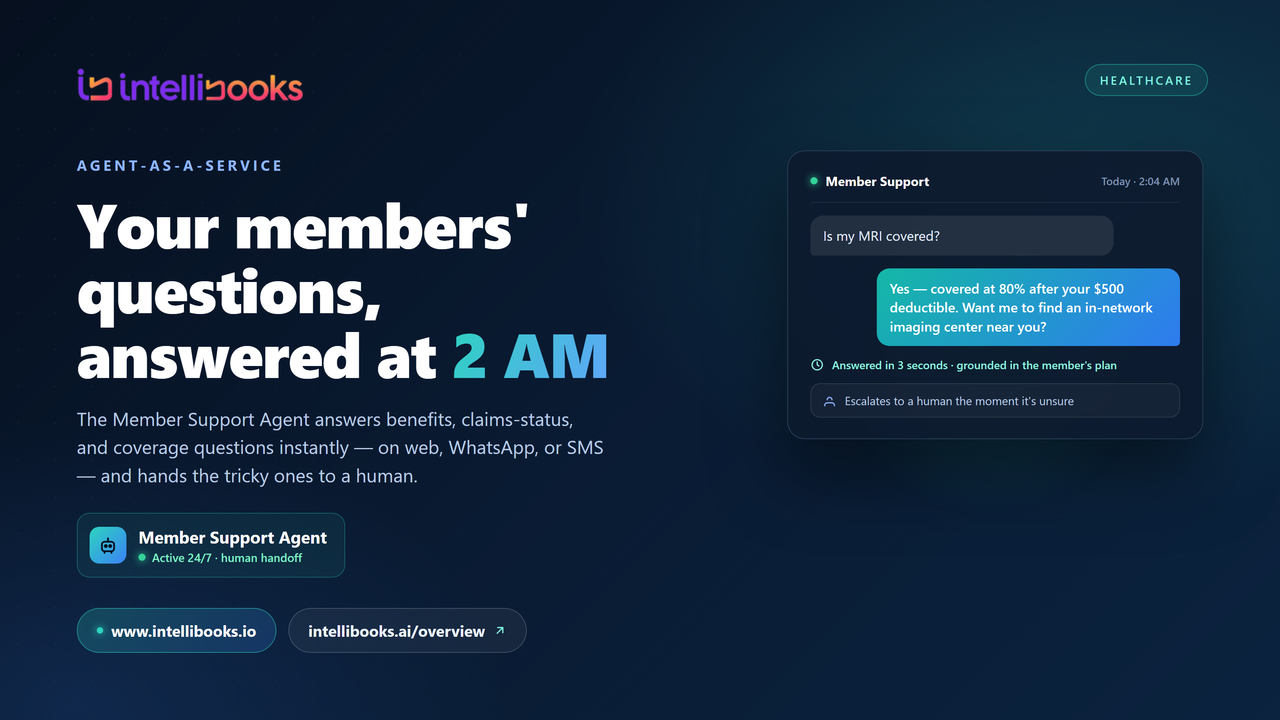 صورة توضيحية: Building a member-support agent that's safe to leave on at 2 AM (the "know when to stop" problem)
المصدر: Dev.to AI
صورة توضيحية: Building a member-support agent that's safe to leave on at 2 AM (the "know when to stop" problem)
المصدر: Dev.to AI
في يوليو 2026، تلاشت تماماً بهجة العروض التجريبية لنماذج اللغة الكبيرة (LLMs). اليوم، تكمن الميزة التنافسية لأصحاب الأعمال وقادة التكنولوجيا في الموثوقية على مستوى الإنتاج. بالنسبة لقطاعات مثل الرعاية الصحية والتمويل، التحدي الأساسي ليس صنع ذكاء اصطناعي يمكنه التحدث، بل صنع ذكاء اصطناعي يعرف متى يتوقف، وماذا يخفي، وكيف يظل مرتبطاً بالواقع دون إشراف بشري في الثانية صباحاً.
في Ailigent، شهدنا تحولاً هائلاً هذا العام نحو معماريات الذكاء الاصطناعي اللامركزية والمحمية. وبحلول عام 2026، انتقلت أكثر من 80% من المؤسسات الخاضعة للتنظيم بعيداً عن المطالبات العامة المستندة إلى السحابة نحو أنظمة محلية متخصصة ومعززة بالاسترجاع. يوفر هذا الدليل خارطة طريق شاملة لبناء وكيل دعم أعضاء يتمتع بالاستقلالية والقيمة على مدار الساعة مع تلبية أصعب المتطلبات التنظيمية.
فهم المفاهيم الأساسية
قبل الغوص في الخطوات التقنية، دعونا نحدد ركائز الذكاء الاصطناعي المنظم الحديث:
- الذكاء الاصطناعي الوكيل (Agentic AI) هو نموذج حيث تعمل نماذج الذكاء الاصطناعي كوكلاء مستقلين قادرين على استخدام الأدوات، والوصول إلى قواعد البيانات، واتباع سير عمل معقد لتحقيق هدف محدد دون تدخل بشري مستمر.
- توليد مخرجات معزز بالاسترجاع (RAG) هو تقنية تعزز دقة النماذج من خلال إجبار النموذج على استرجاع وثائق محددة وموثوقة قبل توليد الإجابة، مما يضمن استناد الاستجابات إلى الحقائق بدلاً من بيانات التدريب.
- بوابة الذكاء الاصطناعي (AI Gateway) هي طبقة إدارة تقع بين تطبيقاتك ونماذج اللغة، وتوفر تحكماً مركزياً في الأمن، والتكلفة، وتحديد معدل الاستخدام، وتسجيل الامتثال.
المتطلبات الأساسية
لمتابعة هذا الدليل، ستحتاج إلى:
- الأجهزة: خادم محلي أو نسخة سحابية آمنة مع ذاكرة VRAM لا تقل عن 24 جيجابايت.
- البيئة: تثبيت Docker على جهازك.
- البيانات: مجموعة بيانات منقحة لوثائق سياسة شركتك (بصيغة PDF أو Markdown).
- الأطر البرمجية: Ollama لخدمة النماذج محلياً وحل بوابة مثل Bifrost.
الخطوة 1: نشر البنية التحتية المحلية لسيادة البيانات
في عام 2026، يعد إرسال المعلومات الصحية المحمية (PHI) أو السجلات المالية الحساسة إلى واجهة برمجة تطبيقات سحابية عامة مسؤولية قانونية كبيرة. الخطوة الأولى هي استضافة نموذجك محلياً باستخدام Ollama ونماذج متخصصة مثل MedGemma.
التنفيذ:
- قم بتثبيت Ollama على خادمك الآمن.
- اسحب النموذج المتخصص:
ollama pull medgemma:latest. - تأكد من أن النموذج يعمل داخل شبكتك الخاصة فقط.
 صورة توضيحية: Best AI Gateways for Regulated Financial Services
المصدر: Dev.to AI
صورة توضيحية: Best AI Gateways for Regulated Financial Services
المصدر: Dev.to AI
من خلال إبقاء "عقل" وكيلك خلف جدار الحماية الخاص بك، فإنك تقضي على مخاطر تسرب البيانات وتضمن الامتثال لقوانين حماية البيانات لعام 2026.
الخطوة 2: تنفيذ بوابة ذكاء اصطناعي عالية الأمان
بوابة الذكاء الاصطناعي ضرورية للخدمات المنظمة. فهي تعمل كـ "حارس أمن" لكل طلب. تسمح لك أدوات مثل Bifrost بمراقبة التكاليف، والأهم من ذلك، حجب المعلومات الحساسة في الوقت الفعلي.
على سبيل المثال، تضمن هذه الطبقة أنه حتى لو أدخل المستخدم رقم ضمانه الاجتماعي بالخطأ، فإن النموذج لن يراه أبداً، ويتم تسجيل التفاعل لأغراض التدقيق—وهو مطلب غير قابل للتفاوض للمؤسسات المالية في 2026.
الخطوة 3: تصميم خط إنتاج RAG "يعرف متى يتوقف"
أكبر وضع للفشل في وكلاء الدعم هو "الهلوسة الواثقة". لمنع ذلك، نستخدم نهج RAG الهجين الذي يجمع بين البحث الشعاعي (Vector) والبحث بالكلمات المفتاحية.
سير العمل:
- الاستيعاب: تقسيم المستندات إلى قطع صغيرة مع بيانات وصفية.
- الاسترجاع: عند طرح سؤال، يتم الاستعلام في قاعدة بيانات الشعاع (مثل Qdrant).
- التأريض (Grounding): استخدام مطالبة تمنع النموذج تماماً من استخدام المعرفة الخارجية.
- المطالبة: "أنت مساعد. استخدم فقط السياق المقدم للإجابة. إذا لم تكن الإجابة موجودة، قل 'أنا آسف، لا يمكنني العثور على هذه المعلومات في خطتك المحددة'."
الخطوة 4: بناء نظام حجب البيانات الحساسة
ينصح أبوالمكارم شهود وفريق Ailigent باستراتيجية حجب مزدوجة:
- حجب المدخلات: قبل وصول الطلب إلى محرك RAG، يقوم نموذج صغير وسريع بالتعرف على الكيانات المسماة (NER) واستبدال الأسماء بأسماء مستعارة.
- إعادة تحديد الهوية في المخرجات: بعد توليد الاستجابة الآمنة، تقوم البوابة بإعادة الأسماء الأصلية ليراها المستخدم فقط.
الخطوة 5: مقارنة استراتيجيات النشر في 2026
| الميزة | النماذج السحابية العامة (2026) | الذكاء الاصطناعي الوكيل المحلي/الهجين |
|---|---|---|
| خصوصية البيانات | متوسطة | قصوى (البيانات لا تغادر خادمك) |
| زمن الاستجابة | متغير (يعتمد على الإنترنت) | منخفض (شبكة محلية) |
| الامتثال | يتطلب اتفاقيات معقدة | ممتثل بطبيعته |
| مخاطر الهلوسة | عالية (معرفة عامة) | منخفضة (تأريض صارم) |
قسم استكشاف الأخطاء وإصلاحها
- النموذج بطيء جداً: تأكد من استخدام نماذج مكممة (Quantized). في 2026، توفر كمية 4-بت أداءً قريباً من الأصلي مع استهلاك أقل للذاكرة بنسبة 50%.
- اقتباسات غير دقيقة: يحدث هذا عادةً عندما تكون قطع البيانات صغيرة جداً. قم بزيادة حجم التداخل (Overlap) لتوفير سياق أكبر للمسترجع.
- فشل البوابة: قم دائماً بتنفيذ نمط "قاطع الدائرة". إذا لم تستجب البوابة، يجب أن يتحول النظام فوراً إلى وكيل بشري بدلاً من الفشل الصامت.
النقاط الرئيسية
- التأريض إلزامي: لا تسمح أبداً للذكاء الاصطناعي بالإجابة من بيانات تدريبه في القطاعات المنظمة.
- المحلي هو السحاب الجديد: لاستقرار العمل 24/7 في الرعاية الصحية، الاستضافة المحلية هي المسار الأكثر أماناً في 2026.
- البوابات لا غنى عنها: استخدم بوابة ذكاء اصطناعي للتعامل مع حجب البيانات والتدقيق لحماية عملك من المسؤولية القانونية.
- التدخل البشري للحالات الحرجة: صمم وكيلك لاكتشاف الكلمات المفتاحية عالية التوتر وتصعيدها فوراً للبشر.
الخلاصة
بناء وكيل دعم أعضاء آمن للعمل في الثانية صباحاً لم يعد حلماً مستقبلياً—إنه ضرورة في عام 2026. من خلال الجمع بين النشر المحلي، وتأريض RAG الصارم، وبوابات الذكاء الاصطناعي القوية، يمكن للشركات تقديم قيمة فورية دون المساومة على الثقة. في Ailigent، نؤمن بأن مستقبل الذكاء الاصطناعي لا يقتصر على كونه ذكياً فحسب، بل في كونه آمناً بشكل موثوق.
فيديوهات ذات صلة
Production-Ready RAG Tutorial 2026 | Build & Deploy Local and Enterprise RAG Systems
القناة: Micro Learning
DEPLOY Fully Private + Local AI RAG Agents (Step by Step)
القناة: The AI Automators