كيفية بناء منظومة تسويق مدعومة بالذكاء الاصطناعي في عام 2026: دليل خطوة بخطوة

بقلم أبوالمكارم شهود | Ailigent
مقدمة: التحول التسويقي في عام 2026
 صورة توضيحية: Best Digital Marketing Agency in Noida: What a Future-Ready Business Needs
المصدر: Dev.to AI
صورة توضيحية: Best Digital Marketing Agency in Noida: What a Future-Ready Business Needs
المصدر: Dev.to AI
بينما نتنقل في النصف الثاني من عام 2026، تغير تعريف "الأعمال الناجحة" بشكل جذري. لم يعد التسويق الرقمي مجرد جهد معزول للنشر على وسائل التواصل الاجتماعي أو التحسين لمحرك بحث واحد. بدلاً من ذلك، تطور إلى نظام بيئي متعدد الأبعاد حيث يتفاعل العملاء عبر محركات البحث، وخرائط جوجل، وروبوتات الدردشة المدعومة بالذكاء الاصطناعي، ومنصات الفيديو الغامرة.
للبقاء في المنافسة، يجب على الشركات الانتقال من مجرد "التواجد الرقمي" إلى "التكامل مع الذكاء الاصطناعي". يتطلب هذا التحول مزيجًا من الثقافة البيانية، والأتمتة الاستراتيجية، ومجموعة الأدوات الصحيحة. في هذا الدليل، سأخذك عبر الخطوات الأساسية لبناء محرك تسويق جاهز للمستقبل يستفيد من نفس الاستراتيجيات رفيعة المستوى التي تستخدمها أفضل وكالات التسويق الرقمي في نويدا والمراكز التقنية العالمية.
المتطلبات الأساسية للمحترف المدعوم بالذكاء الاصطناعي
قبل الغوص في التنفيذ التقني، يجب عليك التأكد من أن أساسك متين. لست بحاجة لأن تكون عالم بيانات، لكنك تحتاج إلى عقلية "البيانات أولاً".
- الثقافة البيانية الأساسية: فهم الفرق بين المقاييس الشكلية (الإعجابات/المشاركات) والبيانات القابلة للتنفيذ (معدل التحويل، القيمة الدائمة للعميل).
- الوصول إلى بيئة ذكاء اصطناعي: اشتراكات في نماذج لغوية كبيرة متقدمة (LLMs) مثل GPT-5 أو Claude 4 (معايير عام 2026 الحالية).
- مركز بيانات مركزي: مكان تعيش فيه بياناتك التسويقية، مثل نظام CRM أو قاعدة بيانات تعتمد على SQL.
الخطوة 1: إتقان مهارات البيانات الأساسية
في عام 2026، يكون مدير التسويق الذي لا يستطيع الاستعلام عن بياناته الخاصة في وضع ضعيف للغاية. لا ينبغي أن تضطر لانتظار مطور ليخبرك لماذا انخفضت الإيرادات في منطقة معينة.
SQL هي لغة برمجة متخصصة مصممة لإدارة البيانات الموجودة في نظام إدارة قواعد البيانات العلائقية. يتيح لك إتقان أساسيات SQL استخراج تقارير مخصصة قد تفتقدها لوحات المعلومات القياسية.
المهارات الرئيسية التي يجب التركيز عليها:
- استعلامات SQL: تعلم
SELECTوJOINوGROUP BYلتحليل سلوك العملاء. - تصوير البيانات: استخدام أدوات مثل Looker Studio أو Power BI لتحويل الأرقام إلى قصص.
- التحليلات التنبؤية: استخدام الذكاء الاصطناعي للتنبؤ بمبيعات الشهر القادم بناءً على الاتجاهات التاريخية.
الخطوة 2: اختيار وتنفيذ أدوات تعلم الذكاء الاصطناعي
أحد أكبر التحديات هذا العام هو "إرهاق الأدوات". مع توفر آلاف أدوات الذكاء الاصطناعي، غالبًا ما يقضي المحترفون وقتًا في البحث عن الأدوات أكثر من استخدامها. لتجنب ذلك، ركز على مجموعة مختارة من أدوات معايير 2026.
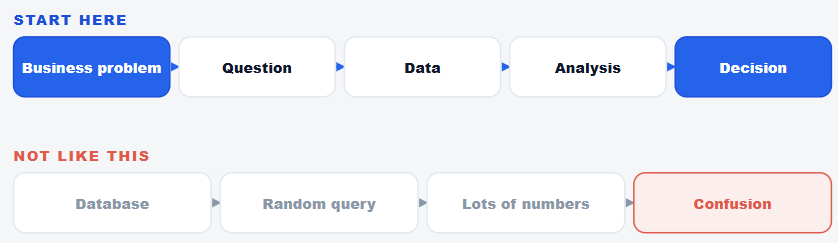 صورة توضيحية: 5 Data Skills Every Business Professional Should Learn
المصدر: Dev.to AI
صورة توضيحية: 5 Data Skills Every Business Professional Should Learn
المصدر: Dev.to AI
| فئة الأداة | الأداة الموصى بها (2026) | حالة الاستخدام التجاري الأساسية |
|---|---|---|
| البحث والتلخيص | Perplexity Pro | تحليل السوق في الوقت الفعلي وتتبع المنافسين |
| أتمتة المحتوى | وكلاء Ailigent المخصصون | إنشاء محتوى طويل متوافق مع العلامة التجارية على نطاق واسع |
| تحليل البيانات | أداة تحليل Claude | تفسير جداول البيانات المعقدة بلغة طبيعية |
| الاستراتيجية البصرية | Midjourney v7 | إنشاء إعلانات عالية التحويل ونماذج واجهة المستخدم |
| أتمتة سير العمل | Make.com / Zapier | ربط CRM والبريد الإلكتروني ووكلاء الذكاء الاصطناعي في تدفق واحد |
الخطوة 3: تنفيذ استراتيجية عابرة للقنوات
تحتاج الأعمال الجاهزة للمستقبل إلى استراتيجية منسقة. إذا وجدك عميل على خرائط جوجل، فيجب تعزيز تجربته بسلاسة عندما يرى إعلانك على LinkedIn أو يتحدث إلى روبوت الدردشة الخاص بك.
يؤكد أبوالمكارم شهود أن "نموذج نويدا" - الذي يركز على الرؤية المكثفة عبر نقاط اتصال متعددة - أصبح الآن المعيار العالمي. هذا يعني أن استراتيجيتك يجب أن تغطي:
- تجربة البحث التوليدي (SGE): التحسين لكيفية إجابة الذكاء الاصطناعي على الأسئلة، وليس فقط الكلمات الرئيسية.
- تكامل الدليل الاجتماعي: سحب المراجعات ذات الـ 5 نجوم تلقائيًا إلى نصوص إعلاناتك عبر API.
- التخصيص الفائق: استخدام الذكاء الاصطناعي لإرسال رسائل بريد إلكتروني تشير إلى تفاعل العميل المحدد الأخير مع موقعك.
الخطوة 4: أتمتة سير العمل (الإعداد التقني)
دعونا نلقي نظرة على مثال عملي لكيفية أتمتة عملية تأهيل العملاء المحتملين. بدلاً من مراجعة كل عميل محتمل يدويًا، يمكننا استخدام نص برمجي بلغة Python متكامل مع نموذج لغوي كبير لتقييم العملاء بناءً على بيانات SQL الخاصة بهم.
# مثال لأتمتة تقييم العملاء المحتملين لعام 2026
import openai
import sqlite3

def score_lead(lead_data):
    prompt = f"حلل هذا العميل المحتمل: {lead_data}. قيمه من 1-10 بناءً على احتمالية التحويل."
    response = openai.chat.completions.create(
        model="gpt-5-turbo",
        messages=[{"role": "user", "content": prompt}]
    )
    return response.choices[0].message.content

# الاتصال بقاعدة بيانات التسويق
conn = sqlite3.connect('marketing_2026.db')
cursor = conn.cursor()
leads = cursor.execute("SELECT * FROM new_leads WHERE processed = 0").fetchall()

for lead in leads:
    score = score_lead(lead)
    print(f"ID العميل {lead[0]} التقييم: {score}")
الذكاء الاصطناعي الوكيل (Agentic AI) هو نموذج تعمل فيه نماذج الذكاء الاصطناعي كوكلاء مستقلين قادرين على التخطيط وتنفيذ مهام متعددة الخطوات لتحقيق هدف ما. من خلال نشر هؤلاء الوكلاء داخل إطار عمل Ailigent الخاص بك، يمكنك أتمتة المهام المتكررة مثل تقييم العملاء، وإعداد التقارير، وحتى التواصل الأولي مع العملاء.
استكشاف الأخطاء وإصلاحها في قضايا الذكاء الاصطناعي والبيانات
- المشكلة: هلوسة الذكاء الاصطناعي في التقارير.
- الحل: استخدم دائمًا "التوليد المعزز بالاسترجاع" (RAG). قم بتغذية الذكاء الاصطناعي ببيانات SQL الفعلية بدلاً من مطالبته بـ "تخمين" الاتجاهات.
- المشكلة: صوامع البيانات (Data Silos).
- الحل: تأكد من توصيل جميع الأدوات عبر واجهة برمجة تطبيقات مركزية (API). إذا كانت إعلانات فيسبوك لا تتحدث مع نظام CRM الخاص بك، فإن بياناتك غير مكتملة.
- المشكلة: تكاليف الأدوات المرتفعة.
- الحل: الدمج. استخدم نموذجًا لغويًا قويًا واحدًا (مثل GPT-5) لمهام متعددة بدلاً من دفع ثمن 10 اشتراكات ذكاء اصطناعي متخصصة.
النقاط الرئيسية المستفادة
- البيانات هي النفط الجديد، لكن SQL هي المثقاب: لا يمكنك الاستفادة من الذكاء الاصطناعي بشكل فعال بدون بيانات نظيفة وسهلة الوصول. تعلم أساسيات إدارة البيانات للبقاء في المقدمة.
- تجنب إرهاق الأدوات: اختر من 3 إلى 5 أدوات ذكاء اصطناعي أساسية تحل مشكلات محددة بدلاً من مطاردة كل إطلاق جديد في عام 2026.
- التواجد عبر القنوات إلزامي: يجب أن يكون عملك مرئيًا حيث يبحث الذكاء الاصطناعي - يجب أن تعمل الخرائط و SGE والمنصات الاجتماعية في انسجام تام.
- الأتمتة أو التبخر: استخدم تدفقات العمل الوكيلة للتعامل مع 80% من مهام التسويق المتكررة، مما يسمح لفريقك البشري بالتركيز على 20% من الاستراتيجية رفيعة المستوى.
الخلاصة
في عام 2026، الجسر بين شركة ناشئة متعثرة ورائد في السوق هو القدرة على تجميع البيانات وتحويلها إلى أفعال باستخدام الذكاء الاصطناعي. باتباع الخطوات الموضحة في هذا الدليل والاستعانة بخبرات منصات مثل Ailigent، يمكنك تحويل عملك إلى قوة جاهزة للمستقبل. النجاح اليوم لا يتعلق بالعمل بجهد أكبر؛ بل يتعلق ببناء أنظمة أذكى.
فيديوهات ذات صلة
How I'd Start an AI Marketing Agency in 2026 (For Complete Beginners)
القناة: Adam Erhart
AI Automation Full Course for Beginners 2026
القناة: Mikey No Code