كيفية بناء مسار توظيف مدعوم بالذكاء الاصطناعي: دليل قادة الهندسة لعام 2026

بقلم أبوالمكارم شهود | Ailigent
في عام 2026، اختفى التمييز التقليدي بين عمليات الموارد البشرية وسير العمل الهندسي فعلياً. بالنسبة للشركات التكنولوجية سريعة النمو، لم يعد التوظيف مجرد "مشكلة أشخاص"؛ بل أصبح اختناقاً تقنياً يؤثر على سرعة الهندسة، وخرائط طريق المنتجات، والتنافسية العامة في السوق. عندما يقضي كبار المهندسين 40% من أسبوعهم في إجراء مقابلات مع مرشحين لا يستوفون المعايير التقنية، فإن التكلفة لا تقتصر فقط على راتب مسؤول التوظيف، بل تتمثل في تأخر إطلاق الميزات التي تحدد مستقبل الشركة.
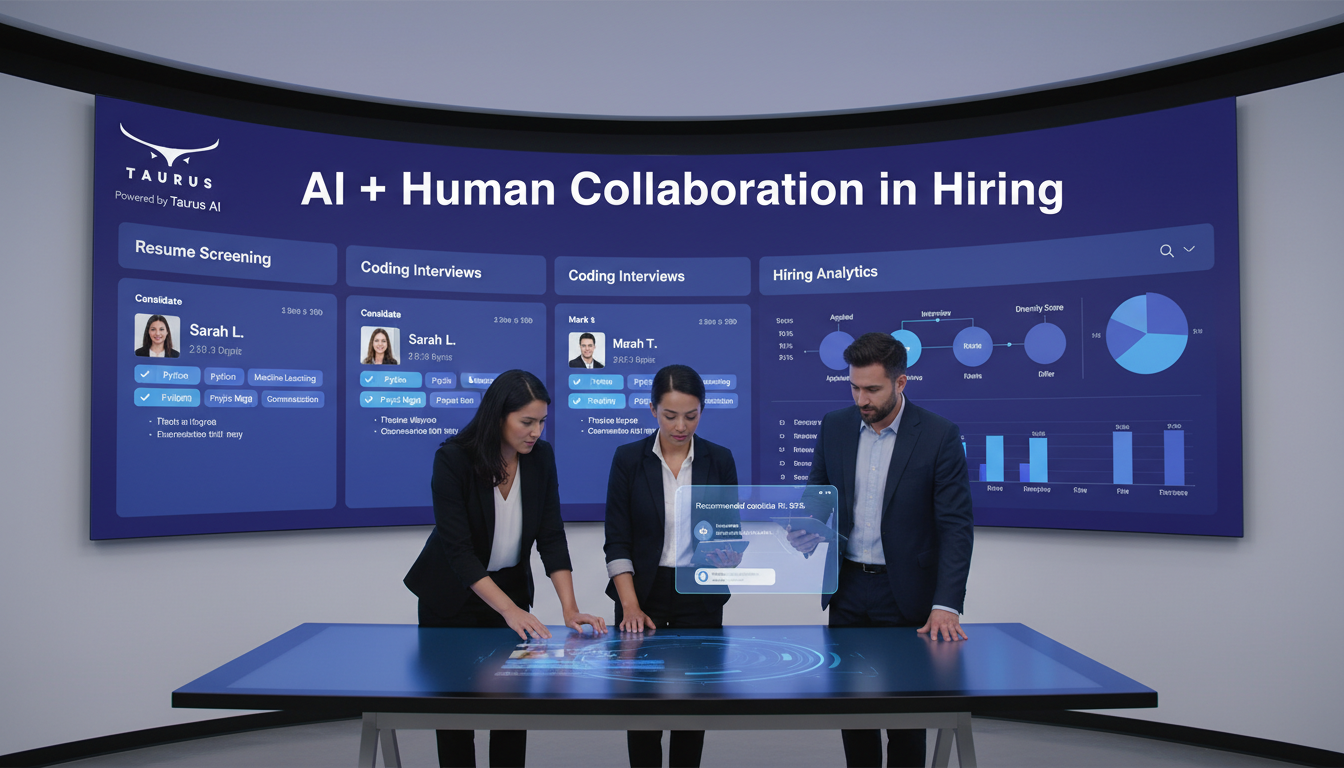 صورة توضيحية: Why AI Recruitment Pipelines Are Becoming Part of Modern Engineering Workflows
المصدر: Dev.to AI
صورة توضيحية: Why AI Recruitment Pipelines Are Becoming Part of Modern Engineering Workflows
المصدر: Dev.to AI
في Ailigent، لاحظنا تحولاً هائلاً هذا العام نحو "التوظيف كبرمجية" (Recruitment as Code). يتضمن ذلك التعامل مع مسار المواهب تماماً مثل مسار CI/CD. تماماً كما نقوم بأتمتة الاختبار والنشر، نقوم الآن بأتمتة البحث عن المصادر، والفحص، والتقييم السياقي للمرشحين باستخدام الذكاء الاصطناعي الوكيل (Agentic AI). سيأخذك هذا الدليل في رحلة لبناء "مساعد ذكاء التوظيف"—وهي أداة تتجاوز مجرد مطابقة الكلمات الرئيسية لتقديم رؤى عميقة مدعومة بالنماذج اللغوية الكبيرة (LLMs) حول إمكانات المرشحين.
سياق عام 2026: لماذا الأتمتة أمر لا بد منه
يتميز سوق العمل في عام 2026 بحجم هائل من الطلبات المدعومة بأدوات البحث عن وظائف المعززة بالذكاء الاصطناعي. نظرًا لأن المرشحين يستخدمون أدوات مؤتمتة للتقدم لمئات الوظائف، فإن الفرق الهندسية تغرق في السير الذاتية. أصبح الفحص اليدوي الآن مستحيلاً على نطاق واسع.
الذكاء الاصطناعي الوكيل (Agentic AI) هو نموذج يتم فيه تصميم أنظمة الذكاء الاصطناعي لتعمل كوكلاء مستقلين يمكنهم التخطيط واستخدام الأدوات واتخاذ القرارات لتحقيق أهداف معقدة. في التوظيف، يعني هذا وكيلاً لا يكتفي بالبحث عن كلمات مثل 'React' أو 'Python'، بل يفهم الفروق الدقيقة في مساهمة المرشح في مشروع مفتوح المصدر أو تعقيد البنية التحتية التي يصفها في معرض أعماله.
المتطلبات الأساسية
قبل البدء، تأكد من توفر ما يلي:
- تثبيت Python 3.11+.
- إطار عمل LangChain: لتنظيم منطق النموذج اللغوي.
- Streamlit: لبناء واجهة لوحة التحكم.
- مفتاح API لـ OpenAI أو Anthropic: نوصي بـ GPT-4o أو Claude 3.5 Sonnet للمهام التي تتطلب تفكيراً عالياً.
- قاعدة بيانات متجهة (اختياري): ChromaDB أو Pinecone لذاكرة المرشحين طويلة المدى.
الخطوة 1: تحديد بنية مسار العمل
يجب أن ينتقل مسار التوظيف الحديث عبر ثلاث مراحل متميزة: الاستيعاب، التحليل السياقي، والتقييم. على عكس الفلاتر التي كانت مستخدمة في عام 2024، يستخدم مسارنا لعام 2026 توليد النصوص المعزز بالاسترداد (RAG) لمقارنة بيانات المرشح مع الديون التقنية المحددة للفريق ومتطلبات المشروع.
RAG هي تقنية تمنح النموذج اللغوي الكبير القدرة على الوصول إلى مصادر بيانات خارجية—مثل وثائق شركتك الخاصة أو أوصاف الوظائف المحددة—لتقديم استجابات أكثر دقة ووعياً بالسياق.
| الميزة | أنظمة تتبع المتقدمين التقليدية (2024) | مسار التوظيف بالذكاء الاصطناعي (2026) |
|---|---|---|
| منطق التصفية | بحث الكلمات الرئيسية البسيط | المعنى الدلالي والاستنتاج |
| تجربة المرشح | ردود تلقائية عامة | ملاحظات تقنية مخصصة |
| مشاركة الهندسة | مراجعة يدوية للسيرة الذاتية | مراجعة ملخصات ناتجة عن الذكاء الاصطناعي |
| دعم القرار | نجاح/رسوب ثنائي | تقييم مرجح للكفاءات |
الخطوة 2: إعداد محرك استيعاب المستندات
أولاً، نحتاج إلى معالجة السير الذاتية (PDF أو Markdown) وتحويلها إلى تنسيق يمكن للنموذج اللغوي التفكير فيه. سنستخدم PyPDFLoader من LangChain ومقسم نصوص للحفاظ على السياق.
from langchain_community.document_loaders import PyPDFLoader
from langchain.text_splitter import RecursiveCharacterTextSplitter

def process_resume(file_path):
    loader = PyPDFLoader(file_path)
    docs = loader.load()

    # تقسيم النص إلى أجزاء تحافظ على المعنى الدلالي
    text_splitter = RecursiveCharacterTextSplitter(chunk_size=1000, chunk_overlap=100)
    chunks = text_splitter.split_documents(docs)
    return chunks
 صورة توضيحية: The Ultimate Web Developer Job Search Handbook
المصدر: freeCodeCamp
صورة توضيحية: The Ultimate Web Developer Job Search Handbook
المصدر: freeCodeCamp
الخطوة 3: بناء وكيل "التوافق التقني"
الآن، نحدد شخصية الوكيل. نريده أن يعمل كمدير هندسي خبير. مهمته هي البحث عن "الإشارات" بدلاً من "الكلمات الرئيسية".
from langchain_core.prompts import ChatPromptTemplate
from langchain_openai import ChatOpenAI

llm = ChatOpenAI(model="gpt-4o", temperature=0)

system_prompt = """
أنت خبير توظيف تقني ومهندس أول في Ailigent.
مهمتك هي تقييم المرشح بناءً على السيرة الذاتية المقدمة ووصف الوظيفة.
ابحث عن:
1. دليل على حل المشكلات المعقدة.
2. التفكير على مستوى البنية التحتية.
3. التوافق مع مجموعتنا التقنية لعام 2026 (Rust, Distributed Systems, Agentic AI).
لا تكتفِ بسرد المهارات؛ اشرح 'السبب' وراء تقييمك.
"""

prompt = ChatPromptTemplate.from_messages([
    ("system", system_prompt),
    ("human", "وصف الوظيفة: {jd}\n\nالسيرة الذاتية للمرشح: {resume_text}")
])

chain = prompt | llm
الخطوة 4: إنشاء لوحة تحكم Streamlit
لجعل هذا متاحاً لمسؤولي التوظيف غير التقنيين أو قادة الهندسة المشغولين، نغلف المنطق في واجهة Streamlit.
import streamlit as st

st.title("مركز Ailigent لذكاء المواهب 2026")

job_desc = st.text_area("أدخل وصف الوظيفة")
uploaded_file = st.file_uploader("رفع السيرة الذاتية (PDF)", type="pdf")

if st.button("تحليل المرشح"):
    with st.spinner('الذكاء الاصطناعي يحلل العمق التقني...'):
        # (المنطق لتشغيل السلسلة المحددة في الخطوة 3)
        result = chain.invoke({"jd": job_desc, "resume_text": "...النص المستخرج..."})
        st.write("### نتائج التحليل")
        st.markdown(result.content)
الخطوة 5: التكامل مع سير العمل الهندسي
الخطوة الأخيرة هي ضمان تدفق هذه البيانات إلى أدوات فريقك الحالية. في عام 2026، لا نكتفي بإرسال رسائل البريد الإلكتروني. نقوم بدفع تحليل الذكاء الاصطناعي مباشرة إلى Slack أو GitHub Issue. يضمن ذلك أن يرى القائد الهندسي "درجة التوافق التقني" (مثل 8.5/10) بجانب ملخص لأهم مشاريع المرشح.
حل المشكلات الشائعة
- الهلوسة في الخبرة: أحياناً 'تخترع' النماذج سنوات من الخبرة. الحل: استخدم تقنية few-shot prompting حيث تقدم للنموذج 2-3 أمثلة لسير ذاتية تم تحليلها بشكل صحيح.
- حدود معدل واجهة برمجة التطبيقات (API): مع حجم التوظيف العالي، قد تصل إلى الحدود. الحل: استخدم نموذجاً محلياً (مثل Llama 3.1) للفحص الأولي الخام واستخدم GPT-4o فقط لأفضل 10% من المرشحين.
- حدود نافذة السياق: السير الذاتية الطويلة قد تتجاوز الحدود. الحل: استخدم نهج RAG المذكور في الخطوة 1 لاسترداد الأجزاء الأكثر صلة فقط.
النقاط الرئيسية المستفادة
- عامل التوظيف كعملية هندسية: توقف عن اعتبار التوظيف وظيفة منفصلة للموارد البشرية. في عام 2026، هو مسار عمل يعتمد على البيانات ويتطلب ملكية تقنية.
- التركيز على الإشارة لا الضجيج: استخدم الذكاء الاصطناعي الوكيل للبحث عن أنماط التفكير المعماري بدلاً من مجرد التحقق من لغات برمجة معينة.
- استفد من الأطر المفتوحة المصدر: تتيح لك أدوات مثل LangChain بناء ذكاء توظيف خاص يناسب ثقافتك بشكل أفضل من أي نظام جاهز.
- التحسين من أجل السرعة: الهدف الأساسي للذكاء الاصطناعي في التوظيف هو توفير وقت المهندسين الكبار ليركزوا على البناء وليس فقط المقابلات.
الخلاصة: من خلال بناء مسار توظيف مدعوم بالذكاء الاصطناعي، فإنك تضمن نمو فريقك بمواهب عالية الجودة دون التضحية بالسرعة الهندسية التي يدعو إليها أبوالمكارم شهود وفريق Ailigent في القيادة التقنية الحديثة.
فيديوهات ذات صلة
LangGraph in One Video - Recruitment Agency Workflow | Beginner Friendly Explanation with Code
القناة: Keerti Purswani
Build and Deploy Your Own Custom Cover Letter Writer with LangChain and Streamlit!
القناة: Christian Magnus Ingul