كيفية الانتقال من استرجاع المعلومات (RAG) إلى سير العمل المعتمد على الوكلاء: دليل 2026 لأتمتة الأعمال المستقلة

بقلم أبوالمكارم شهود | Ailigent
التحول من الاسترجاع إلى التنفيذ في عام 2026
 صورة توضيحية: 2026 AI Trends: Why "Agentic Workflows" are Replacing Simple RAG
المصدر: Dev.to AI
صورة توضيحية: 2026 AI Trends: Why "Agentic Workflows" are Replacing Simple RAG
المصدر: Dev.to AI
بينما نبحر في شهر مارس من عام 2026، نجد أن مشهد الذكاء الاصطناعي قد تغير بشكل جذري. في عام 2025، كان العالم التقني مفتونًا بتقنية "توليد الاسترجاع المعزز" (RAG). كانت وسيلة ثورية لربط نماذج اللغات الكبيرة (LLMs) بالبيانات الخاصة. ومع ذلك، ومع تطور احتياجات الأعمال هذا العام، كشفت تقنية RAG البسيطة عن محدوديتها الأساسية: إنها سلبية بطبيعتها. نظام RAG ينتظر سؤالاً، يجد مستندًا، ثم يلخصه. في اقتصاد 2026 سريع الوتيرة، لم يعد الانتظار خيارًا.
في Ailigent، نشهد هجرة جماعية نحو سير العمل المعتمد على الوكلاء (Agentic Workflows). لم يعد الهدف مجرد العثور على المعلومات؛ بل اتخاذ إجراءات بناءً عليها. تخيل نظامًا لا يكتفي بالإجابة على سؤال "ما هو معدل التوقف عن استخدام خدماتنا في الربع الثالث؟" بل يقوم بدلاً من ذلك باكتشاف التوقف، وتحليل سجلات الخادم، وتحديد شريحة العملاء المعرضة للخطر، وصياغة حملة احتفاظ مخصصة بشكل مستقل. هذا هو جوهر القوة في التحول نحو الوكلاء.
تعريفات للعصر الحديث
الذكاء الاصطناعي المعتمد على الوكلاء (Agentic AI) هو نموذج تمتلك فيه أنظمة الذكاء الاصطناعي الاستقلالية للتفكير والتخطيط وتنفيذ مهام متعددة الخطوات من خلال التفاعل مع الأدوات والبيئات الخارجية بدلاً من مجرد توليد نصوص بناءً على مطالبة.
توليد الاسترجاع المعزز (RAG) هو بنية تحتية تعمل على تحسين مخرجات نموذج اللغة الكبير من خلال الرجوع إلى قاعدة معرفية محددة خارج بيانات التدريب الخاصة به قبل إنشاء استجابة، مما يضمن الدقة الواقعية.
WebSockets هو بروتوكول اتصال يوفر قنوات اتصال كاملة الازدواج عبر اتصال TCP واحد، مما يسمح بتبادل البيانات في الوقت الفعلي بين العميل والخادم—وهو مكون حيوي لمراقبة الوكلاء المستقلين.
لماذا لم يعد RAG كافيًا؟
في عام 2026، تجاوز تعقيد البيانات قدرات طرق البحث والاسترجاع البسيطة. تظهر المعايير الحديثة أنه بينما يمكن لـ RAG تحسين الدقة بنسبة تصل إلى 40% مقارنة بالنماذج الأساسية، فإن سير العمل المعتمد على الوكلاء يحسن معدلات إتمام المهام بنسبة تزيد عن 85% في بيئات العمل المعقدة.
| الميزة | RAG البسيط (معيار 2025) | سير العمل المعتمد على الوكلاء (معيار 2026) |
|---|---|---|
| الطبيعة | سلبي / تفاعلي | نشط / استباقي |
| القدرة | استرجاع المعلومات | تنفيذ المهام وحل المشكلات |
| حلقة التغذية الراجعة | دورة واحدة | حلقات تفكير متعددة الدورات |
| استخدام الأدوات | يقتصر على قواعد بيانات المتجهات | تكامل كامل مع واجهات البرمجة والبرامج |
| سرعة تحقيق القيمة | متوسطة | عالية (مع التطوير المدعوم بالذكاء الاصطناعي) |
المتطلبات الأساسية لبناء أنظمة الوكلاء
قبل البدء في هذا التحول، تأكد من توفر ما يلي:
- Python 3.12+: المعيار القياسي لتطوير الذكاء الاصطناعي في 2026.
- FastAPI: لنقاط نهاية API عالية الأداء وغير متزامنة.
- LangGraph أو CrewAI: أطر عمل مصممة خصيصًا لتنسيق الوكلاء المتعددين.
- الوصول إلى قاعدة بيانات متجهة: (مثل Pinecone أو Weaviate) للحفاظ على "ذاكرة" وكلائك.
- مفاتيح API: الوصول إلى نماذج التفكير المتقدمة مثل GPT-5 أو Claude 4.
الخطوة 1: مراجعة خط إنتاج RAG الحالي لديك
الخطوة الأولى هي تحديد أين يفشل نظامك الحالي. هل يفشل لأنه لا يستطيع العثور على البيانات، أم لأنه لا يعرف ماذا يفعل بالبيانات بمجرد العثور عليها؟ يقترح أبوالمكارم شهود أن تقوم الشركات برسم خرائط لأكثر مسارات "المعلومات إلى الإجراء" شيوعًا لديها.
 صورة توضيحية: How I Built a 4D Application Platform in 28 Days with an AI Team
المصدر: Dev.to AI
صورة توضيحية: How I Built a 4D Application Platform in 28 Days with an AI Team
المصدر: Dev.to AI
إذا كانت عمليتك الحالية تتضمن قيام إنسان بقراءة مخرجات RAG ثم تنفيذ مهمة في برنامج آخر (مثل Jira أو Salesforce)، فهذا هو المرشح المثالي للتحول إلى سير عمل معتمد على الوكلاء.
الخطوة 2: تصميم حلقة التفكير (نمط ReAct)
يحتاج الوكيل إلى عقل يمكنه التخطيط. نمط "التفكير + العمل" (ReAct) يسمح للوكيل بالتفكير فيما يجب القيام به، واتخاذ إجراء، ومراقبة النتيجة، ثم التكرار.
بدلاً من مطالبة واحدة، أنت تقوم ببناء حلقة تكرارية.
# مثال مفاهيمي لحلقة الوكيل في FastAPI
from fastapi import FastAPI, WebSocket

app = FastAPI()

@app.websocket("/ws/agent")
async def agent_socket(websocket: WebSocket):
    await websocket.accept()
    while True:
        data = await websocket.receive_text()
        # المنطق: فكر -> نفذ -> لاحظ
        plan = await agent_brain.plan(data)
        await websocket.send_text(f"التفكير الحالي: {plan}")

        result = await tool_executor.run(plan.action)
        await websocket.send_text(f"نتيجة الإجراء: {result}")
الخطوة 3: دمج التغذية الراجعة الفورية باستخدام WebSockets
أحد أكبر التحديات في عام 2026 هو "قلق الوكيل"—الخوف من أن يقوم نظام مستقل بشيء خاطئ في الخلفية. لحل هذه المشكلة، نستخدم WebSockets لبث عملية تفكير الوكيل في الوقت الفعلي.
تسمح WebSockets للخادم بدفع التحديثات إلى واجهة المستخدم فور حدوثها. هذا يعني أن صاحب العمل يمكنه رؤية الوكيل وهو "يبحث في قاعدة البيانات"، ثم "يحسب المخاطر"، ثم "يجهز البريد الإلكتروني" في الوقت الفعلي، مما يوفر طبقة أساسية من الشفافية.
الخطوة 4: التوسع باستخدام التطوير المدعوم بالذكاء الاصطناعي
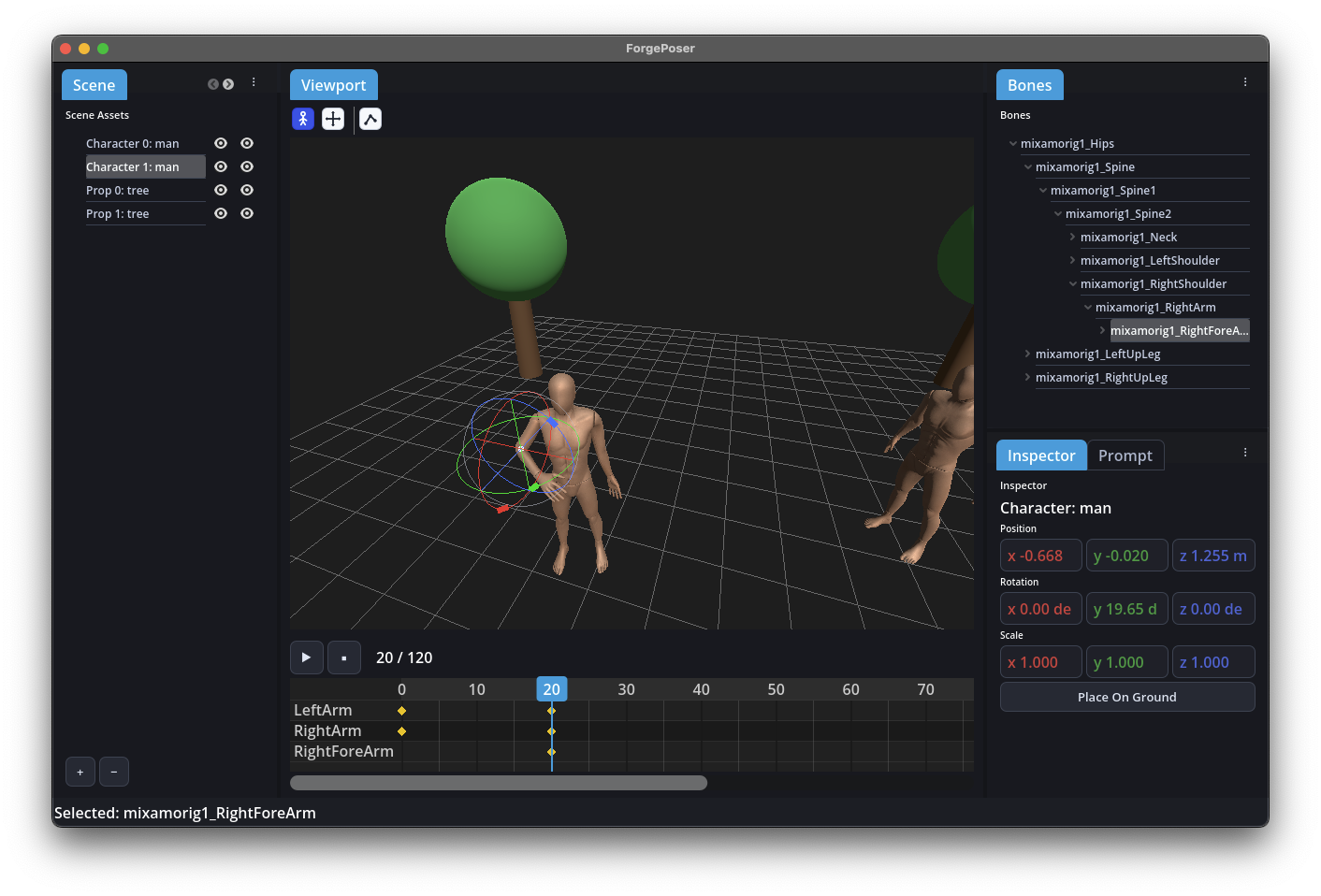
كان بناء هذه الأنظمة المعقدة يستغرق شهورًا. ومع ذلك، كما ظهر في تطوير منصة Forge 4D مؤخرًا (التي تم فيها ترحيل 41,000 سطر من الأكواد في أقل من شهر)، فإننا نستخدم الآن فرق ذكاء اصطناعي لبناء أنظمة ذكاء اصطناعي.
في Ailigent، نستخدم وكلاء برمجة متخصصين لإنشاء الهياكل الأساسية لموصلات FastAPI ومعالجات WebSocket الخاصة بك. هذا يقلل من وقت التطوير بنسبة 70%، مما يسمح بنقل النموذج الأولي إلى مرحلة الإنتاج في غضون أسابيع.
الخطوة 5: وضع الضوابط والتدخل البشري
يجب أن يكون لسير عمل الوكيل حدود. في عام 2026، نقوم بتنفيذ "نقاط المقاطعة". على سبيل المثال، إذا قرر الوكيل إنفاق أكثر من 500 دولار على إعلان مؤتمت، يتوقف سير العمل ويرسل إشعارًا عبر WebSocket إلى لوحة تحكم بشرية للموافقة.
استكشاف الأخطاء وإصلاحها
- الحلقات اللانهائية: أحيانًا يعلق الوكلاء في حلقة تفكير مفرغة. الحل: تنفيذ عداد
max_iterations(عادة 5-10) لفرض فشل آمن أو تدخل بشري. - زمن الاستجابة: يستغرق تفكير الوكيل وقتًا أطول من البحث البسيط. الحل: استخدم البرمجة غير المتزامنة في Python وحافظ على تفاعل المستخدم عبر تحديثات الحالة اللحظية.
- عدم دقة الأدوات: قد يتوهم الوكيل كيفية استخدام واجهة برمجة التطبيقات. الحل: قدم نماذج Pydantic صارمة لكل أداة يُسمح للوكيل باستخدامها.
أهم النقاط المستفادة
- من السلبية إلى الاستباقية: RAG هو مجرد مكتبة؛ أما الذكاء الاصطناعي المعتمد على الوكلاء فهو موظف. الانتقال يعني التحول من "الإجابة" إلى "التنفيذ".
- الشفافية أمر بالغ الأهمية: استخدم WebSockets لتوفير نافذة على عملية تفكير الذكاء الاصطناعي، مما يقلل من تأثير "الصندوق الأسود" ويبني الثقة.
- السرعة هي الميزة التنافسية الجديدة: يتيح الاستفادة من التطوير المدعوم بالذكاء الاصطناعي لشركات مثل Ailigent نشر أنظمة مستقلة معقدة في وقت قياسي.
- الإنسان في الحلقة: لا تقم أبدًا بأتمتة القرارات عالية المخاطر بدون خطوة تحقق. استخدم نقاط المقاطعة لإبقاء البشر مسيطرين على النتيجة النهائية.
الخلاصة
في عام 2026، تنتمي الميزة التنافسية لأولئك الذين لا يملكون أفضل البيانات فحسب، بل يملكون الوكلاء الأكثر قدرة على العمل بناءً على تلك البيانات. ابدأ بتحديد مهمة يدوية واحدة يقوم بها فريقك يوميًا بعد قراءة تقرير، وحولها إلى أول سير عمل معتمد على الوكلاء اليوم.
فيديوهات ذات صلة
What is RAG ? #codebasics #data #datascience #ai #dataanalyst
القناة: codebasics
FastAPI in 30 seconds #python #programming #softwareengineer
القناة: Code In a Jiffy