احتراف الذكاء الاصطناعي الوكيل في 2026: دليل شامل حول LangGraph وسير العمل المستقل

بقلم أبوالمكارم شهود | Ailigent
مقدمة: عصر الوكيل المستقل
 صورة توضيحية: Agentic AI using LangGraph – Build AI Agents & Automate Workflows
المصدر: freeCodeCamp
صورة توضيحية: Agentic AI using LangGraph – Build AI Agents & Automate Workflows
المصدر: freeCodeCamp
بينما نتنقل في منتصف عام 2026، تغير مشهد الذكاء الاصطناعي بشكل جذري. لقد ولت أيام التفاعلات البسيطة ذات الأمر الواحد مع نماذج اللغات الكبيرة (LLMs). لقد دخلنا عصر الذكاء الاصطناعي الوكيلي (Agentic AI)، حيث لا تكتفي الأنظمة بالإجابة على الأسئلة فحسب، بل تنفذ مهامًا معقدة، وتفكر في العقبات، وتدير سير العمل بشكل مستقل. بالنسبة لأصحاب الأعمال والمتخصصين في التكنولوجيا، لم يعد فهم كيفية بناء ونشر هؤلاء الوكلاء رفاهية؛ بل أصبح ضرورة تنافسية.
الذكاء الاصطناعي الوكيلي هو نموذج تستخدم فيه أنظمة الذكاء الاصطناعي التفكير والذاكرة والأدوات لإنجاز أهداف معقدة متعددة الخطوات بشكل مستقل. على عكس برامج الدردشة التقليدية، يمكن لهؤلاء الوكلاء إدراك بيئتهم واتخاذ القرارات واتخاذ الإجراءات لتحقيق هدف محدد. في هذا البرنامج التعليمي، سنستكشف كيفية بناء هذه الأنظمة المتطورة باستخدام LangGraph، وهو الإطار القياسي في الصناعة لإنشاء تطبيقات متعددة الوكلاء تعتمد على الحالة.
أهداف التعلم
بحلول نهاية هذا البرنامج التعليمي، ستكون قادرًا على:
- فهم المكونات الأساسية السبعة لخط أنابيب وكيلي جاهز للإنتاج.
- تحديد الفرق بين سلاسل LLM القياسية والرسوم البيانية الوكيلية الدورية.
- بناء "وكيل أبحاث استثمار" وظيفي باستخدام LangGraph للتنقل في الأسواق المتقلبة.
- تنفيذ معالجة الأخطاء ونقاط تفتيش "الإنسان في الحلقة" (Human-in-the-Loop) في سير عملك.
الركائز السبع للذكاء الاصطناعي الوكيلي الجاهز للإنتاج
بناء نموذج تجريبي أمر سهل؛ أما بناء نظام يعمل بموثوقية في بيئة عمل فهو أمر صعب. وفقًا لمعايير الصناعة الحالية في عام 2026، يتطلب الوكيل الجاهز للإنتاج سبعة مكونات هيكلية متميزة:
- معالجة المدخلات: تنظيف وهيكلة البيانات الخام قبل وصولها إلى النموذج.
- التخطيط: تقسيم الهدف المعقد (مثل "تحليل انهيار سوق الكريبتو في 2026") إلى مهام فرعية قابلة للإدارة.
- الذاكرة (قصيرة وطويلة المدى): الحفاظ على السياق عبر الخطوات والتعلم من التفاعلات الماضية.
- استخدام الأدوات: القدرة على التعامل مع واجهات برمجة التطبيقات الخارجية (APIs) وقواعد البيانات ومتصفحات الويب.
- التفكير: محرك المنطق الذي يقرر الأداة التي سيتم استخدامها ومتى.
- توليد المخرجات: تنسيق النتيجة النهائية للمستخدم النهائي.
- التقييم والحواجز الوقائية: التأكد من بقاء الوكيل ضمن الحدود الأخلاقية والتشغيلية.
في Ailigent، نؤكد أن مرحلتي "التخطيط" و"الذاكرة" هما المكان الذي يفشل فيه معظم المطورين. بدون نظام قوي لإدارة الحالة، غالبًا ما يقع الوكلاء في حلقات لا نهائية أو يفقدون مسار الهدف الأصلي.
فهم LangGraph
LangGraph هي مكتبة لبناء تطبيقات متعددة الوكلاء ذات حالة مع نماذج اللغات الكبيرة من خلال تمثيل سير العمل كرسوم بيانية.
في تسلسل LangChain القياسي، تتدفق البيانات في اتجاه واحد. ومع ذلك، نادرًا ما تكون المهام في العالم الحقيقي خطية. فهي تتطلب حلقات ومراجعات ومنطقًا شرطيًا. يسمح لنا LangGraph بتعريف العقد (الوظائف) والحواف (المسارات بين الوظائف)، مما يمكن الوكيل من العودة إلى خطوة سابقة إذا كانت مخرجات الأداة غير مرضية.
مقارنة: تطبيقات LLM التقليدية مقابل الأنظمة الوكيلية (معايير 2026)
| الميزة | سلسلة LLM التقليدية | سير العمل الوكيلي (LangGraph) |
|---|---|---|
| تدفق المنطق | خطي / متسلسل | دوري / يعتمد على الرسم البياني |
| تصحيح الأخطاء | إعادة توجيه يدوية | تصحيح ذاتي مستقل |
| إدارة الحالة | محدودة بالنافذة الحالية | مستمرة عبر المهام المعقدة |
| التفاعل مع الأدوات | ترتيب محدد مسبقًا | اختيار ديناميكي بناءً على الحاجة |
| الاستقلالية | منخفضة (بقيادة المستخدم) | عالية (بقيادة الهدف) |
دليل خطوة بخطوة: بناء وكيل أبحاث سوق الكريبتو
في عام 2026، لا يزال سوق العملات المشفرة بيئة عالية التقلب. يحتاج المستثمرون إلى طرق أذكى للتفكير في الاستثمار، خاصة خلال التصحيحات الحادة. دعونا نبني وكيلاً يؤتمت عملية البحث.
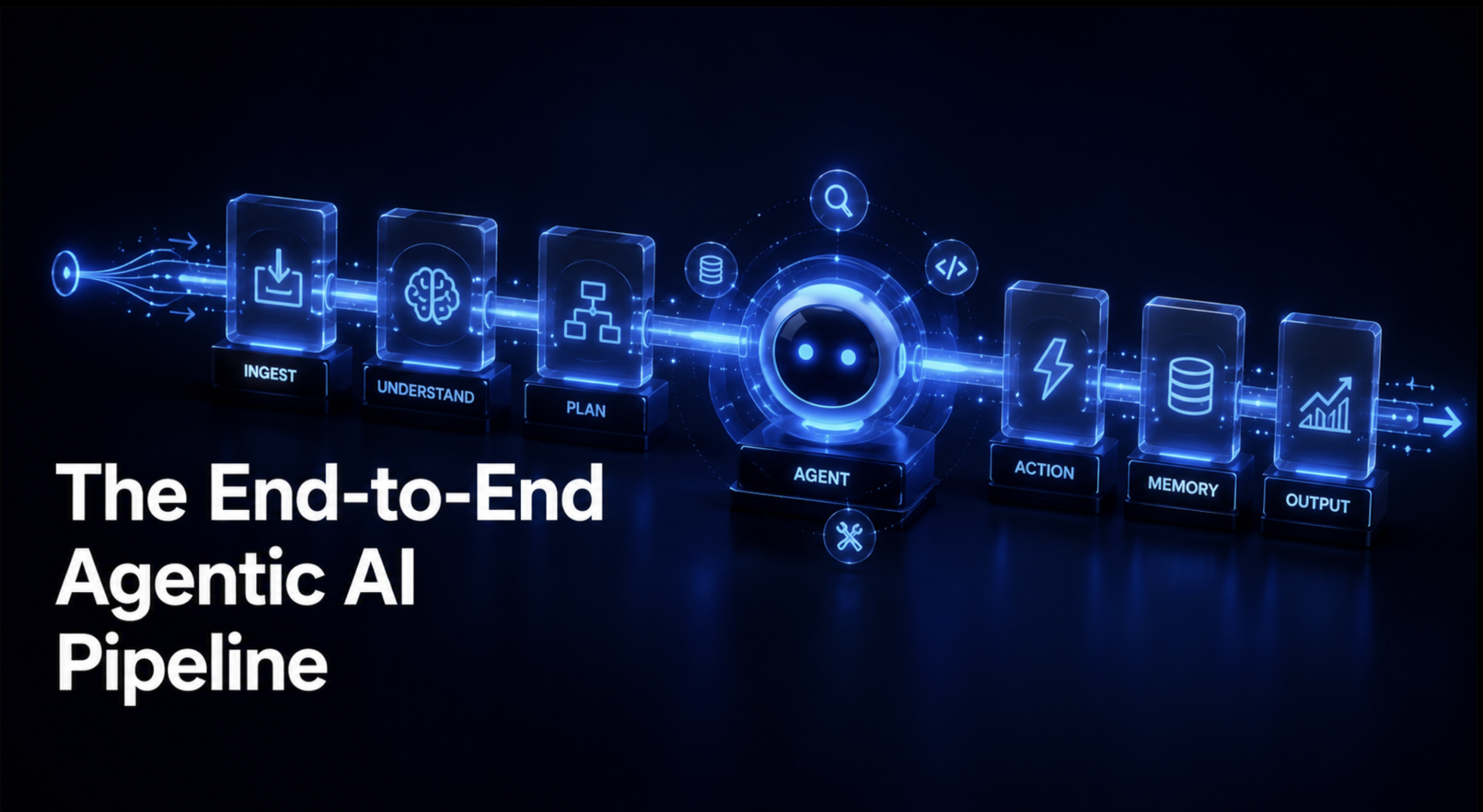 صورة توضيحية: The End-to-End Agentic AI Pipeline
المصدر: Machine Learning Mastery
صورة توضيحية: The End-to-End Agentic AI Pipeline
المصدر: Machine Learning Mastery
الخطوة 1: إعداد البيئة
أولاً، تأكد من أن لديك أحدث إصدارات 2026 من المكتبات اللازمة. ستحتاج إلى langgraph و langchain_openai والوصول إلى واجهة برمجة تطبيقات للسوق في الوقت الفعلي.
# إعداد مفاهيمي لوكيلنا في 2026
from langgraph.graph import StateGraph, END
from typing import TypedDict, List

class AgentState(TypedDict):
    task: str
    plan: List[str]
    research_data: str
    analysis: str
    final_report: str
الخطوة 2: تعريف العقد (Nodes)
العقد هي لبنات بناء وكيلك. تمثل كل عقدة وظيفة محددة. سنقوم بإنشاء ثلاث عقد: planner (المخطط)، researcher (الباحث)، و analyst (المحلل).
- المخطط: يأخذ استفسار المستخدم (مثل "هل هبوط البيتكوين الحالي فرصة للشراء؟") وينشئ قائمة مهام.
- الباحث: يستخدم الأدوات لجلب بيانات الأسعار الحالية لعام 2026 ومشاعر الأخبار.
- المحلل: يركب البيانات ويقدم توصية استراتيجية.
الخطوة 3: بناء الرسم البياني
الآن، نقوم بتوصيل هذه العقد. تكمن روعة LangGraph في القدرة على إضافة "حافة شرطية". على سبيل المثال، إذا وجد المحلل أن بيانات البحث غير كافية، يمكن للرسم البياني توجيه التدفق مرة أخرى إلى الباحث.
workflow = StateGraph(AgentState)

workflow.add_node("planner", plan_node)
workflow.add_node("researcher", research_node)
workflow.add_node("analyst", analysis_node)

workflow.set_entry_point("planner")
workflow.add_edge("planner", "researcher")
workflow.add_edge("researcher", "analyst")

# إضافة فحص شرطي
workflow.add_conditional_edges(
    "analyst",
    should_continue,
    {
        "continue": "researcher",
        "end": END
    }
)

app = workflow.compile()
مفهوم متقدم: الإنسان في الحلقة (HITL)
في عام 2026، يمكن أن تكون الاستقلالية الكاملة محفوفة بالمخاطر، خاصة في السياقات المالية أو الطبية. يقدم LangGraph "نقاط تفتيش" تسمح للوكيل بالتوقف وانتظار إنسان (الإنسان في الحلقة) للموافقة على الخطة قبل الانتقال إلى التنفيذ. هذه ميزة حاسمة للأتمتة على مستوى الشركات التي ينفذها أبوالمكارم شهود وفريقه في Ailigent لضمان السلامة والدقة.
تمرين: جرب بنفسك
التحدي: قم بتعديل الوكيل الموضح أعلاه ليشمل عقدة "مدير المخاطر" (Risk Manager). يجب أن تقوم هذه العقدة بتقييم توصية المحلل مقابل مجموعة من معايير السلامة (مثلاً: "لا توصي أبدًا بتخصيص أكثر من 5% لأصل واحد").
- قم بتعريف وظيفة جديدة
risk_manager_node. - أضفها إلى
StateGraph. - أنشئ حافة من
analystإلىrisk_manager. - اسمح للرسم البياني بالوصول إلى
ENDفقط بعد المرور عبر مدير المخاطر.
الخطوات التالية لمزيد من التعلم
لتعميق خبرتك في الذكاء الاصطناعي الوكيلي في عام 2026، فكر في هذه الموارد:
- أكاديمية LangChain: دورات متقدمة حول الاستمرارية والبث في LangGraph.
- رؤى Ailigent: سلسلة ندواتنا الويب الشهرية حول نشر وكلاء الذكاء الاصطناعي في التصنيع والتمويل.
- المساهمات مفتوحة المصدر: استكشف أحدث قوالب الوكلاء المتعددين على GitHub لترى كيف تقوم الفرق العالمية بهيكلة حلقات التفكير الخاصة بها.
النقاط الرئيسية / الخلاصة
- الذكاء الاصطناعي الوكيلي هو المعيار في 2026: الانتقال إلى ما هو أبعد من الأوامر البسيطة إلى أنظمة مستقلة موجهة نحو الأهداف أمر ضروري لأتمتة الأعمال الحديثة.
- LangGraph يوفر الهيكل: باستخدام نهج قائم على الرسم البياني، يمكنك إدارة سير العمل المعقد والدوري الذي لا تستطيع السلاسل الخطية التقليدية التعامل معه.
- الإنتاج يتطلب أكثر من مجرد نماذج لغوية: يدمج النظام الناجح التخطيط والذاكرة واستخدام الأدوات مع حواجز تقييم قوية.
- الإنسان في الحلقة أمر حيوي: بالنسبة للقرارات عالية المخاطر، صمم دائمًا خطوط الأنابيب الوكيلية الخاصة بك مع نقاط تفتيش للرقابة البشرية.
قد يبدو بناء هذه الأنظمة أمرًا شاقًا، ولكن مع أطر عمل مثل LangGraph والمبادئ الهيكلية التي تم تحديدها اليوم، فأنت مجهز جيدًا لقيادة تحول الذكاء الاصطناعي في مؤسستك.
فيديوهات ذات صلة
Agentic Framework LangGraph explained in 8 minutes | Beginners Guide
القناة: W.W. AI Adventures
LangChain vs LangGraph: A Tale of Two Frameworks
القناة: IBM Technology