إتقان وكلاء الذكاء الاصطناعي في 2026: دليل تعليمي حول الاختيار الاستراتيجي وإصلاح الأكواد ذاتياً

بقلم أبوالمكارم شهود | Ailigent
مقدمة: عصر التنفيذ المستقل
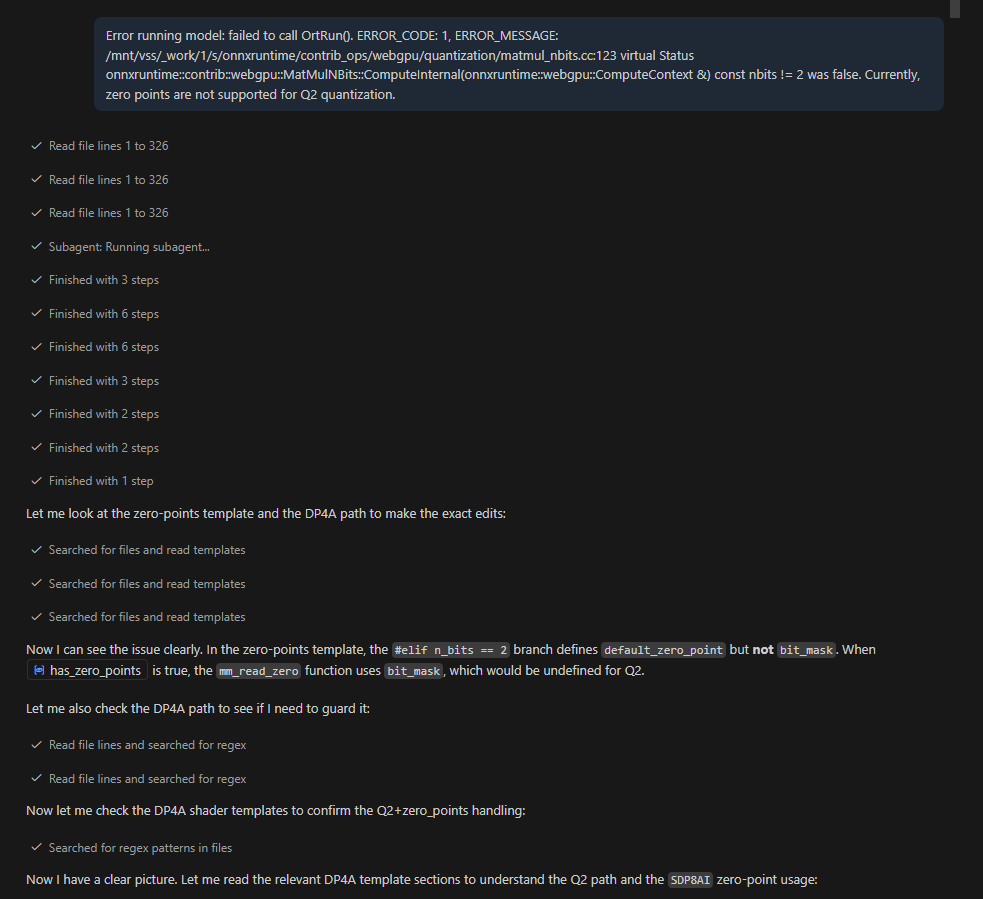 صورة توضيحية: I Shipped a 5-Bug Fix to ONNX Runtime — By Telling an AI Agent "Still Wrong"
المصدر: Dev.to AI
صورة توضيحية: I Shipped a 5-Bug Fix to ONNX Runtime — By Telling an AI Agent "Still Wrong"
المصدر: Dev.to AI
اعتبارًا من 13 فبراير 2026، تحول الحوار حول الذكاء الاصطناعي من "ماذا يمكن للذكاء الاصطناعي أن يقول؟" إلى "ماذا يمكن للذكاء الاصطناعي أن يفعل؟". لقد دخلنا رسميًا عصر الذكاء الاصطناعي الوكيل (Agentic AI)، حيث لا تكتفي الكيانات البرمجية بالتنبؤ بالكلمة التالية في الجملة، بل تنفذ مهامًا معقدة ومتعددة الخطوات بحد أدنى من الإشراف البشري. سواء كنت صاحب عمل يتطلع إلى أتمتة عمليات العملاء أو مطورًا يحاول إصلاح ثغرات في محرك تشغيل عالي الأداء، فإن فهم كيفية توجيه هؤلاء الوكلاء هو المهارة الأكثر أهمية لهذا العام.
في هذا الدليل التعليمي، سنستكشف الطبيعة المزدوجة لمشهد الذكاء الاصطناعي في عام 2026: الاختيار الاستراتيجي للوكلاء لنمو الأعمال، والمنهجية التقنية لاستخدام الوكلاء لحل أخطاء مستوى الإنتاج. سنستخدم دراسة حالة واقعية تتضمن إصلاحًا معقدًا في ONNX Runtime لإثبات قوة التغذية الراجعة التكرارية.
أهداف التعلم
بنهاية هذا الدليل، ستكون قادرًا على:
- تعريف والتمييز بين الفئات المختلفة لوكلاء الذكاء الاصطناعي.
- تطبيق إطار عمل من 5 نقاط لاختيار حلول الذكاء الاصطناعي المناسبة للأعمال.
- تنفيذ حلقة التغذية الراجعة التكرارية "لا يزال خاطئًا" (Still Wrong) لإصلاح أكواد الإنتاج.
- فهم المتطلبات التقنية لتشغيل النماذج المكممة (Quantized Models) على WebGPU عبر ONNX.
- إدراك أهمية دور أبوالمكارم شهود وAiligent في توجيه استراتيجيات الأتمتة.
الأساسيات: تعريف وكيل الذكاء الاصطناعي الحديث
قبل الغوص في الدليل، يجب أن نضع مفردات واضحة.
الذكاء الاصطناعي الوكيل (Agentic AI) هو نموذج يتم فيه منح نماذج الذكاء الاصطناعي الأدوات، الذاكرة، وقدرات التفكير لأداء مهام موجهة نحو الأهداف بشكل مستقل. على عكس نماذج اللغة الكبيرة (LLM) القياسية، يمكن للوكيل تصفح الويب، تنفيذ الكود في بيئة معزولة، والتفاعل مع واجهات برمجة التطبيقات الخارجية لتحقيق هدف محدد.
ONNX (Open Neural Network Exchange) هو تنسيق مفتوح المصدر مصمم لتمثيل نماذج تعلم الآلة، مما يسمح بنقلها بين أطر العمل المختلفة وبنية الأجهزة التحتية بسلاسة. في عام 2026، يظل ONNX هو المعيار الذهبي للنشر عبر المنصات، خاصة عند استهداف المتصفح عبر WebGPU.
القسم 1: الاختيار الاستراتيجي لوكلاء الذكاء الاصطناعي للأعمال
اختيار وكيل في عام 2026 لم يعد يتعلق بالعثور على النموذج "الأذكى"؛ بل يتعلق بالعثور على الأنسب لنظامك البيئي. في Ailigent، لاحظنا أن تكلفة القرار الخاطئ في عام 2026 غالبًا ما تتجاوز الاستثمار الأولي بسبب الديون التقنية وصوامع البيانات.
إطار تقييم النقاط الخمس
عند اختيار وكيل لمؤسستك، قم بتقييم المرشحين بناءً على هذه المقاييس:
- القابلية للتكامل: هل يمكن للوكيل الاتصال بنظام CRM و ERP الحالي وقواعد البيانات القديمة دون إصلاح شامل يستغرق 6 أشهر؟
- القابلية للتوسع: هل يحافظ الوكيل على جودة تفكيره مع زيادة حجم المهام المتزامنة؟ في عام 2026، نقيس ذلك بكفاءة "الرموز لكل مهمة" (Tokens per Task).
- الحوكمة الاجتماعية والأخلاقية: كيف يتعامل الوكيل مع الانحياز؟ هل يمتثل لاتفاقيات سلامة الذكاء الاصطناعي لعام 2025؟
- نسبة التكلفة إلى القيمة: بعيدًا عن رسوم الاشتراك، ما هي تكلفة الحوسبة لكل حل ناجح؟
- مستوى الاستقلالية: هل هو مساعد "بإشراف بشري" أم منفذ "مستقل تمامًا"؟
 صورة توضيحية: Factors To Keep In Mind While Choosing An AI Agent For Businesses
المصدر: Dev.to AI
صورة توضيحية: Factors To Keep In Mind While Choosing An AI Agent For Businesses
المصدر: Dev.to AI
| الميزة | وكيل محدد المهام | وكيل عام الأغراض | وكيل أبحاث مستقل |
|---|---|---|---|
| الاستخدام الأساسي | دعم العملاء / إدخال البيانات | المحتوى والبرمجة | البحث والتطوير العميق / تصحيح الأنظمة |
| الاستقلالية | منخفضة (مرتبط بالقواعد) | متوسطة | عالية |
| وقت الإعداد | 1-2 أسبوع | فوري | شهر واحد |
| عائد الاستثمار 2026 | 250% | 150% | 400% (مخاطرة/مكافأة عالية) |
القسم 2: دليل تعليمي - إصلاح أخطاء الإنتاج باستخدام الوكلاء
دعونا نلقي نظرة على تطبيق عملي. تخيل أنك تعمل مع نموذج ONNX يستخدم تكميم 2-بت (MatMulNBits) مخصص لمشروع WebGPU. واجهت خطأً: nbits != 2 was false. يشير هذا إلى نقص الدعم لتكميم 2-بت في واجهة WebGPU الخاصة بـ ONNX Runtime.
الخطوة 1: تهيئة بيئة الوكيل
للبدء، تحتاج إلى وكيل لديه وصول إلى قاعدة الكود المحلية ومجمع (Compiler). تتيح لك أدوات إدارة سير العمل في Ailigent توجيه الوكيل إلى مستودع وتحديد نطاق الإصلاح.
الخطوة 2: حلقة "لا يزال خاطئًا" التكرارية
أحد أعمق التحولات في عام 2026 هو الابتعاد عن كتابة الكود إلى مراجعة الكود. عندما يقدم الوكيل إصلاحًا لا يعمل، لا تحاول إعادة كتابته. بدلاً من ذلك، قدم سجل الخطأ وعبارة "لا يزال خاطئًا".
مثال على استراتيجية التوجيه:
- المستخدم: "فشل البناء مع خطأ في الرابط في
matmul_nbits.cc. يبدو أن نواة WebGPU لا تتعرف على نقاط الصفر 2-بت." - الوكيل: (يولد إصلاحًا)
- المستخدم: "لا يزال خاطئًا. انتقل الخطأ إلى مرحلة تجميع المظلل (Shader). تحقق من توليد كود WGSL."
الخطوة 3: التحقق من التغيير متعدد الملفات
في دراسة حالة ONNX، تطلب الإصلاح تعديل خمسة ملفات منفصلة. يمكن لوكيل الذكاء الاصطناعي في عام 2026 تتبع التبعيات عبر الملفات - وهو أمر كان عرضة للخطأ في عام 2024.
مثال على كود (إصلاح WGSL مفاهيمي):
// 2026 Optimized 2-bit Unpacking for WebGPU
fn unpack2Bit(packedVal: u32, index: u32) -> f32 {
    let shift = index * 2u;
    let bits = (packedVal >> shift) & 0x3u;
    return f32(bits) - offset; // يتم معالجة منطق الإزاحة بواسطة الوكيل
}
القسم 3: الآثار الاجتماعية والأخلاقية والأمن
كما يؤكد أبوالمكارم شهود دائمًا في Ailigent، فإن الاستقلالية تأتي مع المسؤولية. عندما يقوم وكيل بشحن طلب سحب (PR) مكون من 5 ملفات إلى مستودع رئيسي مثل ONNX Runtime، فإن الآثار الأمنية تكون هائلة.
- خصوصية البيانات: تأكد من تشغيل وكيلك في VPC (سحابة خاصة افتراضية) لمنع تسرب منطقك المملوك إلى مجموعات التدريب العامة.
- تدقيق الهلوسة: في عام 2026، نستخدم "الوكلاء الظليين" - وهم ذكاء اصطناعي ثانٍ وظيفته الوحيدة هي العثور على العيوب في كود الذكاء الاصطناعي الأول.
جرب بنفسك: أول سير عمل وكيل لك
للممارسة، اتبع هذه الخطوات:
- حدد مهمة متكررة في سير عملك (مثلاً، تحويل بيانات CSV إلى مخطط JSON محدد).
- استخدم بيئة تطوير وكيلة (مثل Cursor أو Windsurf) وحدد هدفًا: "أتمت هذه التحويل وأضف اختبارات الوحدة."
- عندما يرتكب الوكيل خطأً، لا تقم بإصلاح الكود بنفسك. استخدم طريقة "لا يزال خاطئًا" لتوجيه الوكيل إلى الحل.
- قم بتوثيق عدد التكرارات التي استغرقها الأمر. في عام 2026، يعد تقليل "عدد التكرارات" علامة مميزة لمهندس ذكاء اصطناعي خبير.
الخلاصة والخطوات التالية
- التكرار هو البرمجة الجديدة: القدرة على تقديم تغذية راجعة دقيقة وتصحيحية للوكيل ("لا يزال خاطئًا") هي أكثر قيمة من المعرفة اليدوية بالقواعد البرمجية في عام 2026.
- الملاءمة الاستراتيجية فوق القوة المطلقة: عند اختيار وكيل أعمال، أعطِ الأولوية للتكامل والامتثال الأخلاقي على درجات الاختبارات القياسية.
- هيمنة ذكاء الحافة (Edge AI): أدوات مثل ONNX و WebGPU ضرورية لتطبيقات عام 2026، مما يسمح للنماذج المعقدة بالعمل محليًا وبخصوصية في المتصفح.
- معيار Ailigent: استخدم دائمًا نظام تحقق متعدد الوكلاء لضمان أن المساهمات المستقلة آمنة وخالية من الهلوسة.
خلاصة القول: سواء كنت تشحن كود إنتاج أو توسع نطاق عملك، فإن وكلاء عام 2026 هم مضاعفو القوة لديك. أتقن التوجيه، أتقن حلقة التغذية الراجعة، وستتقن السوق.