تحول البنية التحتية للذكاء الاصطناعي في 2026: مواجهة التهديدات السيبرانية، ورقائق High-NA EUV، وأزمة المواهب

بقلم أبوالمكارم شهود | Ailigent
بينما نتنقل في منتصف عام 2026، نضج مشهد الذكاء الاصطناعي من الضجيج المضارب في أوائل عشرينيات القرن الحالي إلى ساحة عالية المخاطر للأمن الجيوسياسي والبنية التحتية الصناعية الضخمة. اليوم، 23 يونيو 2026، نجد أنفسنا عند مفترق طرق حيث تلتقي الحدود المادية للأجهزة مع التقلبات المتزايدة للحرب الرقمية. بالنسبة لأصحاب الأعمال والمتخصصين في التكنولوجيا، لم يعد السرد يتعلق فقط بأي نموذج لغوي كبير (LLM) هو الأسرع، بل بمن يمكنه تأمين بياناته ومن يمكنه تحمل تكلفة السيليكون لتشغيله.
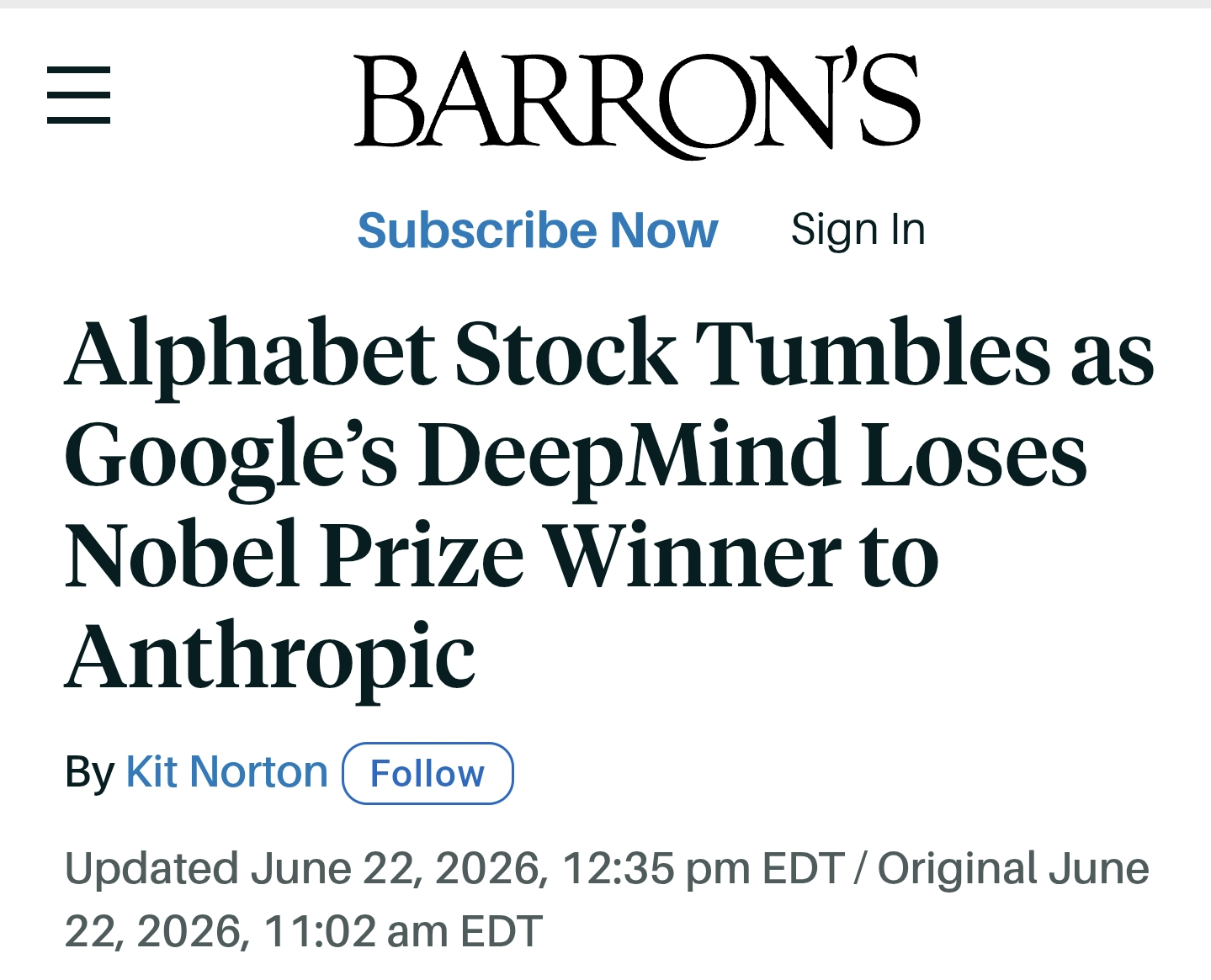 صورة توضيحية: Google Aims to Restore Investor Confidence Amid AI Leadership Exodus and Product Underperformance
المصدر: Dev.to AI
صورة توضيحية: Google Aims to Restore Investor Confidence Amid AI Leadership Exodus and Product Underperformance
المصدر: Dev.to AI
تحذير العيون الخمس: لماذا تعتبر التهديدات السيبرانية للذكاء الاصطناعي الأولوية القصوى في 2026
في 22 يونيو 2026، أصدر رؤساء الأمن السيبراني في دول العيون الخمس (الولايات المتحدة والمملكة المتحدة وكندا وأستراليا ونيوزيلندا) إيجازًا استخباراتيًا مشتركًا أحدث صدمة في عالم الشركات. كانت الرسالة واضحة: التهديدات السيبرانية للذكاء الاصطناعي (AI Cyber Threats) لم تعد خطرًا نظريًا للعقد القادم؛ إنها خطر تشغيلي وشيك من المتوقع أن يؤثر على البنية التحتية العالمية في غضون أشهر.
التهديدات السيبرانية للذكاء الاصطناعي هي فئة من الهجمات الرقمية حيث يستخدم المهاجمون خوارزميات مؤتمتة وذاتية التطور لتحديد ثغرات البرامج، وتجاوز الأمن البيومتري، وإطلاق حملات تصيد شخصية للغاية على نطاق كان مستحيلاً سابقًا على المتسللين البشر.
وكما يؤكد أبوالمكارم شهود دائمًا في Ailigent، فإن دمقرطة الذكاء الاصطناعي أدت أيضًا إلى دمقرطة الجرائم السيبرانية. في عام 2026، نشهد 'برمجيات خبيثة متعددة الأشكال' يمكنها إعادة كتابة الكود الخاص بها لتجنب الاكتشاف في الوقت الفعلي. بالنسبة لصاحب العمل العادي، هذا يعني أن استراتيجيات جدار الحماية التقليدية أصبحت قديمة فعليًا. يجب أن ينتقل التركيز نحو بنية 'الثقة الصفرية' (Zero Trust) وأنظمة الدفاع المدفوعة بالذكاء الاصطناعي التي يمكنها الهجوم المضاد بسرعة الآلة.
أساس الـ 400 مليون دولار: ASML وثورة High-NA EUV
بينما يتصدر أمن البرمجيات العناوين الرئيسية، يتم بناء الواقع المادي للذكاء الاصطناعي في غرف نظيفة. كشفت شركة ASML مؤخرًا عن أحدث تحفها: آلة بقيمة 400 مليون دولار بحجم حافلة ذات طابقين. هذا هو نظام الليثوغرافيا High-NA EUV، وهو أعجوبة تزن 150 طنًا وهي الطريقة الوحيدة لإنتاج الجيل القادم من رقائق 2 نانومتر و1.4 نانومتر.
تقنية High-NA EUV هي تقنية ليثوغرافيا متقدمة تستخدم فتحة عددية أكبر لتركيز ضوء الأشعة فوق البنفسجية الشديدة بدقة أكبر، مما يسمح لصانعي الرقائق بنقش ترانزستورات أصغر وأكثر كثافة على رقائق السيليكون.
يعد عنق الزجاجة في الأجهزة هذا اتجاهًا حاسمًا لعام 2026. لا يمكن إلا لحفنة من الشركات — TSMC و Intel و Samsung — تحمل تكلفة هذه الآلات. وهذا يخلق اقتصادًا طبقيًا حيث تتركز أقوى قدرات الذكاء الاصطناعي في أيدي أولئك الذين يسيطرون على الأجهزة. بالنسبة لمتخصصي التكنولوجيا، هذا يعني أن 'كفاءة الحوسبة' هي المعيار الذهبي الجديد. إذا لم تكن قادرًا على تحمل تكلفة أغلى الرقائق، فيجب تحسين برامجك للقيام بالمزيد بموارد أقل. هذا هو المكان الذي تتخصص فيه Ailigent، مما يضمن أن سير عمل الأتمتة هزيل بما يكفي للعمل بفعالية حتى مع ارتفاع تكاليف الأجهزة.
 صورة توضيحية: The $400 million machine powering the future of chipmaking
المصدر: MIT Tech Review AI
صورة توضيحية: The $400 million machine powering the future of chipmaking
المصدر: MIT Tech Review AI
أزمة رأس المال البشري: نزوح القيادات في جوجل والاحتفاظ بمواهب الذكاء الاصطناعي
حتى مع أفضل الأجهزة والأمن، تتطلب أنظمة الذكاء الاصطناعي قيادة رؤيوية. ومع ذلك، أثبت عام 2026 أنه عام التحولات الداخلية الهائلة لعمالقة الصناعة. تعاني جوجل، التي كانت ذات يوم الرائدة بلا منازع في الأبحاث، حاليًا من 'نزوح قيادي' كبير. يغادر المديرون التنفيذيون الرئيسيون إلى شركات ناشئة أصغر وأكثر مرونة أو شركات منافسة، مستشهدين بالبيروقراطية الداخلية وضعف أداء المنتجات.
الاحتفاظ بمواهب الذكاء الاصطناعي (AI Talent Retention) هو العملية الاستراتيجية للحفاظ على الباحثين والمهندسين والمديرين التنفيذيين ذوي الأداء العالي داخل المنظمة من خلال التعويضات التنافسية، والحرية الإبداعية، وثقافة الابتكار السريع.
يسلط هذا الاتجاه الضوء على درس حيوي لعام 2026: المواهب أكثر قدرة على التنقل من أي وقت مضى. عندما تفشل القيادة في سد الفجوة بين الأبحاث والمنتجات المربحة، ترحل أفضل العقول. يجب أن يكون هذا عدم الاستقرار في جوجل بمثابة تحذير لجميع المؤسسات التي تقودها التكنولوجيا. بدون مسار واضح من تجارب الذكاء الاصطناعي إلى قيمة الأعمال، ستفقد الذكاء البشري المطلوب لإدارة ذكائك الاصطناعي.
مقارنة مشهد الذكاء الاصطناعي: 2024 مقابل 2026
| الميزة | 2024 (عصر الضجيج) | 2026 (عصر البنية التحتية) |
|---|---|---|
| الهدف الأساسي | حجم النموذج (المعلمات) | الأمن والموثوقية |
| معيار الأجهزة | EUV القياسي / H100s | High-NA EUV / ASICs المتخصصة |
| التركيز الأمني | خصوصية البيانات | الدفاع ضد التهديدات السيبرانية للذكاء الاصطناعي |
| سوق المواهب | طفرة في التوظيف | الاحتفاظ الاستراتيجي بمواهب الذكاء الاصطناعي |
| قيمة الأعمال | برامج الدردشة والمحتوى | الوكلاء المستقلون والبنية التحتية |
تطبيقات عملية لعملك في عام 2026
كيف تترجم هذه الاتجاهات العالمية إلى عملياتك اليومية؟ في Ailigent، نوصي بثلاثة تحولات فورية في استراتيجية الأتمتة الخاصة بك:
- تدقيق الأمن المعزز بالذكاء الاصطناعي: لا تنتظر 'الأشهر' التي توقعتها العيون الخمس. قم بتنفيذ أدوات مراقبة مدفوعة بالذكاء الاصطناعي تبحث عن أنماط التسلل الآلي اليوم.
- التطوير الواعي بالحوسبة: عند بناء أدوات ذكاء اصطناعي داخلية، أعط الأولوية للنماذج 'المكممة' (Quantized) أو المحسنة للكفاءة. الاعتماد على استدعاءات واجهة برمجة التطبيقات (API) الضخمة والمكلفة سيصبح عبئًا ماليًا مع ارتفاع تكاليف الأجهزة.
- ثقافة الابتكار: لحل مشكلة الاحتفاظ بالمواهب، قم بتمكين فريقك لقيادة المشاريع التي لها تأثير مباشر على الأرباح. تريد المواهب رفيعة المستوى في عام 2026 رؤية عملها في مرحلة الإنتاج، وليس عالقًا في مختبر أبحاث.
توقعات مستقبلية: إلى أين يتجه الاتجاه؟
بينما نتطلع نحو عام 2027، من المرجح أن ينتقل التركيز من بناء الذكاء الاصطناعي إلى حوكمة الذكاء الاصطناعي. نتوقع رؤية صعود 'سحب الذكاء الاصطناعي السيادية' — مراكز حوسبة مؤممة مصممة للحماية من نفس التهديدات السيبرانية التي حذرت منها العيون الخمس. علاوة على ذلك، ستؤدي آلات High-NA EUV التي يتم تركيبها اليوم إلى طفرة في 'الذكاء الاصطناعي الطرفي' (Edge AI) — حيث يعيش الذكاء القوي على جهازك المحلي بدلاً من سحابة مركزية، مما يوفر السرعة والأمان.
النقاط الرئيسية المستفادة
- أعط الأولوية للأمن فوراً: التهديدات السيبرانية للذكاء الاصطناعي هي أهم عامل خطر لاستمرارية الأعمال في أواخر عام 2026. انتقل إلى وضع أمني يعتمد على الذكاء الاصطناعي أولاً.
- الأجهزة تملي البرمجيات: تعني التكلفة الضخمة ودقة آلات High-NA EUV أن قوة الحوسبة ستظل سلعة ثمينة. قم بتحسين الأتمتة الخاصة بك من أجل الكفاءة.
- الاحتفاظ قبل التوظيف: ركز على الاحتفاظ بمواهب الذكاء الاصطناعي من خلال إنشاء خارطة طريق واضحة لنجاح المنتج. استقرار القيادة هو أفضل مؤشر على عائد استثمار الذكاء الاصطناعي.
- ابق مرناً: يشير نزوح المواهب من الشركات العملاقة مثل جوجل إلى أن الفرق الصغيرة والمركزة (مثل تلك التي نرعاها في Ailigent) غالبًا ما تكون في وضع أفضل للابتكار بسرعة في هذه البيئة المتقلبة.
الخلاصة: في عام 2026، لم يعد الذكاء الاصطناعي رفاهية؛ إنه البنية التحتية للأعمال الحديثة. تأمين تلك البنية التحتية، وفهم حدود أجهزتها، والحفاظ على الأشخاص الذين يبنونها هي الركائز الثلاث للنجاح في العام المقبل.