The 2026 AI Telephony Revolution: How Vibe Coding and Instant Agents are Eliminating Decision Debt

By Abo-Elmakarem Shohoud | Ailigent
The Dawn of the Frictionless Enterprise in 2026
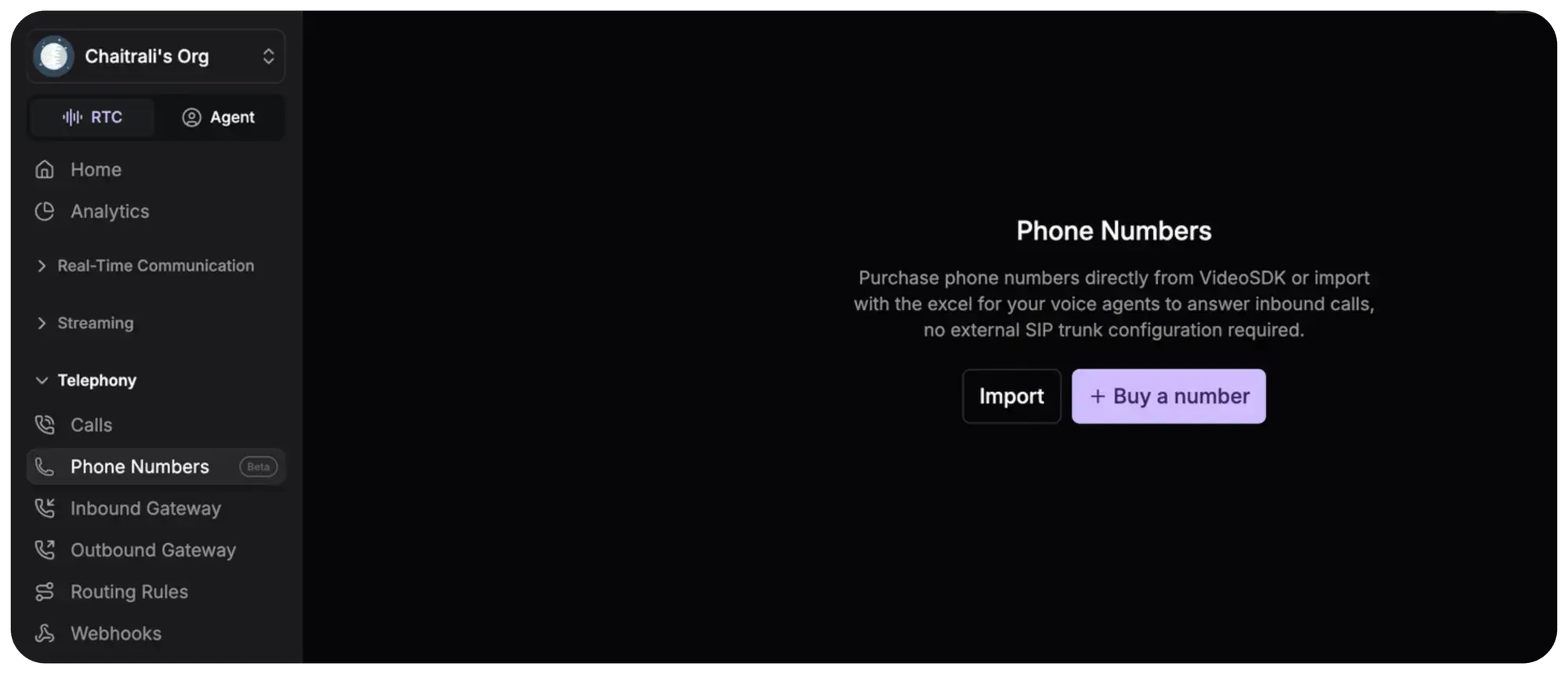 Introducing Phone Numbers: Build AI Telephony Agents in 60 seconds
Source: Dev.to AI
Introducing Phone Numbers: Build AI Telephony Agents in 60 seconds
Source: Dev.to AI
As we navigate the first quarter of 2026, the landscape of AI automation has shifted from experimental curiosity to essential infrastructure. We are no longer discussing whether AI can help businesses; we are witnessing a total collapse of the barriers between an idea and a live, customer-facing product. This year, the focus has pivoted from the raw power of Large Language Models (LLMs) to the seamless integration of these models into the physical and digital infrastructure we use daily.
Two major breakthroughs have defined the early months of 2026: the democratization of AI telephony and the rise of 'Vibe Coding.' However, as Abo-Elmakarem Shohoud often emphasizes at Ailigent, the greatest bottleneck is no longer the technology itself, but the human element—specifically, the 'Decision Debt' that plagues even the most advanced development frameworks like Laravel. To stay competitive this year, business owners must understand how to leverage these instant-deployment tools while ruthlessly streamlining their decision-making processes.
AI Telephony Agents: Breaking the Twilio Monopoly
For years, building a voice-activated AI required a complex web of third-party integrations. You needed an LLM, a Text-to-Speech (TTS) engine, a Speech-to-Text (STT) provider, and a telephony gateway like Twilio or SignalWire. The latency was high, the setup was tedious, and the costs were fragmented.
AI Telephony Agents are autonomous voice systems capable of handling complex phone interactions over the public switched telephone network (PSTN) without human intervention.
In 2026, the launch of first-party telephony capabilities, such as VideoSDK’s new phone number integration, has changed the game. Developers can now purchase phone numbers directly within their AI dashboard and attach them to calling logic in under 60 seconds. By removing the need for external SIP trunk configuration or third-party accounts, we have reached a state of 'Zero-Friction Voice.' This means a local clinic or a global logistics firm can deploy a multilingual, 24/7 customer service agent that sounds indistinguishable from a human, directly on a local phone line, in the time it takes to brew a cup of coffee.
The Rise of Vibe Coding and Magic Cloud
While voice agents are handling the front lines, the way we build the back-office systems supporting them has undergone a radical transformation. Enter 'Vibe Coding.'
Vibe Coding is a software development paradigm where developers describe high-level intents and 'vibes' to an AI, which then generates the entire full-stack application architecture, including databases, APIs, and frontends, without manual coding.
Platforms like Magic Cloud are leading this charge in 2026. We are seeing open-source, full-stack platforms that allow for the creation of complex systems—like a secured CRM with Google SSO integration—in less than ten minutes. This isn't just 'low-code'; it is 'intent-driven' development. The AI understands the 'vibe' of the requirement (e.g., "I need a system to track lead conversion with automated email follow-ups") and executes the technical implementation autonomously. For tech professionals, this shifts the role from 'builder' to 'architect' and 'editor.'
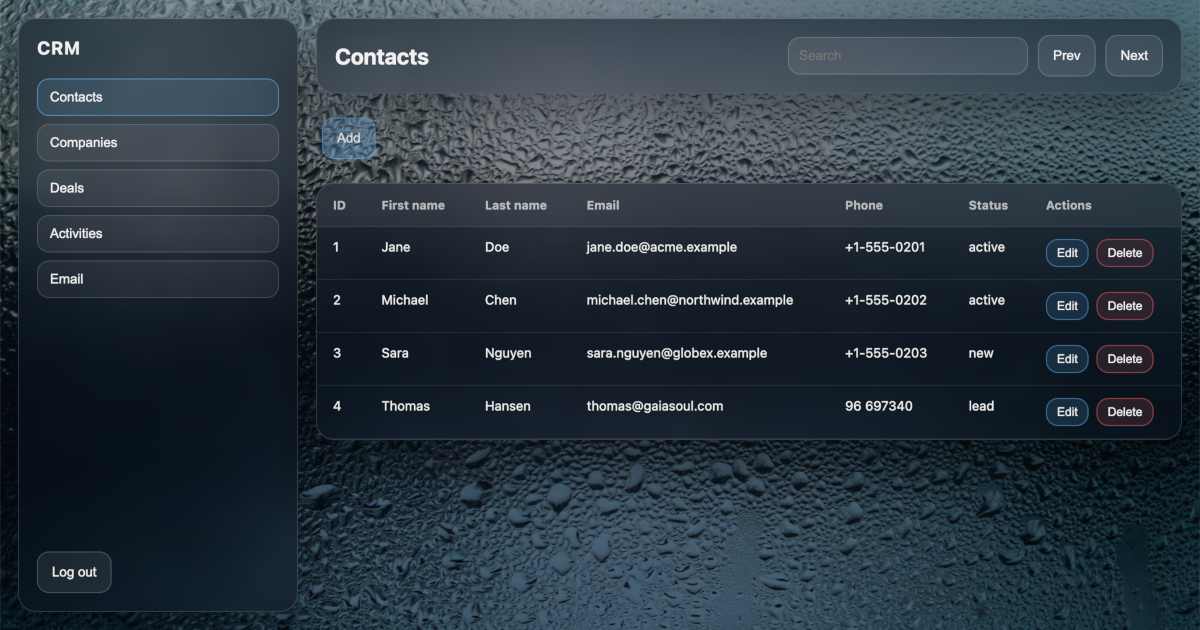 Setup Magic Cloud on your own Development Machine
Source: Dev.to AI
Setup Magic Cloud on your own Development Machine
Source: Dev.to AI
Comparison: Traditional Development vs. 2026 AI-Driven Workflows
| Feature | Traditional Workflow (Pre-2025) | 2026 AI-Driven Workflow |
|---|---|---|
| Telephony Setup | Days/Weeks (SIP, Twilio, STT/TTS) | < 60 Seconds (Integrated) |
| Full-Stack Deployment | Months (Sprint cycles, DB design) | Minutes (Vibe Coding/Magic Cloud) |
| Authentication | Manual Setup (OAuth, JWT) | Automatic/Zero-Config |
| Infrastructure | Manual Server/Cloud Management | Self-Healing / Auto-Provisioned |
| Primary Bottleneck | Developer Coding Speed | Human Decision Debt |
The Silent Killer: Decision Debt in Laravel and Beyond
Despite these technological leaps, many projects in 2026 still face delays. A common misconception is that developers are the cause of missed deadlines. However, as recent industry analysis of Laravel projects shows, the real culprit is 'Decision Debt.'
Decision Debt is the accumulated cost of delayed or ambiguous project requirements that forces developers to make assumptions, eventually leading to rework and missed deadlines.
In the era of 60-second AI agents and 10-minute CRM builds, Decision Debt is more dangerous than ever. If your AI can build a feature in seconds, but you spend three weeks deciding what that feature should look like, the technology's value is neutralized. We see this often in Laravel environments where 'almost clear' requirements lead to sprint stretches. The speed of the tool (Laravel, Magic Cloud, or VideoSDK) cannot outrun the friction of a hesitant leadership team. At Ailigent, we advise our clients that the goal for 2026 is to match 'Vibe Coding' speed with 'Vibe Deciding'—making rapid, high-fidelity decisions that allow the AI to execute without ambiguity.
Practical Business Value: Why This Matters Now
For a business owner in 2026, these trends translate into three measurable advantages:
- Capital Efficiency: You no longer need a 10-person team to launch a pilot program. A single 'Vibe Coder' can deploy what used to take a full department.
- Market Responsiveness: If a competitor launches a new service, you can have a functional equivalent—complete with a dedicated AI phone line—running by the end of the business day.
- Operational Resilience: By moving away from complex third-party dependencies (like external SIP providers), your infrastructure is flatter, easier to maintain, and less prone to 'integration hell.'
Recent data suggests that companies adopting integrated AI telephony and vibe coding have seen a 70% reduction in 'Time-to-Market' for new digital services compared to those clinging to 2024-era manual workflows.
Future Predictions: Where the Trend is Headed
As we look toward the latter half of 2026 and into 2027, the trend of 'Vertical Integration' will continue. We expect to see AI models that not only write the code but also manage the legal and compliance aspects (like GDPR or HIPAA) automatically as they generate the infrastructure.
Telephony will likely move toward 'Hyper-Personalization,' where the AI agent recognizes the caller's voice and sentiment history across multiple platforms to provide a truly unified experience. The distinction between 'the app' and 'the phone call' will disappear; they will be two interfaces for the same underlying intelligent logic.
Bottom Line: Key Takeaways
- Eliminate Third-Party Friction: Use first-party telephony integrations to deploy AI voice agents in minutes, avoiding the complexity of legacy providers like Twilio.
- Embrace Vibe Coding: Shift your development focus from manual coding to 'intent-driven' platforms like Magic Cloud to build full-stack applications at the speed of thought.
- Kill Decision Debt: The bottleneck in 2026 is clarity, not code. Ensure requirements are 100% defined before triggering AI generation to avoid costly rework.
- Focus on Integration: The real value lies in how these tools talk to each other—ensure your AI phone agents are directly connected to your 'vibe-coded' CRM for a seamless data flow.
By leveraging the expertise of Abo-Elmakarem Shohoud and the Ailigent team, businesses can navigate these rapid shifts and turn 'vibe' into reality before the next sprint even begins.
Related Videos
How to Use GoHighLevel AI Voice Agents: Ultimate 2026 Tutorial
Channel: Jeff and Charles Explain
Retell AI Basics 2026: Everything You Need to Start Building Voice Agents (New & Improved)
Channel: Tech Tomlet