دليل 2026 لتحديث الأنظمة بالذكاء الاصطناعي: تطوير التطبيقات القديمة باستخدام Pydantic AI والسحابة الموفرة

بقلم أبوالمكارم شهود | Ailigent
أهداف التعلم
بحلول نهاية هذا البرنامج التعليمي، ستكون قادرًا على:
- تحديد المكونات الأساسية لاستراتيجية تحديث الأنظمة القديمة باستخدام الذكاء الاصطناعي الوكيل.
- فهم المزايا الاقتصادية لاستضافة المعالج المشترك (Shared CPU) للأنظمة الوسيطة التي تعمل بالذكاء الاصطناعي.
- بناء وكيل ذكاء اصطناعي منظم وجاهز للإنتاج باستخدام إطار عمل Pydantic AI.
- تنفيذ "نمط الجسر" (Bridge Pattern) لربط وكلاء الذكاء الاصطناعي الحديثين بقواعد البيانات القديمة دون الحاجة لإعادة كتابة كاملة.
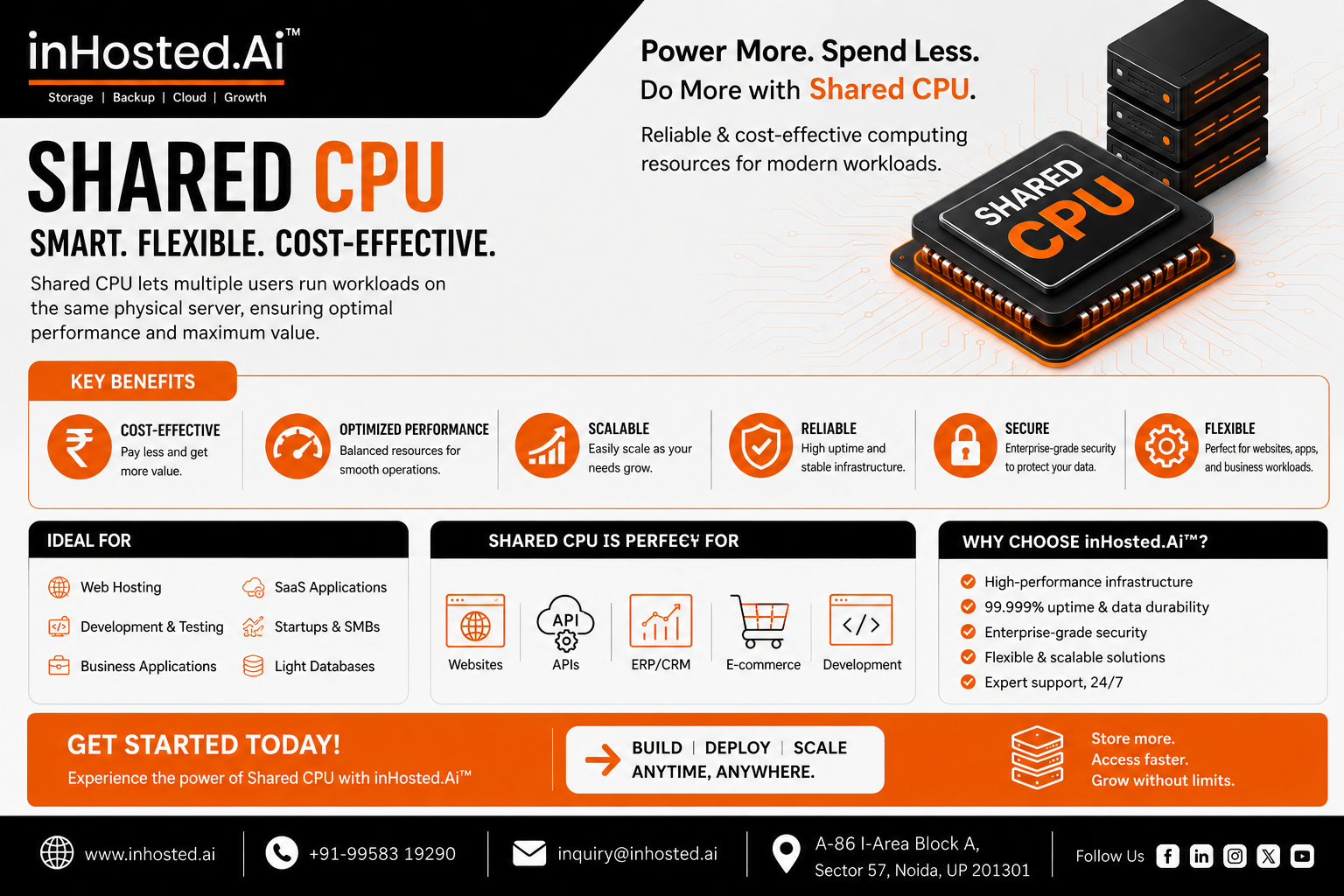 صورة توضيحية: Shared CPU Cloud Hosting: How It Works and When to Use It
المصدر: Dev.to AI
صورة توضيحية: Shared CPU Cloud Hosting: How It Works and When to Use It
المصدر: Dev.to AI
مقدمة: حالة التكنولوجيا المؤسسية في عام 2026
بينما نتنقل في أغسطس 2026، تحول المشهد التكنولوجي من "تجارب الذكاء الاصطناعي" إلى "التحديث المعتمد على الذكاء الاصطناعي أولاً". بالنسبة للعديد من أصحاب الأعمال، لم يعد التحدي يتعلق بما إذا كان سيتم استخدام الذكاء الاصطناعي، بل بكيفية دمجه في الأنظمة التي تم بناؤها قبل عقد من الزمن. التطبيقات القديمة - تلك الأنظمة الموثوقة ولكن الجامدة - غالبًا ما تحتوي على أثمن بيانات الشركة. ومع ذلك، فإن إعادة كتابتها من الصفر هي محاولة عالية المخاطر وتستغرق سنوات، وهو أمر لا تستطيع معظم الشركات تحمله في سوق اليوم المتسارع.
في Ailigent، لاحظنا أن أنجح عمليات التحول الرقمي هذا العام ليست إعادة كتابة كاملة؛ بل هي "تغطية ذكية". باستخدام الذكاء الاصطناعي الوكيل (Agentic AI)، يمكننا تغليف المنطق القديم بطبقة حديثة ومستقلة تتفاعل مع النظام القديم مع توفير إمكانيات بمستوى عام 2026 للمستخدم النهائي. سيوجهك هذا البرنامج التعليمي عبر الخطوات التقنية والاستراتيجية لتحقيق ذلك.
المفاهيم الأساسية
قبل الغوص في التنفيذ، دعونا نحدد الركائز الأساسية لنهجنا.
الذكاء الاصطناعي الوكيل (Agentic AI) هو نموذج يتم فيه تصميم أنظمة الذكاء الاصطناعي لأداء مهام متعددة الخطوات بشكل مستقل، والتفكير في المشكلات المعقدة، واستخدام الأدوات الخارجية (مثل واجهات برمجة التطبيقات أو قواعد البيانات) لتحقيق أهداف محددة بأقل تدخل بشري.
استضافة السحابة بمعالج مشترك (Shared CPU) هي نموذج حوسبة حيث تشترك عدة أجهزة افتراضية في قوة المعالجة لمعالج فيزيائي واحد، مما يجعلها خيارًا مثاليًا وموفرًا للتكلفة للتطبيقات التي تواجه أعباء عمل متغيرة، مثل وكلاء الذكاء الاصطناعي الذين ينتظرون استجابات النماذج اللغوية الكبيرة.
Pydantic AI هو إطار عمل بايثون يستفيد من التحقق من صحة البيانات وتلميحات النوع في Pydantic لبناء وكلاء ذكاء اصطناعي منظمين وقابلين للاختبار وجاهزين للإنتاج، مما يسد الفجوة بين الكود التجريبي والبرمجيات المؤسسية.
الخطوة 1: اختيار البنية التحتية المناسبة
في عام 2026، الكفاءة هي المقياس الأساسي لمديري التكنولوجيا. عند نشر وكلاء الذكاء الاصطناعي الذين يعملون كجسور للأنظمة القديمة، لا تحتاج دائمًا إلى معالجات مخصصة وعالية الأداء. يتضمن معظم نشاط وكيل الذكاء الاصطناعي "الانتظار" - انتظار النموذج اللغوي لمعالجة الطلب أو انتظار قاعدة البيانات القديمة لإرجاع استعلام.
تسمح لك استضافة المعالج المشترك بالتوسع أفقيًا بجزء بسيط من التكلفة. على سبيل المثال، يمكن لمجموعة من 10 مثيلات بمعالج مشترك التعامل مع مهام وكيل متزامنة أكثر من مثيلين كبيرين مخصصين، مما يوفر تكرارًا أفضل لطبقة التحديث الخاصة بك.
 صورة توضيحية: How to Modernize a Legacy Application with AI Without Turning It Into a Rewrite
المصدر: freeCodeCamp
صورة توضيحية: How to Modernize a Legacy Application with AI Without Turning It Into a Rewrite
المصدر: freeCodeCamp
مقارنة: البنية التحتية لأعباء عمل الذكاء الاصطناعي
| الميزة | استضافة المعالج المشترك | استضافة المعالج المخصص |
|---|---|---|
| التكلفة (متوسط 2026) | 4$ - 20$ / شهرياً | 40$ - 200$+ / شهرياً |
| الأفضل لـ | الوكلاء الخلفيين، جسور API | تطبيقات الويب عالية الحركة، الحوسبة الثقيلة |
| الأداء | دورات مشتركة، قابلة للانفجار | دورات محجوزة وثابتة |
| القابلية للتوسع | توسع أفقي عالٍ | تركيز على التوسع الرأسي |
الخطوة 2: تصميم الوكيل باستخدام Pydantic AI
أحد أكبر الإخفاقات في تحديث الأنظمة القديمة هو "البنية القائمة على النصوص" - تمرير النصوص الخام بين الذكاء الاصطناعي والنظام القديم. يؤدي هذا إلى أخطاء غير متوقعة. يحل Pydantic AI هذه المشكلة من خلال فرض بيانات منظمة.
سيناريو البرنامج التعليمي
تخيل نظام ERP قديم من عام 2014 يدير المخزون عبر قاعدة بيانات SQL معقدة. نريد بناء وكيل يسمح لمديري المستودعات بطرح أسئلة باللغة العربية البسيطة: "هل لدينا مخزون كافٍ لشحنة القاهرة؟"
مثال كود: بناء الوكيل الجاهز للإنتاج
from pydantic import BaseModel
from pydantic_ai import Agent, RunContext

# تعريف المخرجات المنظمة لنظامنا القديم
class InventoryStatus(BaseModel):
    item_name: str
    stock_level: int
    needs_reorder: bool
    warehouse_location: str

# تعريف الوكيل
inventory_agent = Agent(
    'openai:gpt-4o', # استخدام نماذج معيار 2026
    result_type=InventoryStatus,
    system_prompt="أنت مساعد لنظام ERP قديم. استخرج بيانات المخزون بدقة."
)

@inventory_agent.tool
def query_legacy_db(ctx: RunContext[None], item_id: str) -> dict:
    # في سيناريو حقيقي، يتصل هذا بخادم SQL القديم الخاص بك
    # هذا هو 'الجسر' إلى العالم القديم
    print(f"الوصول إلى قاعدة البيانات القديمة للمعرف: {item_id}")
    return {"id": item_id, "qty": 150, "loc": "Cairo-North"}

# تشغيل الوكيل
result = inventory_agent.run_sync("تحقق من حالة العنصر 502")
print(result.data)
الخطوة 3: تنفيذ "التغطية الذكية"
بدلاً من تغيير الكود القديم، نقوم بنشر هذا الوكيل على مثيل سحابي بمعالج مشترك. يعمل الوكيل كمترجم.
- الالتقاط: يرسل المستخدم طلبًا عبر واجهة حديثة (Slack أو ويب أو صوت).
- التفكير: يحدد وكيل Pydantic AI الأدوات (استدعاءات API القديمة أو استعلامات DB) المطلوبة.
- التنفيذ: يستدعي الوكيل النظام القديم باستخدام أداة
query_legacy_db. - التحقق: يضمن Pydantic أن البيانات العائدة من النظام القديم تناسب المخطط الحديث.
- الاستجابة: يتلقى المستخدم إجابة واضحة ومنظمة.
هذا النهج، الذي يدعمه أبوالمكارم شهود، يضمن أن يظل "مصدر الحقيقة" هو النظام القديم بينما يكون "مصدر الذكاء" حديثًا وقابلاً للتوسع.
تمارين: جربها بنفسك
- دمج الأدوات: قم بتعديل الكود أعلاه ليشمل أداة ثانية تتحقق من "أوقات الشحن" من ملف JSON ثابت (محاكاة لمكون قديم آخر).
- تحليل التكلفة: احسب التوفير الشهري لتشغيل 5 وكلاء على مثيلات معالج مشترك (12 دولارًا لكل منها) مقابل مثيل مخصص واحد كبير (150 دولارًا).
- معالجة الأخطاء: أضف أداة تحقق (validator) من Pydantic إلى فئة
InventoryStatusتثير خطأ إذا كانstock_levelسالبًا - وهو خطأ شائع في الأنظمة القديمة.
الخطوات التالية لمزيد من التعلم
- استكشف وثائق Pydantic AI لأنماط "حقن التبعية" المتقدمة.
- اقرأ دليلنا السابق حول قواعد بيانات المتجهات للوثائق القديمة لمساعدة وكلائك على فهم الكتيبات التي يبلغ عمرها 20 عامًا.
- احجز استشارة مع Ailigent لتدقيق بنيتك التحتية القديمة ومدى جاهزيتها للذكاء الاصطناعي.
النقاط الرئيسية
- التحديث ليس استبدالاً: استخدم وكلاء الذكاء الاصطناعي لتغليف الأنظمة القديمة بدلاً من إعادة كتابتها، مما يقلل المخاطر ووقت الوصول إلى السوق.
- الهيكلة هي الأمان: استخدم أطر عمل مثل Pydantic AI لضمان أن مخرجات الذكاء الاصطناعي متوقعة ومتوافقة مع متطلبات المؤسسة.
- التحسين للمدخلات والمخرجات: استفد من استضافة السحابة ذات المعالج المشترك لوكلاء الذكاء الاصطناعي لزيادة كفاءة التكلفة في المشهد التنافسي لعام 2026.
- ابدأ صغيرًا: ركز على جسر واحد عالي القيمة - مثل المخزون أو دعم العملاء - قبل توسيع طبقة الوكلاء عبر المؤسسة بأكملها.
فيديوهات ذات صلة
The Agentic Engineer Workflow You Need In 2026
القناة: Zen van Riel
Orchestrating Complex AI Workflows with AI Agents & LLMs
القناة: IBM Technology