الدليل الشامل لعام 2026 لإدارة الأساطيل بالذكاء الاصطناعي: الاستراتيجية، الأدوات، والتنفيذ

بقلم أبوالمكارم شهود | Ailigent
بينما نتنقل عبر الربع الثاني من عام 2026، يشهد قطاع اللوجستيات والنقل تحولاً عميقاً. لقد ولت أيام الجدولة اليدوية والصيانة التفاعلية وأصبحت رسمياً من مخلفات الماضي. اليوم، لم تعد إدارة الأساطيل المدفوعة بالذكاء الاصطناعي رفاهية للشركات العالمية الكبرى؛ بل أصبحت ضرورة للبقاء لأي عمل يدير أسطولاً من المركبات. سواء كنت تدير خمس شاحنات توصيل صغيرة أو خمسة آلاف شاحنة نقل ثقيل، فإن دمج الذكاء الاصطناعي الوكيل (Agentic AI) والتحليلات التنبؤية هو المفتاح للحفاظ على ميزة تنافسية في عام 2026.
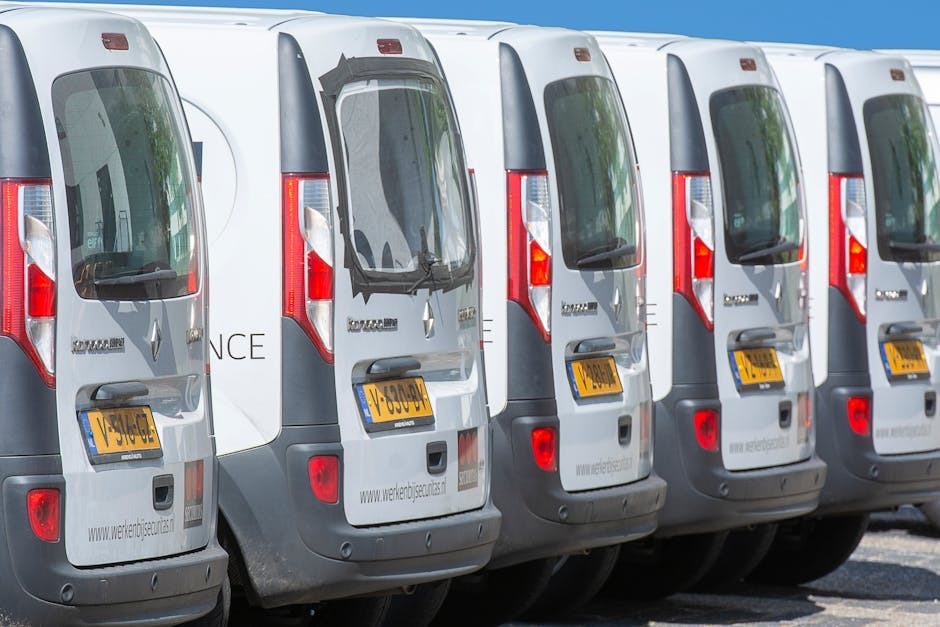 صورة توضيحية: Avoiding Common Pitfalls in AI-Driven Fleet Management
المصدر: Dev.to AI
صورة توضيحية: Avoiding Common Pitfalls in AI-Driven Fleet Management
المصدر: Dev.to AI
الذكاء الاصطناعي الوكيل هو نموذج يتم فيه تمكين الوكلاء المستقلين من اتخاذ قرارات في الوقت الفعلي بناءً على أهداف محددة مسبقاً وبيانات بيئية دون تدخل بشري مستمر. في سياق إدارة الأساطيل، يعني هذا أنظمة لا تكتفي بتنبيه المدير بوجود تأخير، بل تقوم بشكل استباقي بإعادة توجيه الأسطول بالكامل للتعويض عن إغلاق مفاجئ لجسر أو حدث جوي.
متطلبات النجاح
قبل البدء في التنفيذ، تأكد من أن مؤسستك تلبي معايير عام 2026 التالية:
- تكنولوجيا اتصالات عالية الدقة (Telematics): يجب أن تكون مركباتك مجهزة بمستشعرات إنترنت الأشياء (IoT) القادرة على نقل تشخيصات المحرك في الوقت الفعلي، ومستويات الوقود، وبيانات سلوك السائق.
- مخزن بيانات موحد (Data Lake): مستودع مركزي يتم فيه تخزين بيانات الاتصالات والطقس وحركة المرور وبيانات التسليم التاريخية.
- البنية التحتية السحابية: الوصول إلى موارد حوسبة قابلة للتوسع لتشغيل خوارزميات التحسين المعقدة.
- التزام أصحاب المصلحة: التزام من الإدارة العليا والسائقين على حد سواء بالثقة في الرؤى المستمدة من البيانات.
الخطوة 1: إنشاء البنية التحتية للبيانات
أساس أي نظام ذكاء اصطناعي هو البيانات. في عام 2026، نركز على "جودة البيانات قبل كميتها". يجب عليك التأكد من تنظيف تدفقات البيانات وتوحيدها في الوقت الفعلي. يتضمن ذلك إعداد خطوط أنابيب يمكنها التعامل مع السرعة العالية لبيانات الاتصالات. في Ailigent، نوصي باستخدام حوسبة الحافة (Edge Computing) على المركبات لمعالجة بيانات القياس الأساسية محلياً، مما يقلل من تكاليف النطاق الترددي.
الخطوة 2: اختيار أدوات الذكاء الاصطناعي المناسبة
ليست كل حلول الذكاء الاصطناعي متساوية. في عام 2026، السوق مشبع بالمنصات التي تدعي أنها "مدعومة بالذكاء الاصطناعي". لاتخاذ خيار مستنير، يجب عليك تقييم الأدوات بناءً على قدرات التكامل والمشكلات المحددة التي تحلها.
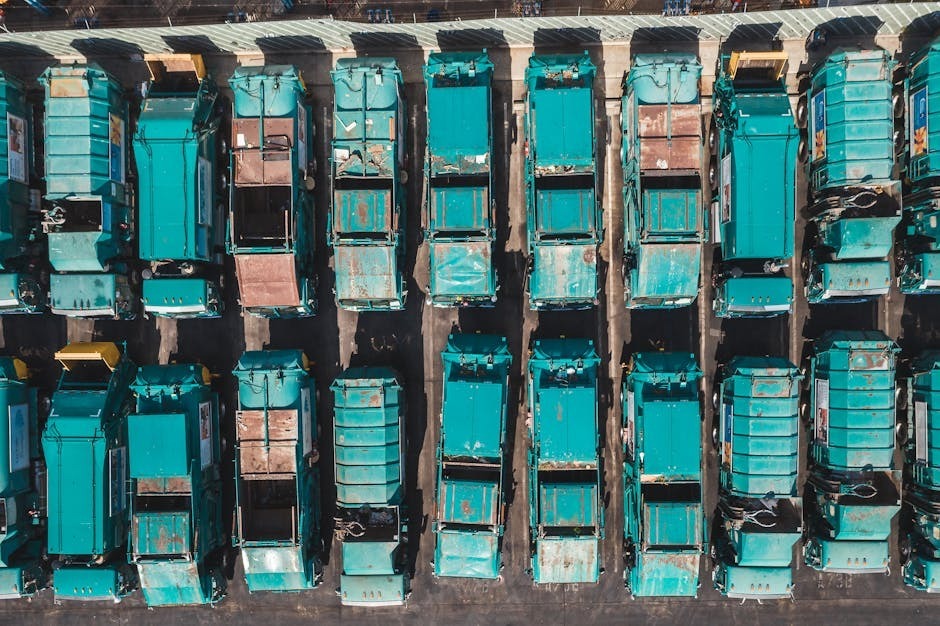 صورة توضيحية: Comparing AI Tools for Fleet Management: What Works Best?
المصدر: Dev.to AI
صورة توضيحية: Comparing AI Tools for Fleet Management: What Works Best?
المصدر: Dev.to AI
| نوع الأداة | الوظيفة الأساسية | الأنسب لـ | الميزة الرئيسية في 2026 |
|---|---|---|---|
| محسنات المسار | تقليل المسافة والوقت | توصيل الميل الأخير | التنبؤ بحركة المرور المحلية |
| الصيانة التنبؤية | التنبؤ بالأعطال الميكانيكية | اللوجستيات طويلة المدى | دمج التوأم الرقمي |
| ذكاء سلامة السائق | مراقبة التعب والسلوك | النقل عالي المخاطر | التدخل الفوري في الكابينة |
| إدارة الوقود | تحسين الاستهلاك | جميع الأساطيل | تتبع البصمة الكربونية |
الخطوة 3: تنفيذ الصيانة التنبؤية
الصيانة التنبؤية هي استراتيجية استباقية تستخدم تحليل البيانات لتحديد أعطال المعدات المحتملة قبل حدوثها، مما يسمح بجدولة الإصلاحات فقط عند الضرورة. هذا يقلل من وقت التوقف ويزيد من عمر المركبة بنسبة تتراوح بين 15-20%.
لتنفيذ ذلك، يمكنك استخدام منطق مشابه لهذا الكود البرمجي القائم على Python لمراقبة درجة حرارة المحرك وضغط الزيت:
# مثال: وكيل تنبيه الصيانة البسيط
def maintenance_check(telemetry_data):
    thresholds = {
        'engine_temp': 210, # فهرنهايت
        'oil_pressure_min': 25, # PSI
    }

    if telemetry_data['temp'] > thresholds['engine_temp']:
        return "حرج: مطلوب فحص نظام التبريد فوراً."
    if telemetry_data['oil_p'] < thresholds['oil_pressure_min']:
        return "تحذير: جدولة فحص مضخة الزيت خلال 48 ساعة."

    return "الحالة: مثالية"
في سيناريو واقعي لعام 2026، تكون هذه العتبات ديناميكية، حيث يقوم الذكاء الاصطناعي بتعديلها بناءً على عمر المركبة وحمولتها ودرجة الحرارة المحيطة.
الخطوة 4: تحسين المسار والحمولة ديناميكياً
لقد انتهى عصر المسارات الثابتة. في عام 2026، تستخدم إدارة الأساطيل "الإرسال الديناميكي". يتضمن ذلك قيام الذكاء الاصطناعي بإعادة حساب المسار الأكثر كفاءة باستمرار كل 60 ثانية بناءً على حركة المرور الحية ووزن المركبة وحتى مستوى تعب السائق الحالي. وفقاً لتقارير الصناعة لعام 2026، شهدت الشركات التي تستخدم التوجيه الديناميكي انخفاضاً بنسبة 22% في تكاليف الوقود.
الخطوة 5: تجنب الأخطاء الشائعة
تفشل العديد من المؤسسات لأنها تتعامل مع الذكاء الاصطناعي كحل "جاهز للتشغيل". أحد الأخطاء الشائعة هو مشكلة "الصندوق الأسود"، حيث لا يفهم المديرون سبب تقديم الذكاء الاصطناعي لتوصيات معينة. لتجنب ذلك، أعط الأولوية لميزات "الذكاء الاصطناعي القابل للتفسير" (XAI).
خطأ آخر هو عزل البيانات. إذا كانت أداة الذكاء الاصطناعي الخاصة بك لا تتواصل مع نظام ERP الخاص بك، فإنك تفقد 40% من القيمة المحتملة. التكامل هو شريان الحياة لأتمتة الذكاء الاصطناعي في عام 2026. غالباً ما يؤكد أبوالمكارم شهود أن أفضل تنفيذ للذكاء الاصطناعي هو الذي يبدو غير مرئي لأنه يتكامل بسلاسة مع سير العمل الحالي.
استكشاف الأخطاء وإصلاحها
- المشكلة: السائقون يتجاهلون توصيات الذكاء الاصطناعي.
- الحل: قم بتنفيذ حلقة تغذية راجعة. إذا تجاوز السائق مساراً مقترحاً، يجب أن يسأل الذكاء الاصطناعي عن السبب ويتعلم من ذلك.
- المشكلة: معدل مرتفع من "التنبيهات الخاطئة" في الصيانة.
- الحل: أعد معايرة خط الأساس للمستشعرات. قد تتطلب العوامل البيئية في عام 2026، مثل موجات الحر الشديدة، تعديلات موسمية لنماذجك.
الخلاصة: نقاط العمل الرئيسية
- ابدأ بنظافة البيانات: الذكاء الاصطناعي جيد بقدر جودة بيانات الاتصالات التي تغذيه.
- أعط الأولوية للتكامل: تأكد من اتصال أداة الأسطول بأنظمة CRM و ERP و HR.
- ركز على القابلية للتفسير: اختر الأدوات التي تشرح "لماذا" اتخذت قراراتها لبناء الثقة.
- تبنَّ التغيير الديناميكي: في عام 2026، الأساطيل الأكثر نجاحاً هي تلك التي يمكنها التحول في الوقت الفعلي بناءً على رؤى الذكاء الاصطناعي.
فيديوهات ذات صلة
AI in Logistics: Smarter Routes, Fleet Maintenance & Warehouse Automation
القناة: AI Buzz
New Fleet Tech: 360° AI Dashcams, LTL Invoice Automation, & Retrofit ADAS
القناة: Commercial Carrier Journal