تحديث بروتوكول سياق النموذج (MCP) لعام 2026: التعامل مع التغييرات الجذرية وتوسيع نطاق أتمتة الذكاء الاصطناعي

بقلم أبوالمكارم شهود | Ailigent
مقدمة: حالة أتمتة الذكاء الاصطناعي في أواخر عام 2026
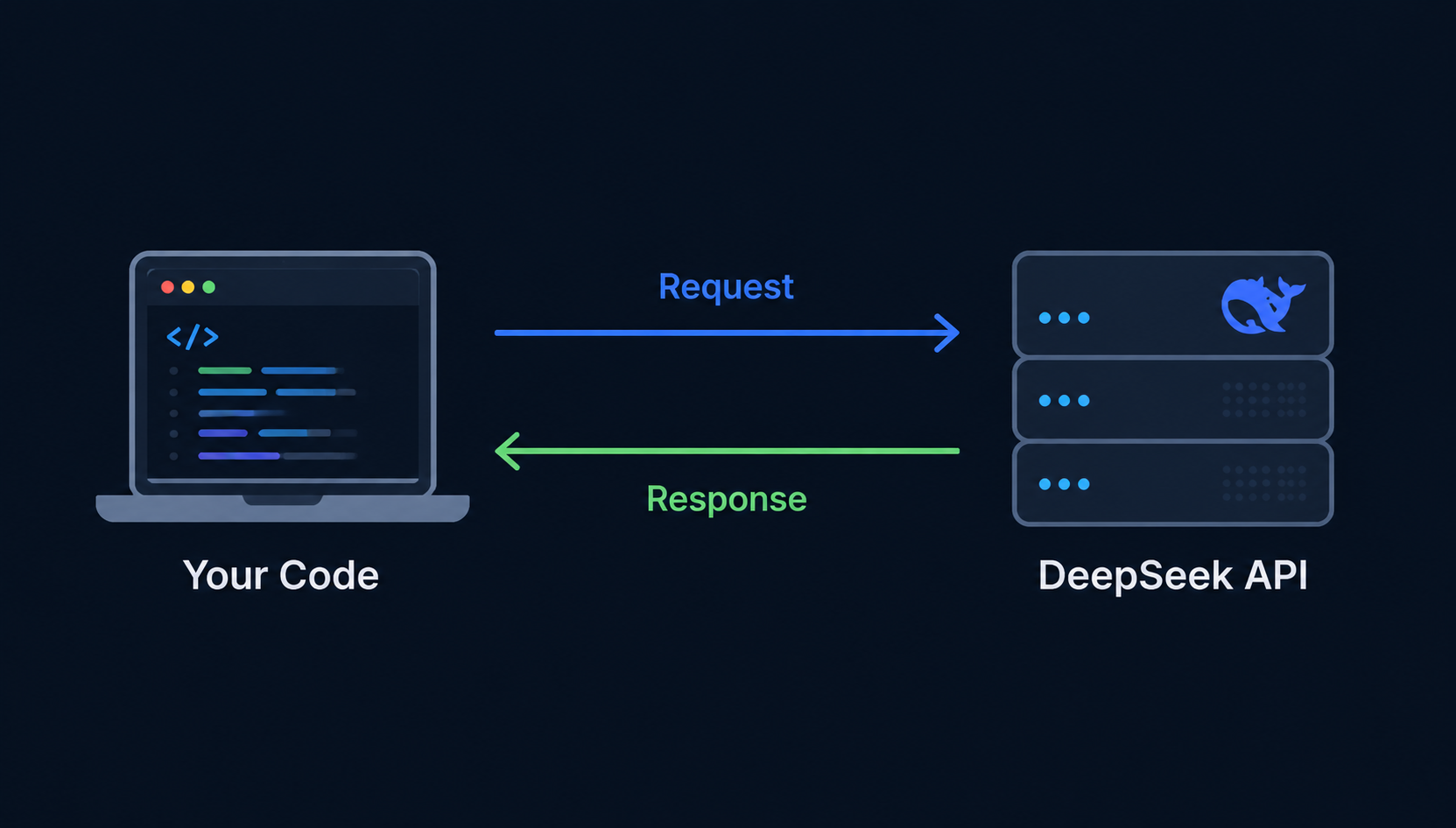 صورة توضيحية: How to Use DeepSeek's API: A Working Python Example From My First Side Project
المصدر: Dev.to AI
صورة توضيحية: How to Use DeepSeek's API: A Working Python Example From My First Side Project
المصدر: Dev.to AI
بينما نتنقل في الأرباع الأخيرة من عام 2026، تحول مشهد أتمتة الذكاء الاصطناعي من مجرد فضول تجريبي إلى معايير صناعية صارمة. لقد ولت الأيام التي كان فيها مجرد "ربط" نموذج لغوي كبير (LLM) والأمل في الأفضل كافياً. اليوم، يتم تعريف النجاح من خلال الامتثال للبروتوكولات، وكفاءة التكلفة، والقدرة على التعامل مع تنسيقات البيانات المتخصصة بدقة.
لقد حدد حدثان رئيسيان خارطة الطريق التقنية لهذا العام: الإصلاح الشامل لـ بروتوكول سياق النموذج (MCP) وصعود بدائل عالية الأداء ومنخفضة التكلفة مثل DeepSeek. بالنسبة لأصحاب الأعمال والمتخصصين في التكنولوجيا، فإن فهم هذه التحولات ليس مجرد مواكبة للتطور، بل هو ضمان لعدم تعطل أنظمتك الآلية تحت وطأة المعايير المتطورة. في Ailigent، رأينا أن الفرق بين مشروع ذكاء اصطناعي تجريبي فاشل ونظام إنتاج قابل للتوسع غالباً ما يكمن في كيفية إدارة هذه البروتوكولات الأساسية.
بروتوكول سياق النموذج (MCP) تحديث 28-07-2026: تحول جذري
في 28 يوليو 2026، شهد مجتمع الذكاء الاصطناعي أهم تحديث لبروتوكول سياق النموذج منذ إنشائه. لم يكن هذا مجرد تصحيح بسيط؛ بل كان إعادة هيكلة أساسية لكيفية تفاعل وكلاء الذكاء الاصطناعي مع الخوادم.
بروتوكول سياق النموذج (MCP) هو طبقة اتصال موحدة تسمح لنماذج الذكاء الاصطناعي بالتفاعل بأمان وكفاءة مع الأدوات ومصادر البيانات الخارجية.
في المراجعة الصادرة في 28-07-2026، قدم البروتوكول 20 تغييراً جذرياً أجبرت المطورين على إعادة التفكير في بنيتهم التحتية. التغيير الأكثر إثارة للقلق؟ اختفت الجلسات (Sessions) والمصافحة التقليدية (Initialize handshake) رسمياً. علاوة على ذلك، لم يعد بإمكان الخوادم بدء الطلبات على الإطلاق. تهدف هذه الخطوة نحو بنية مدفوعة بالكامل من قبل العميل إلى تعزيز الأمان والقدرة على التنبؤ في سير عمل الوكلاء، ولكنها تتطلب مراجعة فورية لخوادم MCP الحالية.
بالنسبة للشركات، هذا يعني أن أي أدوات داخلية تم بناؤها على إصدارات أوائل 2025 أو أوائل 2026 من MCP ستحتاج في النهاية إلى الهجرة. بينما لن تتعطل الخوادم الحالية على الفور - بفضل دعم التوافق مع الإصدارات السابقة في عملاء مثل Claude - فإن فوائد الأداء للبنية الجديدة عديمة الحالة (Stateless) كبيرة جداً بحيث لا يمكن تجاهلها. يسمح الانتقال إلى مراجعة 28-07-2026 ببدايات أسرع واستهلاك أقل للذاكرة لوكلاء الذكاء الاصطناعي الذين يعملون على نطاق واسع.
إتقان واجهة برمجة تطبيقات DeepSeek: دروس في كفاءة التكلفة
بينما تتطور معايير البروتوكول، يظل اختيار النموذج الأساسي قراراً تجارياً حاسماً. في عام 2026، برز DeepSeek كمنافس قوي للعمالقة الراسخين، حيث قدم توازناً بين القدرة والتكلفة يصعب التغلب عليه للمهام ذات الحجم الكبير مثل تلخيص المستندات وتحليل الأبحاث.
DeepSeek هو مزود نماذج لغوية كبيرة عالي الأداء ومنخفض التكلفة أصبح ركيزة أساسية للمطورين الذين يبنون مشاريع جانبية قابلة للتوسع ونصوصاً برمجية للمؤسسات في عام 2026.
ومع ذلك، حتى أفضل الأدوات لها منحنى تعلم. أبلغ العديد من المطورين هذا العام عن احتكاك أولي، مثل خطأ '401 Unauthorized' الشهير. غالباً ما تنبع هذه المشكلات من سوء فهم لكيفية توقع واجهة برمجة التطبيقات (API) لتنسيق الرؤوس (Headers) أو كيفية قراءة متغيرات البيئة بواسطة نصوص Python البرمجية. يتضمن الإصلاح الشائع التأكد من أن مفتاح API ليس موجوداً فحسب، بل تم تعيينه بشكل صحيح لرأس Authorization مع بادئة Bearer - وهي تفصيلة صغيرة يمكن أن توفر ساعات من استكشاف الأخطاء وإصلاحها.
في Ailigent، نوصي بـ DeepSeek للمهام التي تتطلب إنتاجية عالية بدون السعر المرتفع. على سبيل المثال، يعد بناء نص برمجي لتلخيص مئات الأوراق البحثية إلى ملاحظات دراسية حالة استخدام مثالية. فهو يسمح للشركات بالاستفادة من ذكاء النماذج اللغوية الكبيرة لإدارة المعرفة الداخلية دون استنزاف الميزانية السنوية.
 صورة توضيحية: MCP 2026-07-28: 20 Breaking Changes and the Errors They Cause
المصدر: Dev.to AI
صورة توضيحية: MCP 2026-07-28: 20 Breaking Changes and the Errors They Cause
المصدر: Dev.to AI
البيانات المتخصصة: ما وراء روبوتات الدردشة
أحد الجوانب الأكثر إهمالاً في أتمتة الذكاء الاصطناعي في عام 2026 هو كيفية تعاملنا مع البيانات غير النصية. توفر المبادئ المستخدمة في التصوير الطبي درساً بليغاً لأي صناعة تتعامل مع بيانات معقدة. سواء كنت تحلل صور الأقمار الصناعية للخدمات اللوجستية أو الفحوصات الطبية للرعاية الصحية، فإن مرحلة المعالجة المسبقة هي المكان الذي تُحسم فيه المعركة.
في ذكاء اصطناعي التصوير الطبي، لا يرى النموذج أبداً صورة 'خام'. بل يرى بنية بيانات تمت معايرتها والتحقق من صحتها وتصنيفها. المعايرة (Normalization) هي عملية ضبط القيم داخل مجموعة بيانات إلى مقياس مشترك دون تشويه الاختلافات في نطاقات القيم. هذا أمر بالغ الأهمية لأن النموذج المدرب على مجموعة واحدة من أجهزة الاستشعار قد يفشل في مجموعة أخرى إذا لم يتم توحيد البيانات.
بالنسبة لصاحب العمل الحديث، الدرس واضح: ذكاؤك الاصطناعي جيد بقدر جودة خط أنابيب البيانات الخاص بك. قبل أن 'يرى' نموذج الذكاء الاصطناعي بيانات عملك، يجب أن تمر بعملية تحقق صارمة. هذا يمنع سيناريوهات 'المدخلات الرديئة تؤدي لمخرجات رديئة' ويضمن أن نتائج الأتمتة قابلة للتنفيذ وموثوقة.
مقارنة بين معايير MCP القديمة والجديدة (تحديث 2026)
| الميزة | MCP قبل يوليو 2026 | MCP بعد يوليو 2026 (مراجعة 28-07-2026) |
|---|---|---|
| المصافحة | مطلوبة (Initialize) | تمت إزالتها (Stateless) |
| الجلسات | ثابتة الحالة | بدون جلسات |
| طلبات الخادم | مسموح بها (ثنائية الاتجاه) | بدء الطلبات من العميل فقط |
| التعقيد | مرتفع (إدارة الحالة) | منخفض (اتصال مبسط) |
| الأمان | متوسط | مرتفع (تقليل سطح الهجوم) |
| القابلية للتوسع | محدودة بذاكرة الجلسة | عالية (مثالية للحوسبة السحابية) |
لماذا يهم هذا لاستراتيجية عملك؟
لقد دافع أبوالمكارم شهود باستمرار عن نهج 'البروتوكول أولاً' للذكاء الاصطناعي. ومع تعمقنا في عام 2026، فإن تقارب بروتوكول سياق النموذج الجديد وواجهات برمجة التطبيقات ميسورة التكلفة مثل DeepSeek يخلق فرصة فريدة. يمكن للشركات الآن بناء أنظمة 'ذكاء اصطناعي وكيل' (Agentic AI) - وهي وكلاء مستقلون لا يتحدثون فحسب، بل يتصرفون - بموثوقية أعلى وتكاليف أقل من أي وقت مضى.
الذكاء الاصطناعي الوكيل (Agentic AI) هو نموذج يُمنح فيه لنماذج الذكاء الاصطناعي القدرة على استخدام الأدوات، وتصفح الويب، وتنفيذ الأكواد لتحقيق هدف رفيع المستوى بشكل مستقل.
من خلال اعتماد أحدث معايير MCP، تضمن أن وكلائك يمكنهم التواصل مع أي أداة متوافقة في النظام البيئي. وباستخدام DeepSeek، تحافظ على تكاليف التشغيل تحت السيطرة. ومن خلال تطبيق المعالجة المسبقة الصارمة، تضمن دقة النتائج.
الطريق إلى الأمام: توقعات عام 2027
بالنظر إلى المستقبل، نتوقع أن يصبح بروتوكول سياق النموذج هو 'HTTP الخاص بالذكاء الاصطناعي'. تماماً كما احتاجت الويب إلى بروتوكول قياسي لتزدهر، يحتاج وكلاء الذكاء الاصطناعي إلى MCP للتفاعل عبر المنصات المختلفة. نتوقع أنه بحلول أوائل عام 2027، ستقدم كل برمجيات المؤسسات كخدمة (SaaS) تقريباً واجهة متوافقة مع MCP، مما يسمح لك بربط وكلاء الذكاء الاصطناعي المخصصين بك مباشرة في مجموعتك التقنية الحالية.
علاوة على ذلك، ستستمر 'سلعنة الذكاء'. مع استمرار نماذج مثل DeepSeek في خفض الأسعار، ستنتقل القيمة من النموذج نفسه إلى سير العمل و تكامل البيانات - وهي المجالات التي تتخصص فيها Ailigent.
أهم النقاط المستفادة
- حدث بروتوكولاتك: إذا كنت تقوم بتشغيل خوادم MCP، فقم بمراجعتها وفقاً لتحديث 28-07-2026. إزالة الجلسات والطلبات التي يبدأها الخادم هو تحول رئيسي يتطلب تحديثات برمجية.
- تحسين التكاليف: لا تختر النموذج الأغلى بشكل افتراضي. لأتمتة العمليات الداخلية ومعالجة البيانات، يوفر DeepSeek عائداً ممتازاً على الاستثمار، بشرط التعامل مع تكامل واجهة برمجة التطبيقات بشكل صحيح.
- إعطاء الأولوية للمعالجة المسبقة للبيانات: سواء كانت نصوصاً أو صوراً، تأكد من معايرة بياناتك والتحقق من صحتها قبل أن تصل إلى نموذج الذكاء الاصطناعي لتجنب الأخطاء المكلفة.
- فكر بعقلية الوكيل: تجاوز مجرد روبوتات الدردشة البسيطة. استخدم معايير MCP الجديدة لبناء وكلاء يمكنهم التفاعل مع أدوات عملك لأداء مهام معقدة متعددة الخطوات.
الخلاصة
مشهد الذكاء الاصطناعي في عام 2026 هو مشهد نضج وتقنين. من خلال إتقان بروتوكول سياق النموذج والاستفادة من واجهات برمجة التطبيقات الفعالة مثل DeepSeek، يمكنك بناء أتمتة ليست قوية فحسب، بل مستدامة وآمنة أيضاً. في Ailigent، وبقيادة أبوالمكارم شهود، نحن ملتزمون بمساعدتك في التنقل في هذه المياه التقنية للعثور على القيمة التجارية الحقيقية في الذكاء الاصطناعي.
فيديوهات ذات صلة
Install DeepSeek in VS Code in 30 Seconds #ai #coding
القناة: Benji Pham
AI Agent vs Agentic AI — What’s the Difference?
القناة: Analytics Vidhya