مفارقة التكنولوجيا في 2026: التنقل بين حروب أسعار الذكاء الاصطناعي، هشاشة السحابة، وآفاق الأمن الجديدة

بقلم أبوالمكارم شهود | Ailigent
بينما نتنقل في الربع الثالث من عام 2026، يشهد قطاع التكنولوجيا تقارباً غريباً في الاتجاهات. من ناحية، نشهد ديمقراطية الذكاء من خلال حرب أسعار شرسة بين عمالقة الذكاء الاصطناعي. ومن ناحية أخرى، يتم تذكيرنا بالهشاشة المادية والرقمية لبنيتنا التحتية - وهو ما يتضح من خلال حالات 'تجاهل' غير مسبوقة لخدمات السحابة وثغرات حرجة في أنظمة تشغيل كان يُعتقد أنها آمنة. بالنسبة لقادة الأعمال والمتخصصين في الأتمتة، هذه الأحداث ليست معزولة؛ إنها تمثل ملف المخاطر والمكافآت الجديد في أواخر عشرينيات القرن الحالي.
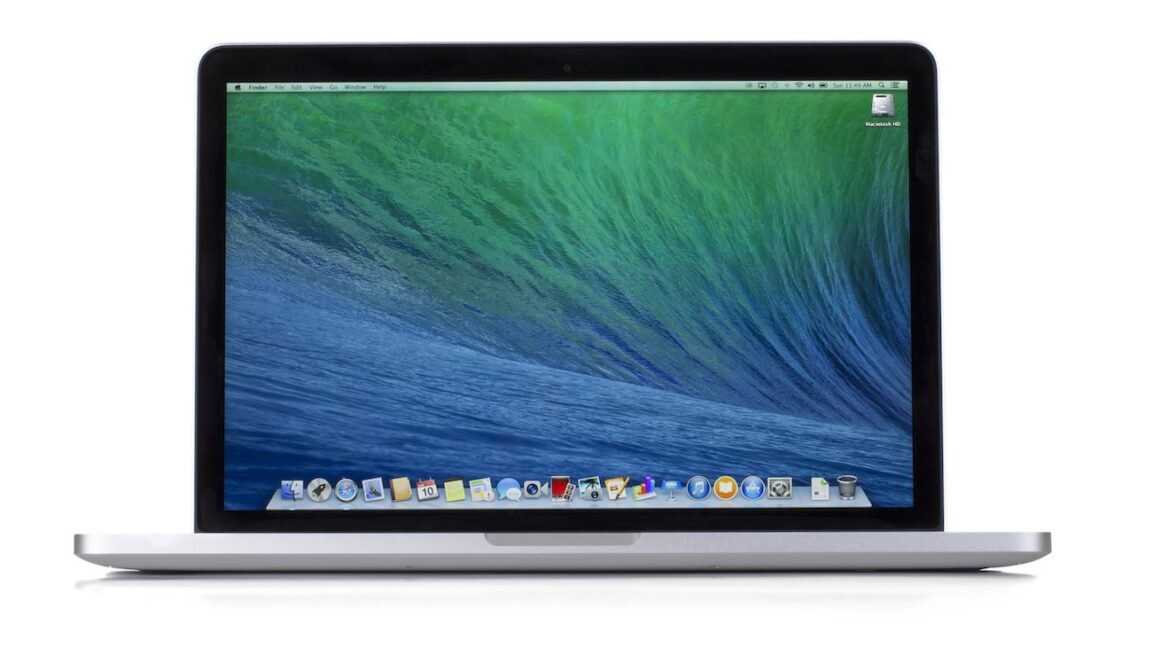 صورة توضيحية: Vulnerability giving attackers full control of Macs is under active exploitation
المصدر: Ars Technica AI
صورة توضيحية: Vulnerability giving attackers full control of Macs is under active exploitation
المصدر: Ars Technica AI
السباق نحو القاع: الجيوسياسة في تسعير الذكاء الاصطناعي
في أغسطس 2026، وصلت معركة الهيمنة على سوق نماذج اللغة الكبيرة (LLM) إلى ذروتها. دخلت شركتا OpenAI وAnthropic، وهما عملاقا صناعة الذكاء الاصطناعي في الولايات المتحدة، في حرب أسعار مستمرة. هذا ليس مجرد اشتباك بين الشركات؛ إنه رد فعل استراتيجي على النفوذ المتزايد للمنافسين الصينيين الذين بدأوا في تقديم نماذج عالية الأداء بجزء بسيط من تكلفة GPT-5 أو Claude 4.
بالنسبة للشركات، يعد هذا عصراً ذهبياً للتنفيذ. الذكاء الاصطناعي الوكيل (Agentic AI) هو نموذج يتم فيه تصميم أنظمة الذكاء الاصطناعي لمتابعة الأهداف بشكل مستقل وأداء مهام متعددة الخطوات بحد أدنى من التدخل البشري. مع انخفاض تكلفة الرموز (Tokens) بنسبة تقارب 70% مقارنة بالعام الماضي، تلاشت فعلياً الحواجز أمام نشر آلاف الوكلاء المستقلين عبر المؤسسات.
في Ailigent، بقيادة أبوالمكارم شهود، لاحظنا أن الشركات التي تركز فقط على أرخص النماذج غالباً ما تهمل 'ديون التكامل' التي تراكمها. بينما تقوم OpenAI وAnthropic بخفض الأسعار، فإنهما تقيدان المستخدمين أيضاً داخل أنظمتهما. الخطوة الاستراتيجية لعام 2026 هي الحفاظ على بنية تحتية محايدة للنماذج يمكنها تبديل المزودين مع تطور حرب الأسعار.
شبح في السحابة: دروس من أزمة PBS وIron Mountain
بينما يصبح الذكاء الاصطناعي أرخص، يثبت التخزين المادي للبيانات أنه نقطة فشل مفاجئة. الأخبار الأخيرة عن احتمال فقدان محطة PBS لـ 50 تيرابايت من البيانات لأن مزود السحابة الخاص بهم، Iron Mountain، 'تجاهلهم' تماماً هي جرس إنذار للصناعة بأكملها. عندما يدعي المزود أنه 'لا يملك الوصول' إلى الأجهزة التي يُدفع له مقابل إدارتها، تتحطم صورة السحابة ككيان دائم وأثيري.
 صورة توضيحية: PBS station fears losing 50TB of data after being ghosted by cloud storage provider
المصدر: Ars Technica AI
صورة توضيحية: PBS station fears losing 50TB of data after being ghosted by cloud storage provider
المصدر: Ars Technica AI
تسلط هذه الحادثة الضوء على خلل فني حرج في العديد من استراتيجيات التحول الرقمي لعام 2026: الاعتماد المفرط على الخدمات المدارة من مزود واحد.
| الميزة | السحابة العامة (المدارة) | السحابة الخاصة / في الموقع | الاستراتيجية الهجينة (موصى بها 2026) |
|---|---|---|---|
| الصيانة | منخفضة (يديرها المزود) | عالية (فريق داخلي) | متوسطة |
| التحكم في البيانات | منخفض (يخضع للمزود) | مطلق | عالي (نسخ احتياطية متعددة) |
| القابلية للتوسع | فورية | محدودة بالأجهزة | متوازنة |
| ملف المخاطر | إفلاس المزود/التجاهل | ضرر مادي/سرقة | مخاطر موزعة |
في عام 2026، التوصية واضحة: يجب أن تكون سيادة البيانات أولوية. سيادة البيانات (Data Sovereignty) هي إطار قانوني وتقني يضمن خضوع البيانات للقوانين والحوكمة في الهياكل التي توجد وتدار فيها مادياً. يجب على الشركات الانتقال نحو استراتيجية نسخ احتياطي 3-2-1 تتضمن نسخة مادية واحدة على الأقل خارج السحابة للأصول الحيوية.
جبهة الأمن: أجهزة Mac تحت الاستغلال النشط
لا يزال الأمن السيبراني يمثل التهديد الأكبر للمؤسسات القائمة على الأتمتة. إن اكتشاف ثغرة في مشاركة الشاشة في نظام macOS تتيح للمهاجمين عن بُعد السيطرة الكاملة بدون كلمة مرور هو تذكير صارخ بأنه لا توجد منصة محصنة. في عصر أصبح فيه العمل عن بُعد هو المعيار، وحيث يستخدم المديرون التنفيذيون غالباً أجهزة Mac نظراً لأمانها المتصور، فإن هذا الاستغلال خطير بشكل خاص.
لم يعد المهاجمون يبحثون فقط عن البيانات؛ إنهم يبحثون عن 'التحكم في الحوسبة'. من خلال الوصول إلى محطة عمل عالية المستوى، يمكن للمهاجم اختطاف وكلاء الذكاء الاصطناعي الذين يعملون على هذا الجهاز، مما قد يؤدي إلى إعادة توجيه المعاملات المالية أو تسريب بيانات البحث والتطوير الحساسة.
تُستغل هذه الثغرة بنشاط اعتباراً من أغسطس 2026. بالنسبة للمؤسسات، هذا يعني أن 'الأمن من خلال الغموض' - فكرة أن أجهزة Mac أكثر أماناً لأنها أقل استهدافاً - قد ماتت رسمياً. لم تعد إدارة التصحيحات الآلية وبنية الثقة الصفرية (ZTA) اختيارية. بنية الثقة الصفرية (Zero Trust Architecture) هي نموذج أمني يتطلب من جميع المستخدمين، سواء داخل شبكة المؤسسة أو خارجها، أن يتم توثيقهم وتفويضهم والتحقق من صحة هويتهم باستمرار قبل منحهم الوصول إلى التطبيقات والبيانات.
توصيات استراتيجية لما تبقى من عام 2026
- تنويع مزودي الذكاء الاصطناعي: لا تربط كامل عمليات الأتمتة بنموذج لغة واحد. استغل حرب الأسعار الحالية لاختبار الأداء عبر OpenAI وAnthropic والبدائل مفتوحة المصدر.
- تدقيق اتفاقيات مستوى الخدمة (SLAs): في ضوء حادثة Iron Mountain، راجع عقودك. تأكد من وجود بنود واضحة تتعلق باسترداد البيانات في حالة إفلاس المزود أو إنهاء الخدمة.
- أمن النقاط النهائية المشدد: مع ثغرة Mac الحالية، فرض التحديثات الفورية وتطبيق المصادقة متعددة العوامل (MFA) على مستوى نظام التشغيل للوصول عن بُعد.
- الاستثمار في الذكاء الاصطناعي المحلي: مع انخفاض تكاليف الحوسبة، فكر في تشغيل نماذج أصغر ومتخصصة على أجهزة محلية لمعالجة البيانات الحساسة لتجنب المخاطر المرتبطة بالسحابة.
الوجبات الرئيسية
- الذكاء الاصطناعي أصبح سلعة: حرب الأسعار تجعل 2026 أفضل عام لنشر الأتمتة على نطاق واسع، ولكن ركز على 'التنسيق' بدلاً من النموذج فقط.
- السحابة ليست ضماناً: تثبت أزمة PBS/Iron Mountain أن التخزين المدار يتطلب استراتيجية نسخ احتياطي مادي؛ لا تثق أبداً بمزود واحد بنسبة 100% من بياناتك.
- الأمن لا يعترف بالمنصات: الاستغلال النشط لثغرات macOS يسلط الضوء على الحاجة إلى نهج الثقة الصفرية بغض النظر عن نظام التشغيل.
- المرونة الاستراتيجية: يعتمد النجاح في أواخر 2026 على القدرة على التنقل بين نماذج الذكاء الاصطناعي ومزودي التخزين دون توقف العمليات.
الخلاصة: الفائزون في عام 2026 سيكونون أولئك الذين يستفيدون من التكاليف المنخفضة للذكاء الاصطناعي بينما يبنون في الوقت نفسه بنى تحتية مرنة وآمنة لا تعتمد على 'حسن نية' عملاق تكنولوجي واحد.