The AI Pivot of 2026: Navigating the New Frontier of Finance, Ethics, and Global Competition

The AI Pivot of 2026: Navigating the New Frontier of Finance, Ethics, and Global Competition
Welcome to January 2026. If the last two years were defined by the frantic adoption of Generative AI, 2026 is shaping up to be the year of structural maturity. We are no longer just asking what AI can do; we are actively legislating what it must do and observing how it fundamentally rewires entire industries like finance.
 Illustration
Source: Dev.to AI
Illustration
Source: Dev.to AI
In this week’s roundup, we analyze three pivotal shifts: the total transformation of the lending lifecycle, the tightening grip of AI law, and the shifting geopolitical energy in tech innovation following CES 2026.
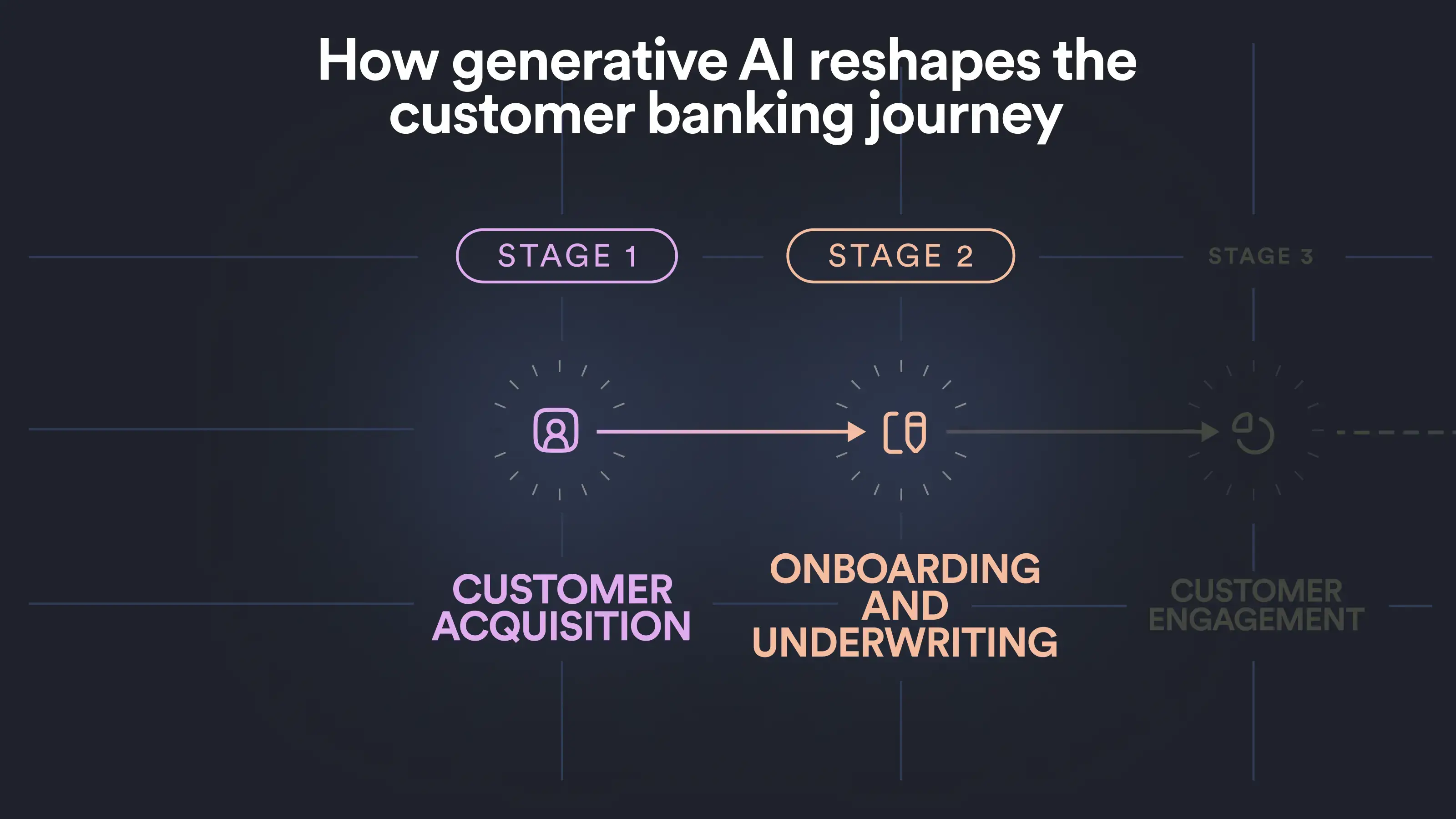
1. The Death of Rule-Based Lending: AI’s End-to-End Takeover
For decades, the lending industry relied on static, rule-based models. If a borrower didn't fit a specific FICO score or didn't have a traditional employment history, they were often rejected. In 2026, that manual, siloed approach is officially obsolete.
AI is now redefining the end-to-end lending lifecycle. This isn't just about a chatbot answering customer queries; it’s about a deep integration into risk assessment and portfolio management. By utilizing machine learning algorithms that process non-traditional data—such as utility payments, cash flow patterns, and even behavioral signals—lenders are now able to provide credit to the "underbanked" while actually reducing default rates.
Why This Matters for Your Business:
Whether you are in fintech or a traditional enterprise, the lesson is clear: Data silos are the enemy of efficiency. In 2026, successful lenders are integrating AI across five key pillars:
- Customer Acquisition: Hyper-personalized loan offers based on real-time financial health.
- Risk Assessment: Dynamic scoring that updates as market conditions change.
- Loan Processing: Automating document verification to reduce closing times from weeks to minutes.
- Portfolio Management: Predictive analytics that flag potential defaults months before they happen.
- Compliance: AI-driven monitoring that ensures every loan meets the latest 2026 regulatory standards.
2. The Legal Guardrails: When Innovation Meets Accountability
As AI tools become more powerful, the potential for misuse grows. A major headline this month comes from the UK, where new legislation has officially criminalized the creation of nonconsensual deepfake images. This move was accelerated by the controversies surrounding unregulated outputs from chatbots like Grok.
 Illustration
Source: The Verge AI
Illustration
Source: The Verge AI
The UK Data Act, which moved into full enforcement this year, marks a significant shift in AI governance. It is no longer just the person distributing harmful content who is liable; in many cases, the platforms and the creators of the tools must answer for the safeguards they failed to implement.
Business Implications for 2026:
If your company is developing or deploying generative AI models, "compliance-by-design" is your new mandatory framework. You cannot afford to wait for a lawsuit to audit your AI’s safety protocols.
Actionable Insight: Conduct a "safety audit" of any third-party AI APIs your business uses. Ensure your vendors have robust content filtering and are compliant with international standards like the UK Data Act and the EU AI Act.
3. CES 2026: The Global Shift in Tech Optimism
The Consumer Electronics Show (CES) 2026 just concluded, and the atmosphere was notably different from years past. While Western tech firms are currently grappling with heavy regulation and market saturation, Chinese tech companies are exhibiting an unprecedented level of optimism and speed.
From advanced robotics to integrated AI hardware that works seamlessly across home and office environments, the innovation coming out of the East is focused on hardware-software synergy. These companies are moving from "fast followers" to "pioneers," leveraging 2026’s supply chain efficiencies and aggressive AI R&D.
For tech professionals in the West, this is a wake-up call. The competitive landscape is no longer just about who has the best LLM (Large Language Model), but who can embed that intelligence into physical products the most effectively.
Strategic Takeaways for Business Leaders in 2026
To stay ahead in this rapidly evolving landscape, consider these three actionable steps:
- Audit Your Legacy Systems: If your core business processes (like lending or procurement) still rely on 2024-era static rules, you are losing money to more agile, AI-driven competitors. Start a pilot program to integrate predictive analytics into one core department this quarter.
- Prioritize Ethical AI Resilience: Assign a Chief AI Ethics Officer or a dedicated task force to monitor global AI legislation. The UK’s move against deepfakes is just the beginning; expect similar laws regarding AI-generated commercial content and intellectual property by mid-2026.
- Look Globally for Partnerships: Don't limit your tech stack to Silicon Valley. Explore the hardware-AI integrations emerging from the Asian market to see if they offer a more cost-effective or innovative solution for your operational needs.
Conclusion: 2026 is the year where AI stops being a "feature" and becomes the "foundation." Whether it’s through more inclusive financial models or stricter ethical frameworks, the goal remains the same: using technology to build a more efficient, secure, and profitable future.
How is your business adapting to the new AI regulations of 2026? Let’s discuss in the comments below.
Related Videos
🔥 What is Generative AI ? | Generative AI Explained #Shorts #simplilearn
Channel: Simplilearn