The Era of Unified Intelligence: Navigating the 2026 AI Landscape

The Era of Unified Intelligence: Navigating the 2026 AI Landscape
As we move into February 2026, the artificial intelligence landscape has matured far beyond the experimental phase we witnessed in previous years. We are no longer asking "if" AI can do something; instead, the focus has shifted toward how AI can be vertically integrated into the very fabric of our physical and digital infrastructure.
 Illustration
Source: Dev.to AI
Illustration
Source: Dev.to AI
This week, three major developments highlight this shift: the unprecedented merger of SpaceX and xAI, the evolution of specialized image generation for developers via Z-image Base, and a strategic pivot in enterprise AI design focusing on measurable outcomes. For business owners and tech professionals, these aren't just headlines—they are a roadmap for navigating the remainder of 2026.
1. The Super-Innovation Engine: Analyzing the SpaceX-xAI-X Merger
Elon Musk’s recent announcement regarding the merger of SpaceX, xAI, and X (formerly Twitter) marks the birth of what he calls a "vertically-integrated innovation engine." This is perhaps the most significant structural shift in the tech industry so far in 2026.
The Business Impact: In the past, AI was often treated as a layer on top of existing services. By merging space-based internet (Starlink), real-time social data (X), and advanced LLMs (xAI) with physical engineering (SpaceX), we are seeing the creation of a feedback loop that exists both on and off the planet.
For tech professionals, the takeaway is clear: Data silos are the enemy of progress. The most successful AI implementations in 2026 will be those that connect disparate data sources—from logistics and hardware to real-time communication—into a single, unified intelligence layer.
2. Moving Beyond the Pilot: The New Standard for Enterprise AI
 Illustration
Source: The Verge AI
Illustration
Source: The Verge AI
One of the most sobering lessons of the last two years was that "generic AI" often fails to deliver business value. As highlighted by Mistral AI’s recent partnerships, the industry is moving toward "co-design." Companies are no longer satisfied with off-the-shelf wrappers; they want systems tailored to solve specific, complex problems like customer experience productivity or industrial optimization.
In 2026, a successful enterprise AI strategy starts with design, not deployment.
- Outcome-First Thinking: Instead of asking "How can we use LLMs?", leaders are asking "What specific bottleneck is costing us the most?"
- The End of the AI Pilot Wasteland: We are seeing a decline in experimental "lab projects" and a rise in production-ready systems that have KPIs attached to them from day one.
3. The Democratization of Visual Content with Z-image Base
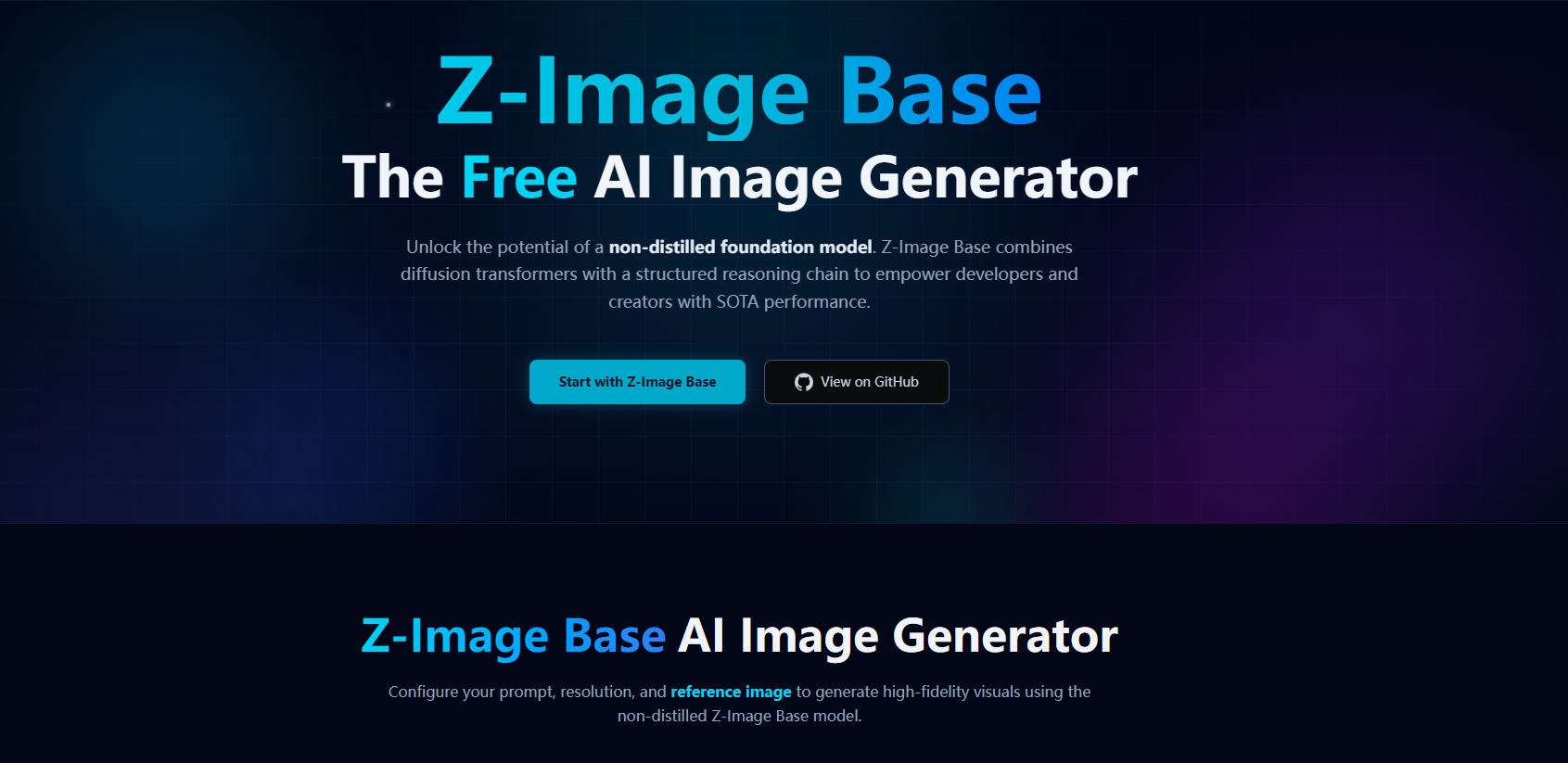
While the giants are merging, the tools for creators and developers are becoming more refined and accessible. Z-image Base represents a new wave of AI image generation that isn't just about "making pretty pictures"—it’s about workflow integration.
For developers in 2026, Z-image Base offers a programmable solution to content creation. Whether it's dynamic advertisements that change based on user data or social media assets generated in real-time, the barrier to high-quality visual production has effectively vanished. This allows smaller agencies and independent developers to compete with large creative firms by automating the visual heavy lifting.
Actionable Takeaways for Your 2026 Strategy
To stay competitive in this rapidly evolving environment, consider these three actionable steps:
- Audit Your Integration: Look at your current AI tools. Are they isolated chatbots, or are they connected to your core business data? Aim for "Vertical Integration" within your own niche.
- Define Measurable Outcomes: If you are planning an AI implementation this year, define success in terms of hours saved or revenue generated before you write a single line of code. Follow the Mistral AI model of co-designing for success.
- Leverage Specialized API Tools: Stop relying on general-purpose tools for specialized tasks. If your business requires visual content, explore platforms like Z-image Base that offer developer-friendly integration rather than just consumer interfaces.
Conclusion: The Path Forward
2026 is proving to be the year of Utility and Unity. The merger of SpaceX and xAI shows us the scale of what is possible when intelligence meets infrastructure. Meanwhile, the shift in enterprise strategy and the refinement of creative tools like Z-image Base show us that the real value of AI lies in its ability to solve specific problems and integrate into existing workflows.
As we navigate the rest of this year, the winners will not be those with the most AI tools, but those who build the most cohesive AI ecosystems.