تطور وكلاء الذكاء الاصطناعي الصوتيين: تحويل الرعاية الصحية وأتمتة المؤسسات في عام 2026

بقلم أبوالمكارم شهود | Ailigent
العصر الجديد للتفاعل بين الإنسان والآلة
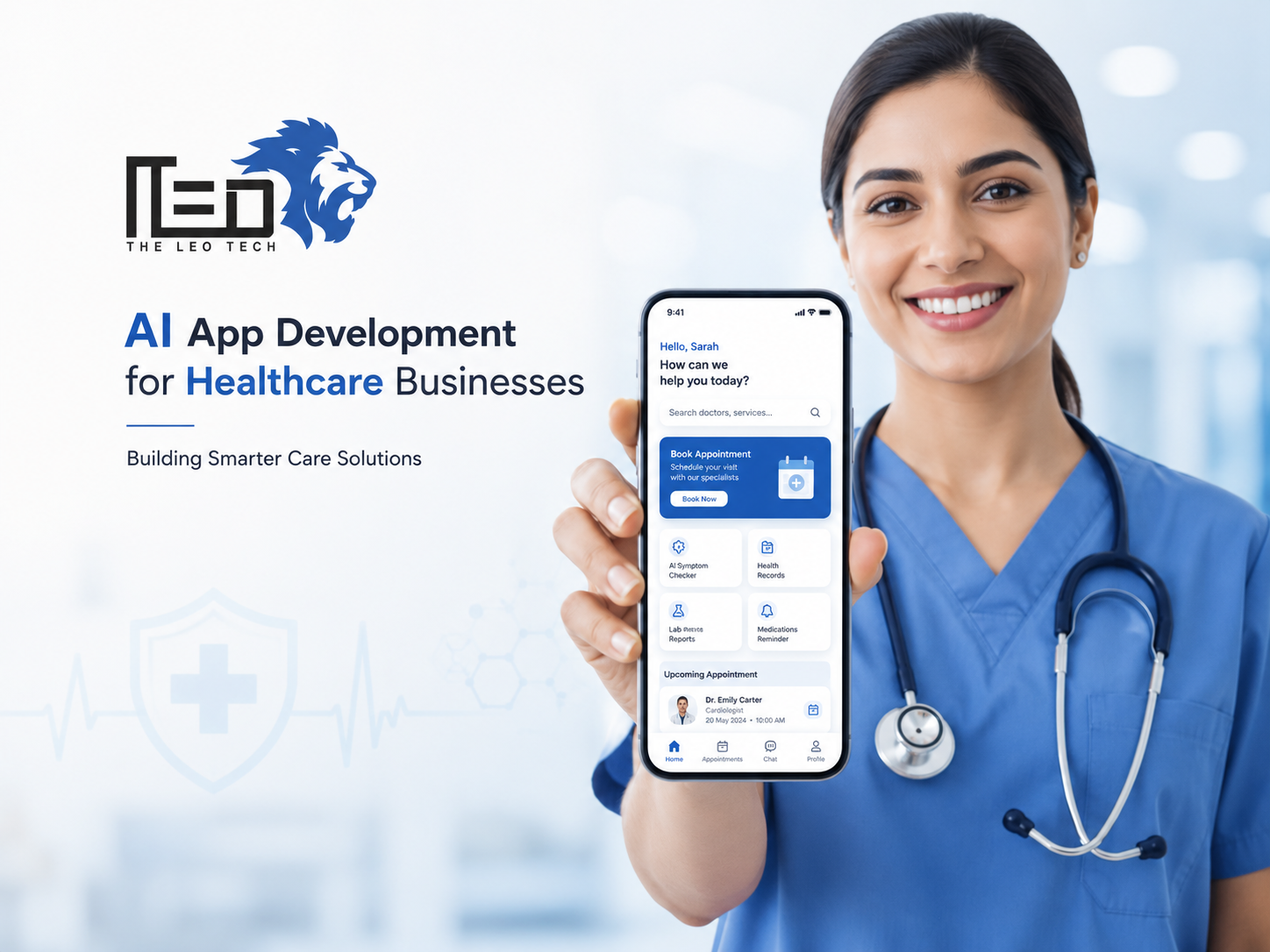 صورة توضيحية: AI App Development for Healthcare Businesses: Building Smarter Care Solutions
المصدر: Dev.to AI
صورة توضيحية: AI App Development for Healthcare Businesses: Building Smarter Care Solutions
المصدر: Dev.to AI
بينما نتنقل في منتصف عام 2026، شهد مشهد أتمتة الأعمال تحولاً جذرياً. لم نعد نناقش الإمكانات النظرية للنماذج اللغوية الكبيرة (LLMs)؛ بدلاً من ذلك، نحن نشهد عصر وكلاء الذكاء الاصطناعي الصوتي—وهي أنظمة مستقلة ومتطورة تجاوزت بكثير روبوتات الدردشة البدائية التي رأيناها في عام 2024. اليوم، تقوم الشركات بدمج هؤلاء الوكلاء في صميم عملياتها، من خدمة العملاء في الخطوط الأمامية إلى دعم التشخيص الطبي المعقد.
وكلاء الذكاء الاصطناعي الصوتي هم كيانات برمجية مستقلة قادرة على معالجة الكلام باللغة الطبيعية لأداء مهام معقدة، وفهم نية المستخدم، والتفاعل في الوقت الفعلي دون تدخل بشري. على عكس أنظمة الاستجابة الصوتية التفاعلية (IVR) الجامدة في الماضي، يمكن لوكلاء عام 2026 التعامل مع الفروق الدقيقة، والإشارات العاطفية، وتبديل السياق بسلاسة كانت ذات يوم حكراً على المشغلين البشريين.
لماذا يتصدر وكلاء الذكاء الاصطناعي الصوتي التريند في عام 2026
إن الطفرة في التبني التي نشهدها هذا العام مدفوعة بعاملين رئيسيين: نضج التفكير الوكيل (Agentic Reasoning) وسهولة الوصول إلى الاستدلال عالي السرعة ومنخفض التأخير. الذكاء الاصطناعي الوكيل هو نموذج يتم فيه تصميم أنظمة الذكاء الاصطناعي لتعمل كوكلاء مستقلين يمكنهم التخطيط واستخدام الأدوات وتنفيذ سير عمل متعدد الخطوات لتحقيق هدف محدد. وهذا يعني أن وكيل الصوت لا يجيب فقط على سؤال؛ بل يتحقق من قاعدة البيانات، ويحدث نظام إدارة علاقات العملاء (CRM)، ويحدد موعداً للمتابعة، ويرسل بريداً إلكترونياً للتأكيد—كل ذلك مع الحفاظ على محادثة طبيعية.
في Ailigent، لاحظنا أن الشركات التي تستثمر في حلول الرعاية الذكية هذه تشهد انخفاضاً بنسبة 40% في التكاليف التشغيلية مقارنة بتلك التي لا تزال تعتمد على الأنظمة القديمة. إن القدرة على التعامل مع آلاف المكالمات المتزامنة مع وقت انتظار صفر قد حولت "تجربة العملاء" من مركز تكلفة إلى ميزة تنافسية.
تطوير تطبيقات الذكاء الاصطناعي للرعاية الصحية: ما وراء المواعيد
أحد أعمق تطبيقات هذه التكنولوجيا هو قطاع الرعاية الصحية. لم يعد تطوير تطبيقات الرعاية الصحية بالذكاء الاصطناعي في عام 2026 يقتصر فقط على بوابات المرضى أو حجز المواعيد البسيط. بل يتعلق الأمر ببناء "حلول رعاية أذكى" تسد الفجوة بين البيانات السريرية ونتائج المرضى.
تستفيد تطبيقات الرعاية الصحية الحديثة الآن من وكلاء الصوت لإجراء الفحوصات الأولية ومتابعات ما بعد الجراحة. تخيل مريضاً يتعافى من الجراحة في المنزل؛ يمكن لوكيل الذكاء الاصطناعي الاتصال به، وتقييم مستويات الألم لديه من خلال تحليل الصوت (اكتشاف علامات الضيق أو التعب)، وتنبيه ممرضة بشرية تلقائياً إذا كانت المعايير خارج نطاق الأمان. كان هذا المستوى من الرعاية الاستباقية غير وارد قبل بضع سنوات فقط.
 صورة توضيحية: AI Voice Agent for Businesses
المصدر: Dev.to AI
صورة توضيحية: AI Voice Agent for Businesses
المصدر: Dev.to AI
الفوائد الرئيسية في الرعاية الصحية:
- التشخيص في الوقت الفعلي: يمكن لنماذج الذكاء الاصطناعي الآن تحليل المؤشرات الحيوية الصوتية للكشف عن العلامات المبكرة للمشاكل العصبية أو التنفسية.
- تخفيف الأعباء الإدارية: أتمتة عملية التوثيق تسمح للأطباء بالتركيز على المرضى بدلاً من الأوراق.
- إمكانية الوصول على مدار الساعة: يحصل المرضى في المناطق النائية على وصول فوري إلى المشورة الطبية وخدمات الفرز.
واقع البنية التحتية: التحرر من "فخ الحنين إلى هيروكو"
مع اندفاع الشركات لنشر هذه الحلول المتقدمة، ظهرت عقبة تقنية. يقع العديد من المطورين فيما يعرف بـ "فخ الحنين إلى هيروكو" (Heroku Nostalgia Trap). هذا الشعور يجعل المطورين يتوقون إلى بساطة منصات السحاب المبكرة التي سمحت بالنشر بنقرة واحدة. ومع ذلك، في عام 2026، فإن تعقيد أعباء عمل الذكاء الاصطناعي—التي تتطلب تنسيق GPU متخصص، وقواعد بيانات متجهة، وبثاً في الوقت الفعلي—يعني أن "النشر السهل" لم يعد كافياً.
لبناء وكيل صوتي قوي حقاً، يجب على الشركات التطلع إلى بنية تحتية تدعم المعالجة المتزامنة العالية والتأخير المنخفض. يتطلب توسيع تطبيق ذكاء اصطناعي في عام 2026 فهماً عميقاً للأنظمة الموزعة. في Ailigent، نؤكد أنه بينما يجب أن تكون الواجهة بسيطة للمستخدم، يجب أن تكون البنية التحتية مرنة ومصممة خصيصاً للذكاء الاصطناعي. الاعتماد على طرق النشر القديمة للذكاء الاصطناعي الوكيل الحديث يشبه محاولة تشغيل قطار فائق السرعة على قضبان خشبية.
مقارنة بين الأنظمة القديمة ووكلاء الذكاء الاصطناعي في 2026
| الميزة | أنظمة IVR القديمة (قبل 2024) | وكلاء الذكاء الاصطناعي الصوتي (2026) |
|---|---|---|
| الفهم | يعتمد على الكلمات المفتاحية / قوائم جامدة | اللغة الطبيعية والتعرف على النوايا |
| السياق | يُعاد ضبطه في كل جولة | يحافظ على الذاكرة والسياق طويل الأمد |
| القدرة على التنفيذ | مقتصرة على التوجيه الداخلي | يمكنه استخدام أدوات خارجية وAPIs وCRMs |
| جودة الصوت | آلي / مسجل مسبقاً | شبيه بالبشر، تركيب صوتي واعٍ عاطفياً |
| القابلية للتوسع | محدودة بالأجهزة/التراخيص | سحابي أصيل، قابل للتوسع بشكل لا نهائي |
قيمة الأعمال العملية: عائد الاستثمار من الأتمتة
بالنسبة لأصحاب الأعمال، تمتد قيمة وكلاء الذكاء الاصطناعي الصوتي إلى تأهيل العملاء المحتملين واستفسارات الطلبات. في عام 2026، يمكن لوكيل الذكاء الاصطناعي التعامل مع عميل محتمل وارد، وتأهيله بناءً على معايير عمل محددة، وحجز اجتماع مباشرة في تقويم ممثل المبيعات دون أي تدخل بشري. يضمن ذلك تخصيص المواهب البشرية لأنشطة الإغلاق عالية القيمة بدلاً من المهام الإدارية المتكررة.
علاوة على ذلك، يضمن دمج هؤلاء الوكلاء مع أنظمة CRM الحالية تسجيل كل تفاعل بدقة 100%. يسمح هذا النهج القائم على البيانات بتوقعات أكثر دقة واستراتيجيات تسويق مخصصة. لطالما دعا أبوالمكارم شهود إلى هذا النهج الشامل للذكاء الاصطناعي—حيث لا تكون التكنولوجيا مجرد إضافة، بل طبقة أساسية في بنية العمل.
توقعات مستقبلية: إلى أين يتجه هذا المسار؟
بينما نتطلع إلى عام 2027 وما بعده، فإن الحدود التالية لوكلاء الذكاء الاصطناعي الصوتي هي الذكاء متعدد الوسائط (Multimodal Intelligence). سنرى وكلاء لا يمكنهم السماع والتحدث فحسب، بل يمكنهم أيضاً "رؤية" الشاشات المشتركة أو بث الكاميرا لتقديم دعم سياقي أكبر. نتوقع أيضاً رؤية ارتفاع في "مساعدي الذكاء الاصطناعي الشخصيين" الذين يعملون كوسيط بين المستهلكين والشركات.
النقاط الرئيسية المستفادة
- الذكاء الاصطناعي الوكيل هو المعيار: تجاوز روبوتات الدردشة البسيطة؛ يتطلب عام 2026 وكلاء يمكنهم التخطيط وتنفيذ المهام بشكل مستقل.
- البنية التحتية تهم: تجنب فخ "النشر السهل". استثمر في بنية تحتية قوية ومحسنة للذكاء الاصطناعي لضمان أداء منخفض التأخير.
- الرعاية الصحية هي الواجهة: يحدث التأثير الاجتماعي والاقتصادي الأكبر للذكاء الاصطناعي حالياً في حلول الرعاية الصحية الأذكى.
- التصميم المتمحور حول الإنسان: استخدم الذكاء الاصطناعي للتعامل مع المهام الروتينية، مما يسمح للقوى العاملة البشرية بالتركيز على الإبداع والتعاطف.
الخلاصة: في عام 2026، لم يعد وكلاء الذكاء الاصطناعي الصوتي رفاهية لعمالقة التكنولوجيا. إنهم ضرورة أساسية لأي عمل يتطلع إلى البقاء تنافسياً في عالم مؤتمت بشكل متزايد. من خلال الشراكة مع خبراء مثل Ailigent، يمكن للشركات التنقل في هذا المشهد المعقد وبناء حلول تلقى صدى حقيقياً لدى عملائها.
فيديوهات ذات صلة
AI Agents, Clearly Explained
القناة: Jeff Su
Essential AI Skills For 2026
القناة: Tina Huang