The Rise of On-Device ML iOS: Transforming BTL Marketing Services and AI Security in 2026

By Abo-Elmakarem Shohoud | Ailigent
As we navigate the second quarter of 2026, the artificial intelligence landscape has matured beyond mere experimentation into a phase of deep integration and decentralization. The reliance on massive, power-hungry cloud clusters is beginning to wane as a new era of localized intelligence takes hold. Today, April 14, 2026, marks a pivotal moment where the digital and physical worlds collide through advanced mobile frameworks and boots-on-the-ground marketing strategies.
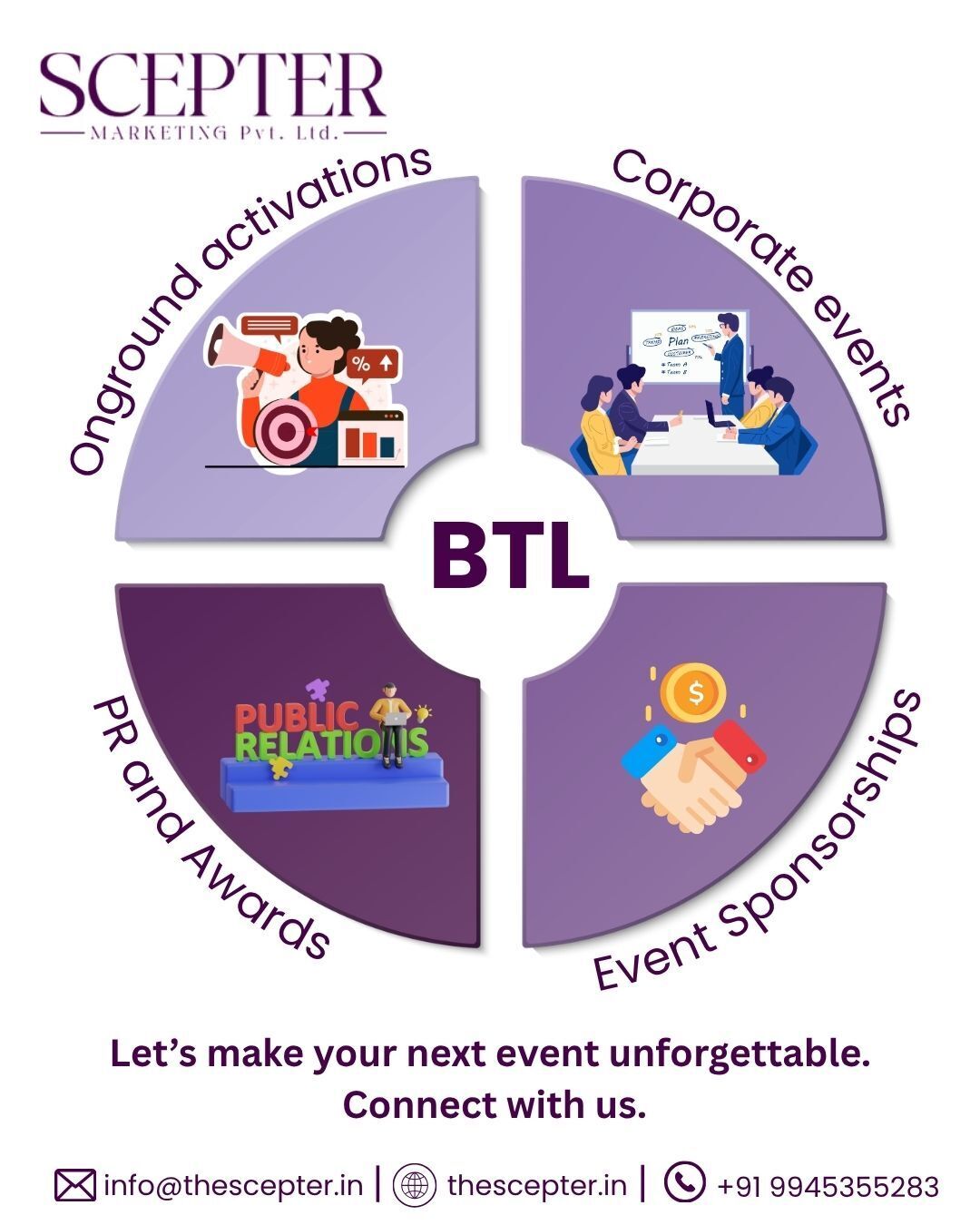 BTL Marketing Services for Brand Activation and Event Success
Source: Dev.to AI
BTL Marketing Services for Brand Activation and Event Success
Source: Dev.to AI
The Shift to Local: Why On-Device ML iOS Changes Everything
For years, developers and businesses were tethered to external APIs for any task involving natural language processing or complex reasoning. This created significant bottlenecks regarding latency, cost, and most importantly, data privacy. With the release of iOS 26, Apple has effectively turned over 2.8 billion devices into personal supercomputers capable of running sophisticated AI models locally.
On-Device ML is a paradigm where machine learning models are executed directly on the user's hardware (like a smartphone or tablet) rather than on a remote server. This shift, powered by the new Foundation Models framework, means that apps can now reason, generate text, and process multimodal inputs without a single packet of sensitive user data ever leaving the device. For business owners, this translates to zero server costs for AI inference and a massive leap in user trust.
At Ailigent, we have observed that companies adopting local-first AI strategies in 2026 are seeing a 40% increase in user retention compared to those still relying on cloud-heavy architectures. The ability to provide instantaneous feedback—such as real-time language translation or on-the-fly image editing—without the "loading" spinner of a cloud API is no longer a luxury; it is the industry standard.
Bridging the Gap: BTL Marketing Services in an AI-Driven World
The technological advancements in mobile AI are not just for software companies; they are revolutionizing how we handle physical brand engagement. BTL Marketing Services are strategies focused on direct, targeted communication and on-ground activations, such as events, roadshows, and point-of-sale displays.
In 2026, the most successful brand activations are those that combine the physical presence of BTL marketing with the personalized intelligence of On-Device ML. Imagine an event in Bangalore where a brand uses AR-powered kiosks that run local Foundation Models to provide personalized product recommendations based on a user's local interaction history, all while ensuring total privacy. Companies like Scepter are leading this charge, integrating high-touch PR and event sponsorship with high-tech execution.
 On-Device ML iOS: Why Apple's Foundation Models Change Everything
Source: Dev.to AI
On-Device ML iOS: Why Apple's Foundation Models Change Everything
Source: Dev.to AI
Comparison: Cloud AI vs. On-Device AI in 2026
| Feature | Cloud-Based AI (Legacy) | On-Device ML iOS (Current) |
|---|---|---|
| Latency | 500ms - 2000ms (Network dependent) | < 50ms (Instantaneous) |
| Data Privacy | High Risk (Server-side storage) | Maximum (Data stays on device) |
| Operational Cost | High (Per-token API fees) | Zero (Uses local hardware) |
| Offline Capability | None | Fully Functional |
| Scalability | Limited by API rate limits | Unlimited (Grows with user base) |
Security and the Centralization Risk: The Sam Altman Incident
While we celebrate the democratization of AI through local models, we must also acknowledge the physical and systemic risks associated with the centralization of AI power. On April 10, 2026, a federal case brought to light the vulnerability of even the most powerful tech figures. The attack on Sam Altman’s home and OpenAI’s headquarters by Daniel Moreno-Gama serves as a sobering reminder that as AI becomes more central to our lives, the security of the entities and individuals behind it becomes a matter of national and global concern.
This incident highlights a growing sentiment in 2026: the risk of "single points of failure." When all of a company's intelligence resides in a single cloud or is controlled by a single entity, it becomes a target for both digital and physical disruption. By moving toward On-Device ML, businesses are not only improving performance but also diversifying their risk. If a central server goes down or a headquarters is compromised, the local intelligence on millions of devices continues to function uninterrupted.
Practical Applications for Business Owners in 2026
As an expert in AI and automation, I, Abo-Elmakarem Shohoud, recommend that business owners look at their 2026 roadmap through the lens of "Local Intelligence, Physical Presence." Here is how you can apply these trends:
- Audit Your Data Pipeline: Identify which AI tasks currently sent to the cloud can be migrated to iOS 26 Foundation Models. This will reduce your overhead and satisfy the increasingly stringent data protection regulations in the MENA region and beyond.
- Enhance On-Ground Activations: If you are investing in BTL Marketing Services, ensure your event technology is not just a digital brochure. Use local ML to create interactive, privacy-first experiences that engage customers in real-time.
- Prioritize Hybrid Security: Follow the lead of major firms by securing both your digital assets and the physical safety of your key personnel. The OpenAI incident has shown that tech security is now a 360-degree challenge.
The Future of the Trend: Where We Are Headed
By the end of 2026, we expect the distinction between "online" and "offline" marketing to vanish entirely. "Agentic AI"—AI that can take actions on behalf of a user—will become the norm on mobile devices. Agentic AI is a paradigm where AI systems are given goals and the autonomy to use tools and software to achieve them.
We anticipate that by 2027, BTL marketing will rely almost exclusively on these local agents to negotiate deals, book event tickets, and manage personalized PR in real-time. The move from centralized cloud intelligence to distributed, on-device intelligence is not just a technical upgrade; it is a fundamental shift in the power dynamic of the internet, putting the control back into the hands of the user and the local business owner.
Bottom Line: Key Takeaways
- Adopt Local-First AI: Leverage iOS 26 Foundation Models to eliminate API costs and guarantee user privacy.
- Merge Tech with Physicality: Use BTL Marketing Services to ground your AI strategy in real-world human connection and brand activation.
- Diversify Risk: Move away from centralized AI dependencies to protect your business from both technical outages and physical security threats.
- Focus on Latency: In 2026, speed is the primary differentiator; on-device processing is the only way to achieve true real-time interaction.