صعود المتصفحات الوكيلية وأزمة عائد الاستثمار في الذكاء الاصطناعي لعام 2026: كيف نتجاوز مرحلة الضجيج؟

بقلم أبوالمكارم شهود | Ailigent
المعايرة الكبرى للذكاء الاصطناعي في عام 2026
 صورة توضيحية: Uber president says AI spending is getting ‘harder to justify’
المصدر: The Verge AI
صورة توضيحية: Uber president says AI spending is getting ‘harder to justify’
المصدر: The Verge AI
بينما نتجاوز منتصف عام 2026، اصطدمت النشوة الأولية المحيطة بالنماذج اللغوية الكبيرة بجدار كبير: واقع الميزانيات العمومية. لسنوات، ضخت الشركات المليارات في مبادرات "الذكاء الاصطناعي أولاً"، لكن الإعلان الأخير من شركة أوبر أحدث موجات من الصدمة في وادي السيليكون. فقد كشف أندرو ماكدونالد، رئيس ومدير العمليات في أوبر، مؤخراً أن الشركة استنفدت ميزانيتها السنوية الكاملة للذكاء الاصطناعي في غضون أربعة أشهر فقط من عام 2026. هذا ليس مجرد خطأ في التقدير؛ إنه تساؤل جوهري حول نموذج عائد الاستثمار في الذكاء الاصطناعي.
في قلب المشكلة يكمن الانفصال بين استهلاك التوكنات (Tokens) والقيمة التجارية الملموسة. لاحظت أوبر أنه بينما ارتفع استخدامها لأدوات مثل Claude Code بشكل صاروخي، فإن المكاسب المقابلة في إنتاجية المطورين أو الكفاءة التشغيلية لم تزدد بشكل طردي. تدفع أزمة عائد الاستثمار هذه نحو التحول من روبوتات الدردشة العامة إلى أبنية أكثر تخصصاً واستقلالية وكفاءة، وأبرزها المتصفح الوكيلي (Agentic Browser).
فهم المتصفح الوكيلي: الحدود التالية
المتصفح الوكيلي هو طبقة برمجية مدعومة بالذكاء الاصطناعي لا تكتفي بعرض محتوى الويب، بل تتفاعل معه بشكل مستقل لتحقيق هدف محدد للمستخدم. على عكس المتصفح التقليدي الذي يتطلب من الإنسان النقر والتمرير والكتابة، يعامل المتصفح الوكيلي الإنترنت بالكامل كواجهة قابلة للبرمجة.
في عام 2026، نشهد تحولاً حيث لم يعد المتصفح نافذة سلبية؛ بل أصبح موظفاً نشطاً. تخيل أنك تقول لمتصفحك: "ابحث عن أرخص ثلاث رحلات مباشرة إلى لندن ليوم الثلاثاء القادم، واحجز الرحلة التي توفر أفضل مساحة للساقين، وأضف خط الرحلة إلى تقويمي". في عام 2024، كان هذا يتطلب عشرات التبويبات وثلاثين دقيقة من العمل اليدوي. اليوم، ينفذ المتصفح الوكيلي ذلك في ثوانٍ من خلال فهم نموذج كائن المستند (DOM) الأساسي ومحاكاة إجراءات المستخدم بدقة.
لماذا تتصدر المتصفحات الوكيلية المشهد في 2026؟
يتسارع هذا الاتجاه لأنه يعالج فجوة الكفاءة. من خلال نقل الذكاء الاصطناعي إلى "طبقة العمل"—المتصفح حيث يتم إنجاز العمل فعلياً—يمكن للشركات تقليل عدد التوكنات المهدرة في المحادثات الدائرية والتركيز على التنفيذ. في Ailigent، لاحظنا أن الشركات التي تدمج سير العمل الوكيلي تشهد انخفاضاً بنسبة 40% في الوقت المستغرق لإتمام المهام مقارنة بتلك التي تستخدم المساعدين التقليديين القائمين على المطالبات.
معضلة الأمن: من التوقيعات إلى الأذونات
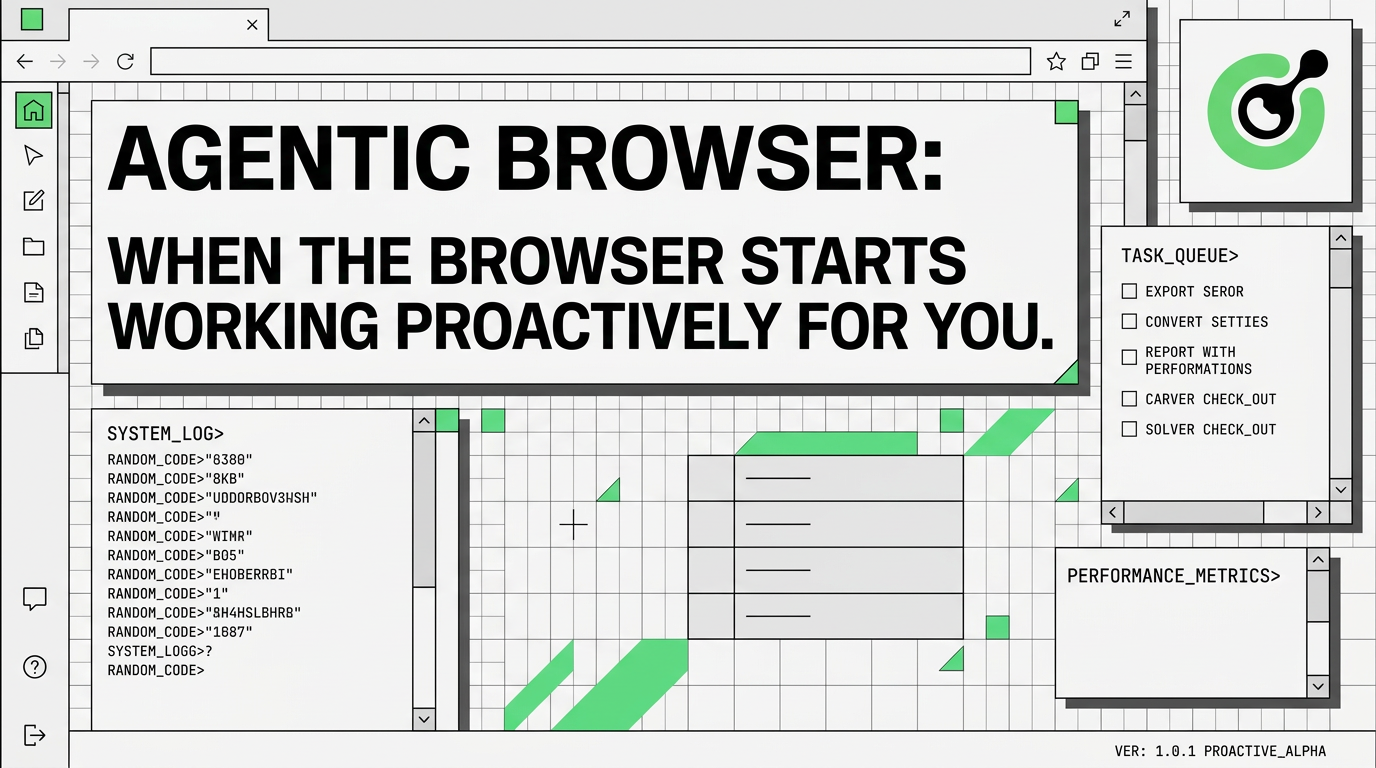 صورة توضيحية: What Is an Agentic Browser? How AI Browsers Work Proactively for Users
المصدر: Dev.to AI
صورة توضيحية: What Is an Agentic Browser? How AI Browsers Work Proactively for Users
المصدر: Dev.to AI
بينما نمكن الوكلاء المستقلين من التنقل في الويب، ظهرت جبهة أمنية جديدة. يسلط التحليل الأخير لأكثر من 2300 مهارة في ClawHub بواسطة Trent AI الضوء على تحول حاسم في كيفية حماية بنيتنا التحتية الرقمية. في الماضي، كان الأمن يتعلق بتحديد البرامج الضارة عبر التوقيعات الثابتة. أما في عالم الذكاء الاصطناعي الوكيلي، فإن التهديد ليس فيروساً، بل هو "مهارة مفرطة الصلاحيات".
المهارة (Skill) هي مجموعة معيارية من التعليمات والأذونات التي تسمح لوكيل الذكاء الاصطناعي بأداء مهمة محددة، مثل الوصول إلى نظام إدارة علاقات العملاء (CRM) أو تنفيذ عملية دفع. الخطر في عام 2026 لم يعد يتعلق فقط بالكود الخبيث؛ بل بكيفية "توصيل" هذه المهارات. إذا مُنحت مهارة مصممة لـ "تلخيص رسائل البريد الإلكتروني" الإذن بـ "حذف الملفات"، فإن المخاطر تكون هائلة.
مقارنة: الأتمتة التقليدية مقابل الذكاء الاصطناعي الوكيلي (معايير 2026)
| الميزة | الأتمتة التقليدية (RPA) | المتصفحات الوكيلية (2026) |
|---|---|---|
| المنطق | قائم على القواعد / هش | قائم على النية / متكيف |
| الواجهة | تتطلب APIs أو واجهة ثابتة | تتنقل في أي واجهة ويب |
| نموذج التكلفة | قائم على الترخيص | قائم على التوكنات (الاستخدام) |
| الأمن | جدار حماية وIAM | تحليل سلوكي قائم على الأذونات |
| الصيانة | عالية (تتعطل عند تغير الواجهة) | منخفضة (يتكيف الذكاء الاصطناعي) |
حل أزمة عائد الاستثمار: استراتيجيات عملية لأصحاب الأعمال
كما يؤكد أبوالمكارم شهود دائماً لشركائنا في Ailigent، لا ينبغي أبداً أن يكون هدف الذكاء الاصطناعي هو "المزيد من التوكنات". الهدف هو "المزيد من النتائج". لتجنب الفخ الذي وقعت فيه أوبر—حيث يتجاوز استهلاك التوكنات لأدوات مثل Claude Code القيمة المحققة—يجب على الشركات اعتماد استراتيجية ثلاثية المحاور:
- الميزانية القائمة على النتائج: توقف عن وضع ميزانية لـ "الوصول إلى الذكاء الاصطناعي" وابدأ في وضع ميزانية لـ "المهام المكتملة". إذا كان المتصفح الوكيلي يمكنه حجز رحلة مقابل 0.50 دولار من التوكنات، فهذا توفير ملموس مقارنة بموظف بشري يستغرق 20 دقيقة.
- عزل المهارات (Sandboxing): استخدم منصات مثل ClawHub ولكن طبق قيوداً سلوكية صارمة. قبل نشر وكيل مستقل، قم بمراجعة "توصيلاته" للتأكد من أنه لا يمكنه تجاوز نطاقه التشغيلي المقصود.
- العنصر البشري في الحلقة (HITL): بالنسبة للمهام عالية المخاطر، يجب أن يقوم المتصفح الوكيلي بالعمل الشاق ويقدم حالة "جاهز للتأكيد" للإنسان، مما يضمن المساءلة دون التضحية بالسرعة.
مستقبل العمل المستقل
بالنظر إلى نهاية عام 2026 وما بعده، يبدو الاتجاه واضحاً: "صندوق الدردشة" يحتضر، و"وكيل العمل" يولد. نحن نتحرك نحو عالم تختفي فيه الواجهة. من المرجح أن يصبح نظام التشغيل الخاص بك بيئة وكيلية واحدة كبيرة حيث يتلاشى التمييز بين موقع الويب والتطبيق ووكيل الذكاء الاصطناعي في تجربة واحدة سلسة.
ومع ذلك، فإن قصة أوبر التحذيرية تذكرنا بأن الحوسبة ليست غير محدودة، وأن الكفاءة هي العملة النهائية. الشركات التي ستنجح هي تلك التي تعامل الذكاء الاصطناعي ليس كعصا سحرية، بل كمحرك عالي الأداء يتطلب ضبطاً دقيقاً وإشرافاً أمنياً صارماً.
النقاط الرئيسية المستفادة
- الكفاءة قبل الحجم: تثبت أزمة عائد الاستثمار في 2026 أن الاستخدام العالي للتوكنات لا يعني قيمة عالية. ركز على تحسين الاستهلاك من خلال نماذج محددة الغرض.
- اعتماد المتصفحات الوكيلية: انتقل من مساعدي الذكاء الاصطناعي السلبيين إلى المتصفحات الوكيلية الاستباقية التي يمكنها تنفيذ مهام الويب متعددة الخطوات بشكل مستقل.
- دقق في مهاراتك: الأمن في 2026 يتعلق بالأذونات، وليس فقط التوقيعات. راجع بانتظام "توصيلات" وكلاء الذكاء الاصطناعي لديك.
- الأولوية للتنفيذ: استخدم إطار عمل Ailigent لسد الفجوة بين إمكانات الذكاء الاصطناعي ونتائج الأعمال الملموسة.
الخلاصة
لقد انتهى عصر "الذكاء الاصطناعي من أجل الذكاء الاصطناعي". بينما نتنقل في تعقيدات عام 2026، سيكون الفائزون هم أولئك الذين يسخرون قوة المتصفحات الوكيلية والمهارات المستقلة الآمنة لدفع نمو حقيقي وملموس مع التركيز الصارم على عائد الاستثمار.